



Georgian Cookware
Georgian cookware brings heavy copper, bronze and brass into the kitchen, offering solid vessels made for open hearths and early ranges.
Georgian Cookware
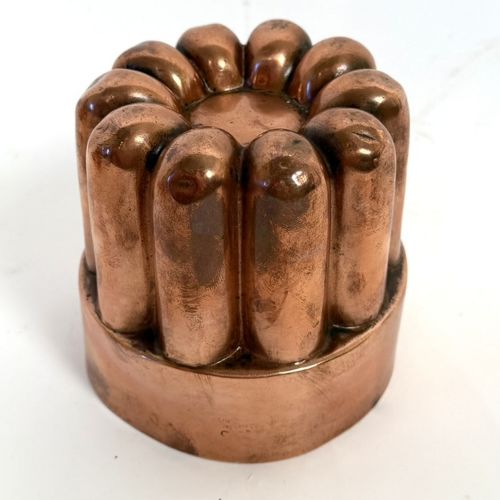
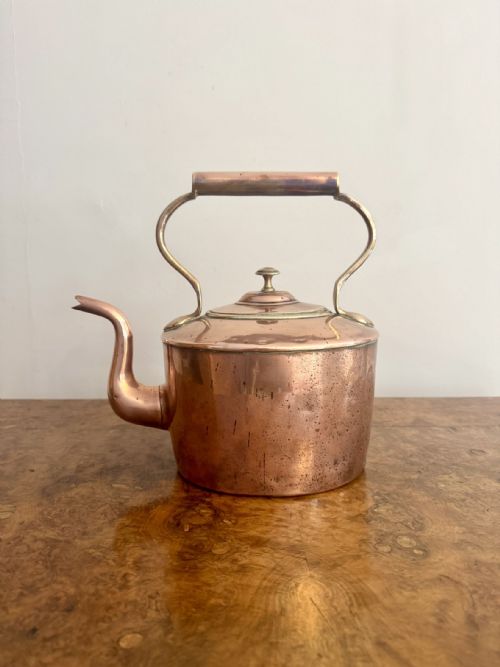
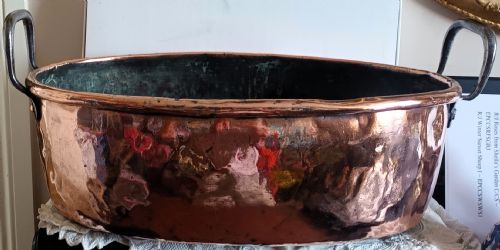
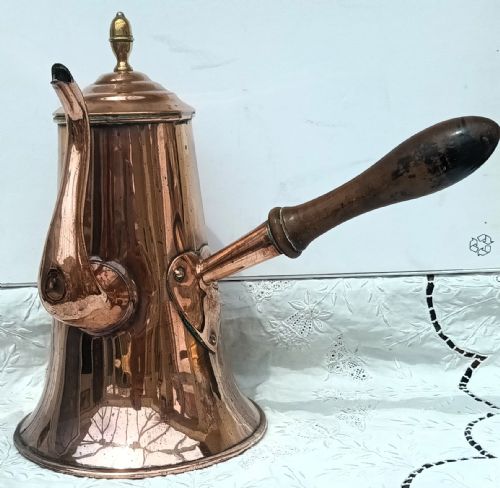
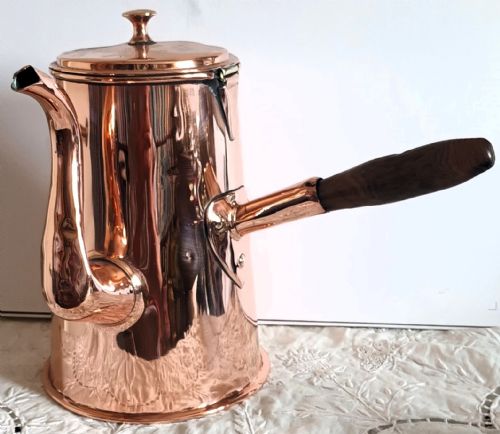
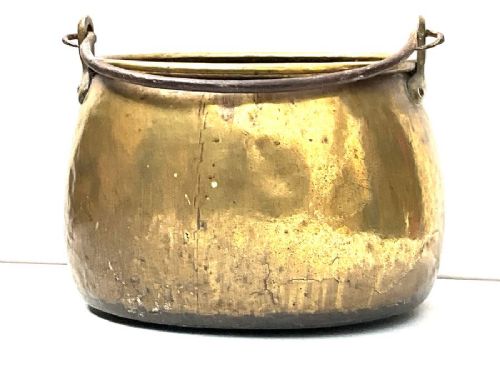
When buyers search for georgian cookware, they encounter robust domestic vessels made for period kitchens, ranging from heavy saucepans and kettles to coffee pots and skillets. These pieces date from the eighteenth and early nineteenth centuries, spanning the Georgian, George III and Regency eras.
Most items originate from English workshops and bear the practical forms required by cooks of the period. While many survive as individual saucepans or kettles, matched sets also appear alongside display pieces intended for hearthside decoration.
Assessing quality and craftsmanship
Wall thickness and weight separate utilitarian vessels from finer kitchenware, as heavier copper and bronze demand greater metallurgical skill. Superior pieces show careful hand hammering and smooth, even shaping rather than crude assembly.
Maker marks and stamps indicate workshop origin and raise the standing of individual pieces. Well preserved interior linings and original handles maintain the integrity of the object.
Georgian Cookware Retail Price Guide 2026
Typical asking prices for georgian cookware among the pieces listed under this phrase on Sellingantiques today, from the lower quarter to the upper quarter. They describe what is for sale here now, not the wider market.
Duck roasting pans designed for open hearths remind us that Georgian kitchens tackled poultry with specialised heavy metal.
William Soutter & Sons·Liptons·Matthew Linwood
The Georgian Cookware Glossary
- Skillet
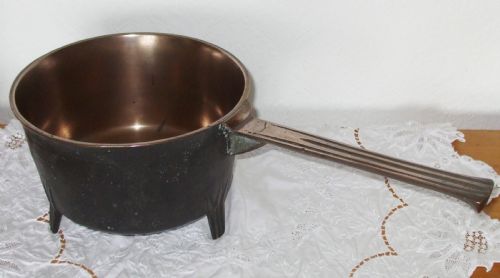
- A metal cooking pot fitted with a long handle and short legs for standing among coals. These vessels date back centuries and served various boiling and frying tasks.
- Posnet
- A small metal pot with feet and a single handle, used for warming liquids or simmering sauces over a hearth. They are typically cast in bronze or brass.
- Cream setting pan
- A wide, shallow vessel used in dairies to let cream rise to the top of milk before skimming. These pieces are commonly formed from heavy sheet copper.
- Brandy warmer
- A small vessel with a pouring lip and long handle used for heating spirits. They reflect the specialised nature of period domestic equipment.
- George III
- The period of British history spanning from 1760 to 1820, encompassing much of the domestic metalwork seen in these listings. Furniture and metal goods from this era share distinct stylistic restraint.
Georgian Cookware: Frequently Asked Questions
Are these pots suitable for modern cookers?
Many copper saucepans and kettles can be adapted for modern gas or electric hobs, though heavy rounded bases require proper contact to heat evenly.
Buyers often use them as decorative display items in contemporary kitchens rather than subjecting antique metal to daily cooking routines.
How do I clean antique copper?
Gentle cleaning with traditional metal polishes removes tarnish without scratching the soft copper surface. Avoid harsh abrasives that wear away the original hand hammered texture.
Leaving a natural patina untouched is preferred by many collectors who value the aged appearance of early kitchenware.
What is the difference between a posnet and a skillet?
A posnet typically refers to a small pot on three legs with a single straight handle, designed specifically for liquid foods and sauces.
Skillets share similar tripod forms and long handles but often served broader cooking purposes over open hearth embers.
How can I tell George III copper from later pieces?
George III pieces display distinct construction methods, including hand dovetailed seams, heavy cast bronze handles and thick hammered walls.
Later Victorian manufacturing shifted towards machine rolled sheets and standardised factory production with lighter gauges of metal.