
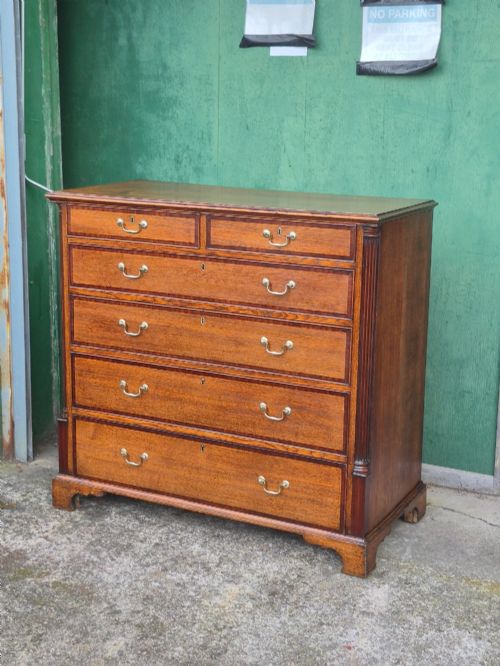
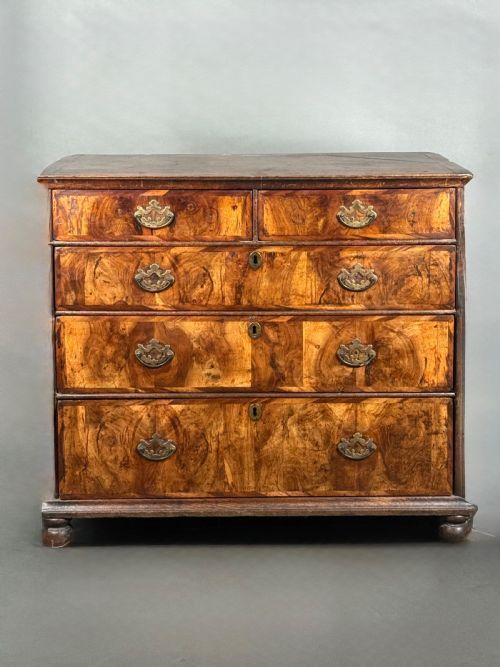
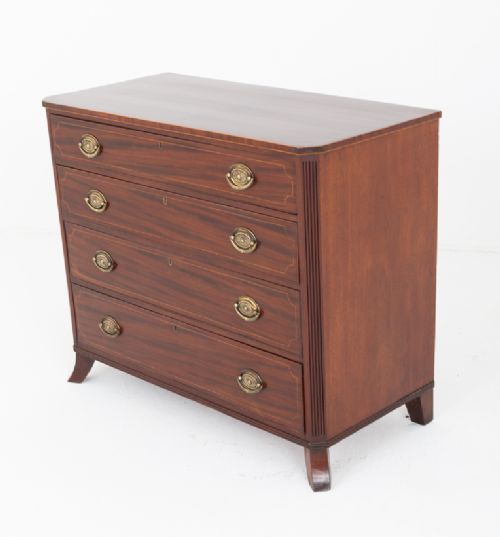
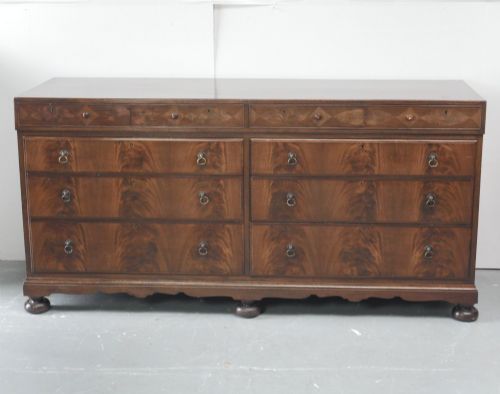
Georgian Commode Dresser
A georgian commode dresser offers robust storage and fine timber work, making it a practical centrepiece for any traditional bedroom or hall.
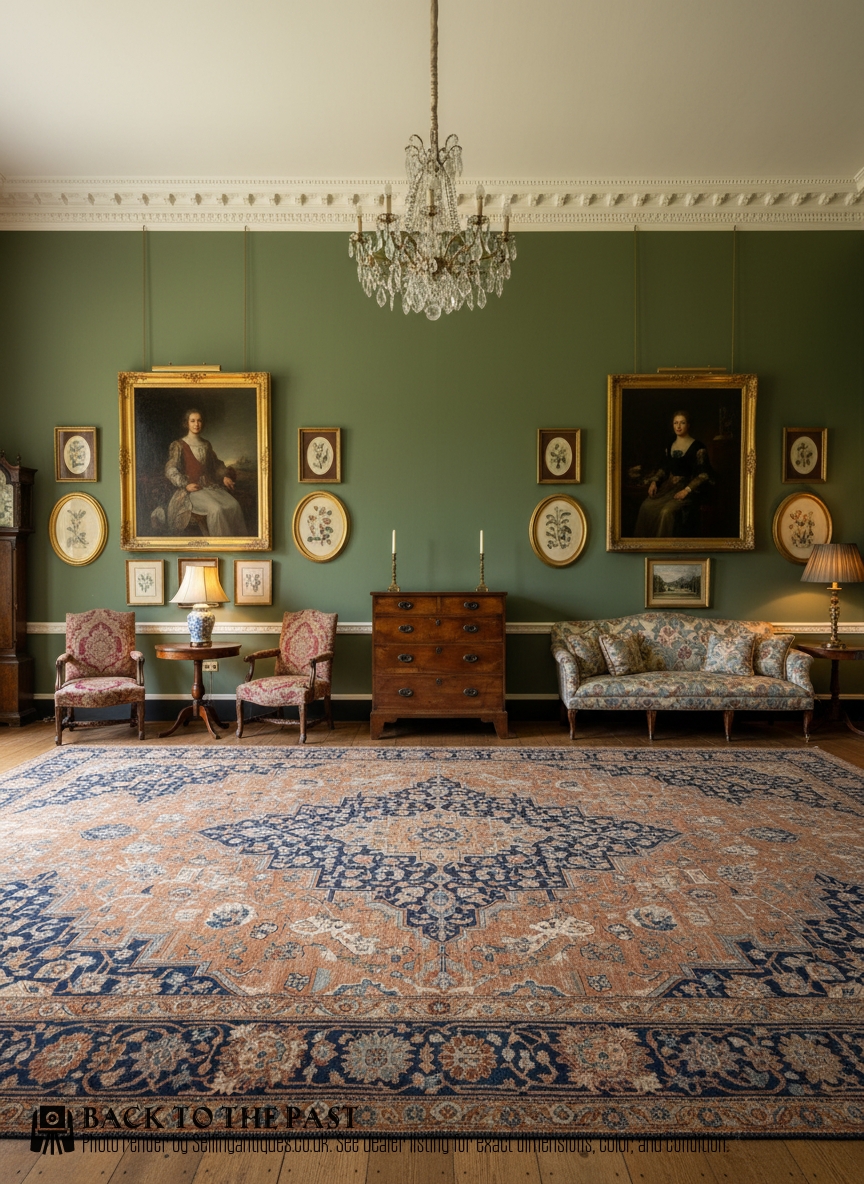
Georgian Commode Dresser
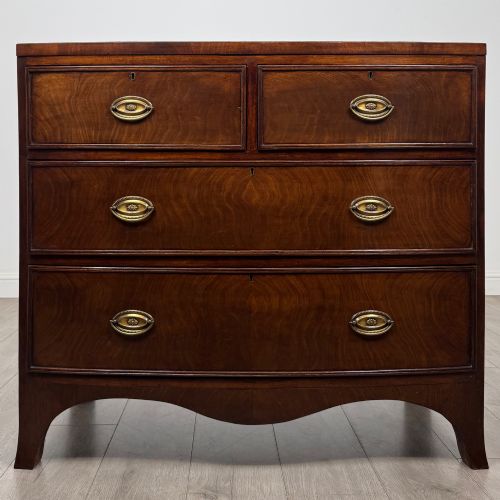
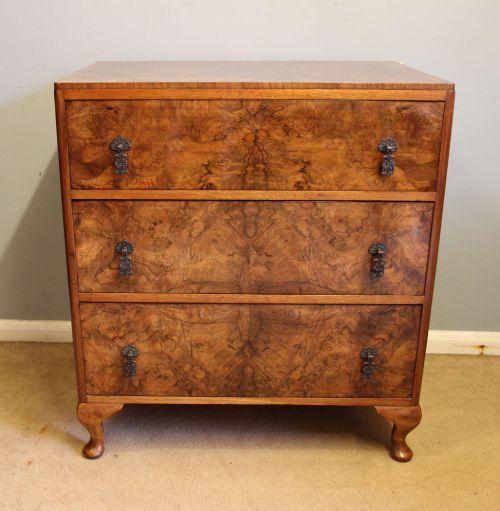
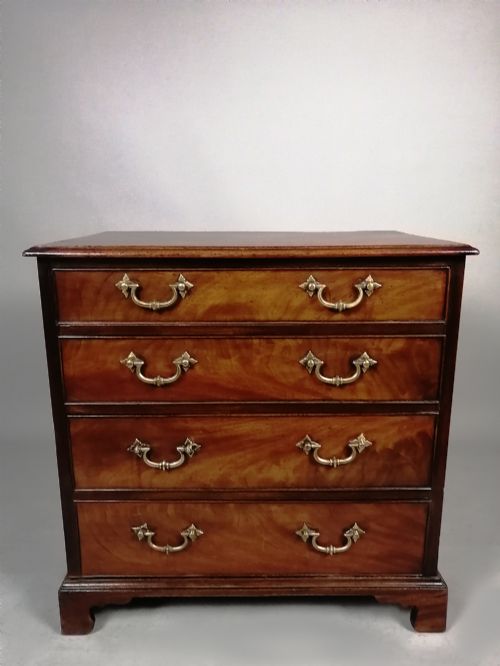
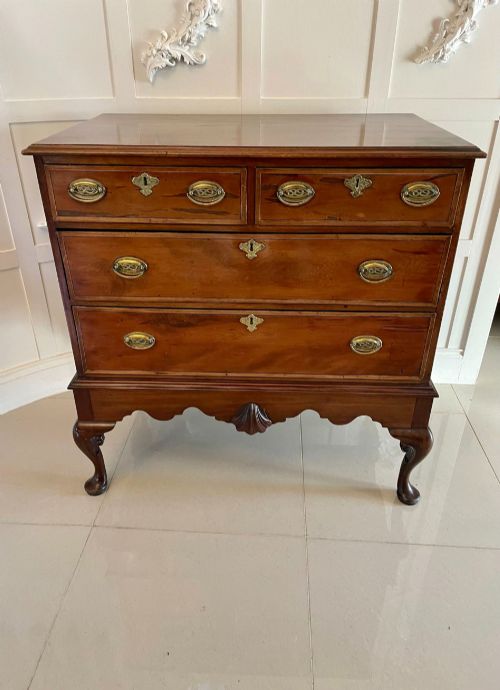
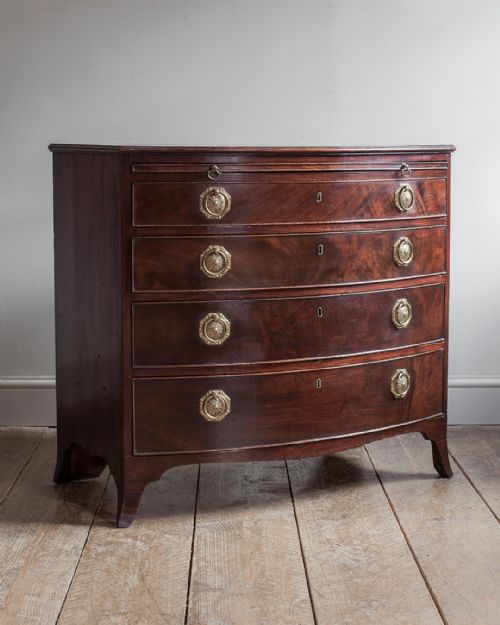
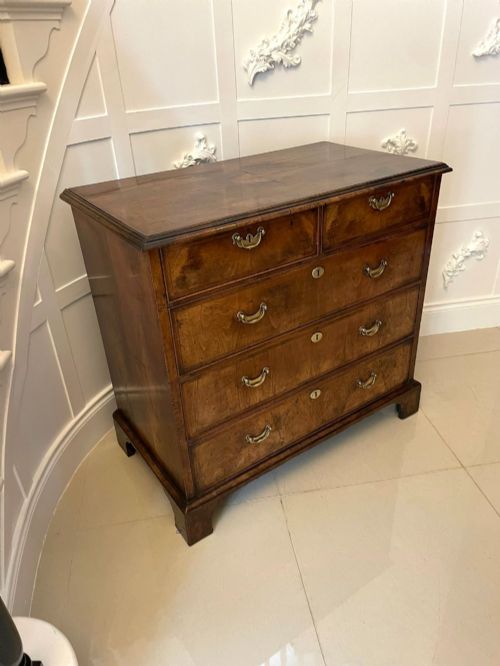
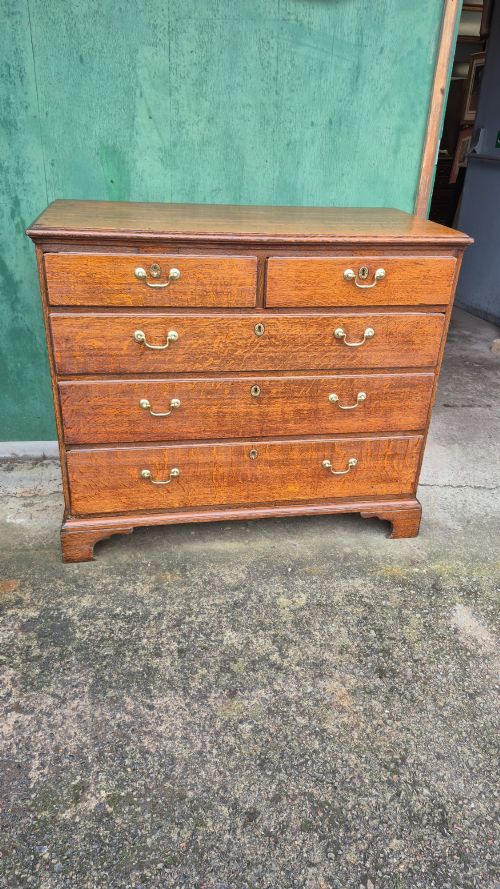
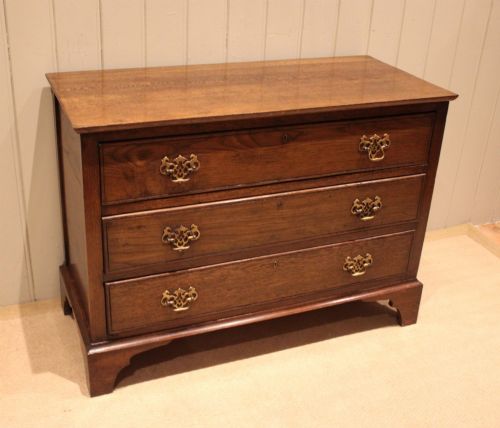
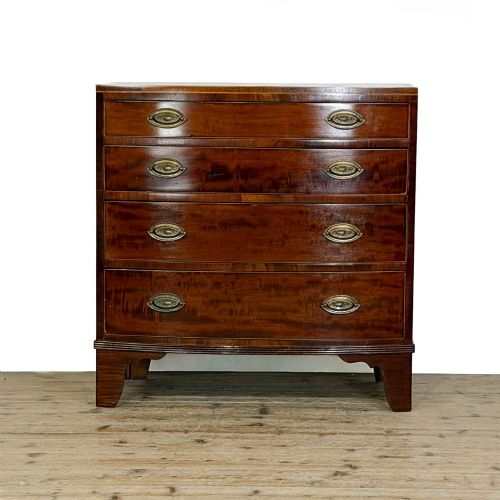
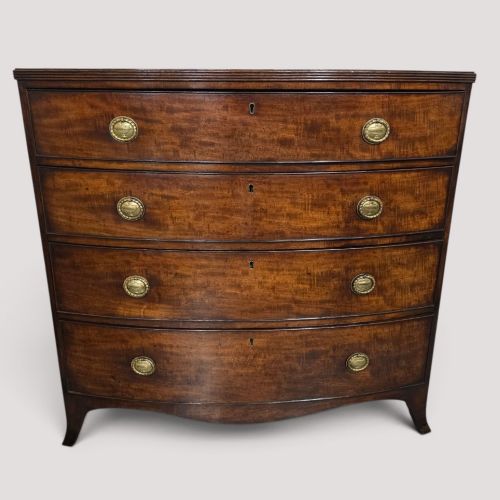
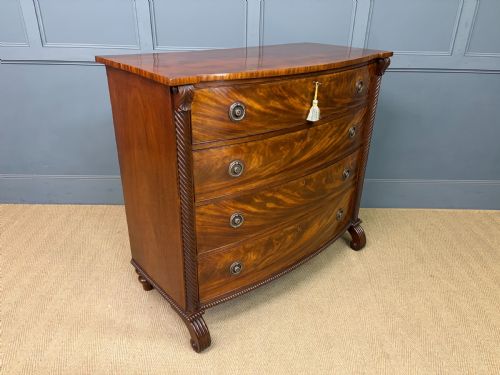
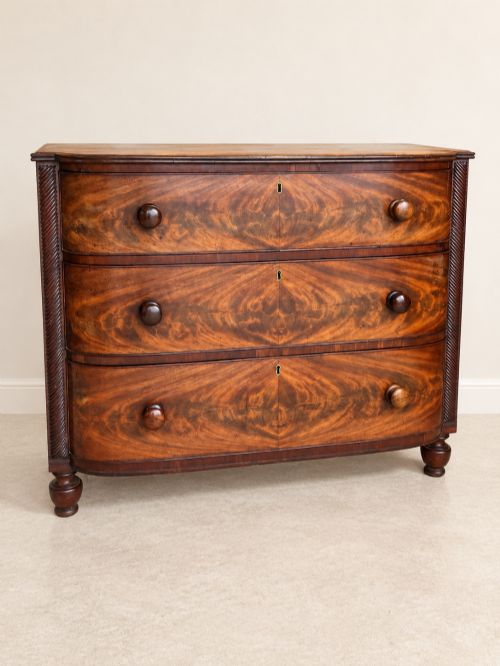
A georgian commode dresser typically presents as a chest of drawers, taking forms from straight fronts to bow fronts and serpentine shapes. These pieces emerge predominantly from the Georgian, Regency, and Queen Anne periods, spanning the eighteenth and nineteenth centuries.
Buyers also encounter specialist details like brushing slides or crossbanded veneers, reflecting the diverse domestic needs of past households across Britain and Europe.
How they were made
Cabinetmakers built these carcases using solid timbers alongside decorative veneers such as flame mahogany and burr walnut, applying skill to balance visual grain patterns with structural strength. Crossbanding and herringbone banding often border the top surfaces and drawer fronts to frame the timber.
Drawer construction relied on hand-cut dovetail joints, ensuring durability through decades of daily use. Brass handles and escutcheons were fitted to secure the drawers and complement the polished timber surface.
Some drawers retain secret compartments large enough to hide a love letter or a small stash of coins.
What varies in quality
The depth of figure in the timber veneer dictates much of the visual appeal, with richly patterned flame mahogany or burr walnut standing apart from plainer boards. Selecting timber with care ensured that the natural grain flowed coherently across the entire front of the piece.
Refinement in the proportions and the crispness of edge mouldings separate standard production from finer cabinet work. Original brass fittings and intact secondary woods in the drawer linings further elevate the standing of an individual piece.
Whytock & Reid
The Georgian Commode Dresser Glossary
- Bow front
- A convex curved cabinet front that projects outward in the centre. This shape gained popularity during the Regency and late Georgian eras to soften room lines.
- Brushing slide
- A pull-out shelf located just beneath the top surface. It was used historically for folding garments or grooming before full mirrors.
- Crossbanding
- A narrow strip of veneer laid around the border of a drawer front or top with the grain running perpendicular to the surrounding wood. This technique creates a distinct visual frame.
- Serpentine front
- A shaped furniture front that curves inward centrally and swells outward at the sides. It requires advanced woodworking skill to execute cleanly.
- Herringbone banding
- Fine inlay work arranged in a zig-zag pattern resembling the backbone of a fish. It frequently borders walnut drawer fronts on early pieces.
Georgian Commode Dresser: Frequently Asked Questions
What is a georgian commode dresser?
A georgian commode dresser is fundamentally a chest of drawers originating from the eighteenth or early nineteenth century. These pieces served primarily for clothing storage in domestic chambers.
Cabinetmakers constructed them in forms ranging from simple rectangular chests to elegant bow fronts and serpentine designs, utilising timbers such as mahogany, oak, and walnut.
How were these dressers used historically?
Households relied on these pieces to store linens, garments, and personal valuables within bedrooms and dressing rooms. Some examples incorporate a pull-out brushing slide for temporary use while dressing.
The sturdy top surface also provided a convenient platform for placing mirrors, decorative items, or lighting fixtures.
How do I identify a period piece?
Authentic period examples display traditional construction methods such as hand-cut dovetails on the drawer sides and the use of secondary timbers like pine or oak internally. Examining the timber grain and the style of the brass handles helps confirm the era of manufacture.
Changes in furniture fashion from Queen Anne walnut to Regency mahogany provide clear stylistic markers for dating.
How do I care for antique wood furniture?
Keep wooden surfaces away from direct heat sources and strong sunlight to prevent the timber and veneers from drying out or fading. Regular dusting with a soft, dry cloth maintains the finish without moisture damage.
Applying natural beeswax occasionally helps nourish old timber and preserves the depth of the polished surface.