


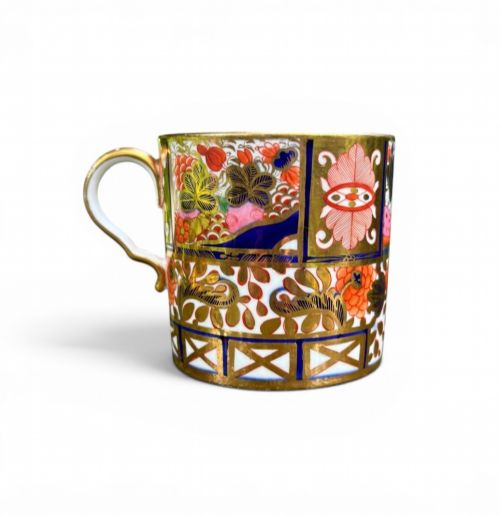
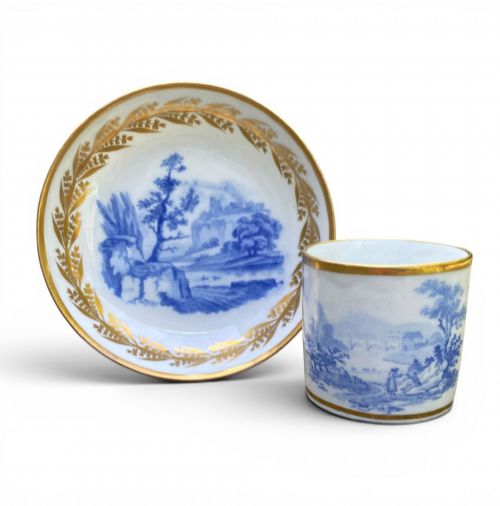

Georgian Coffee Cup
A georgian coffee cup is a delicate ceramic vessel designed for strong morning brews, prized for fine hand-painted motifs and classic cabinet displays.
Georgian Coffee Cup
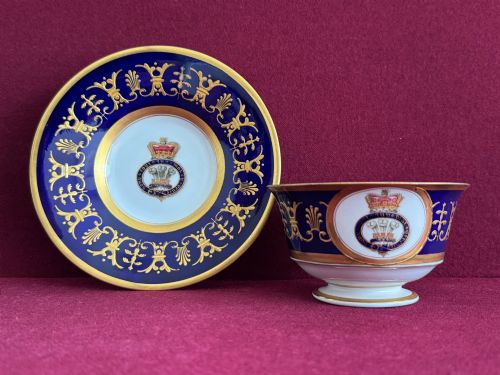
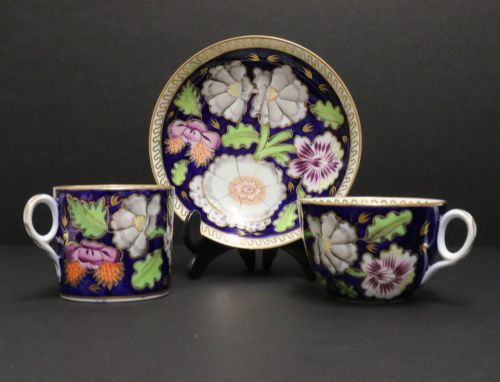
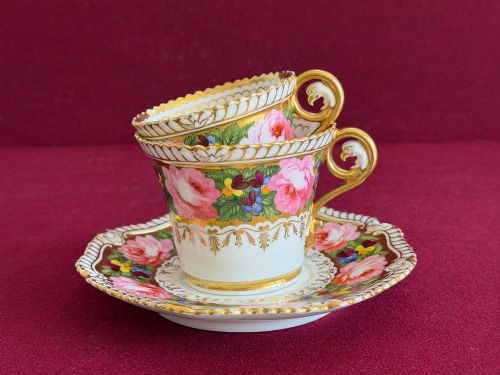
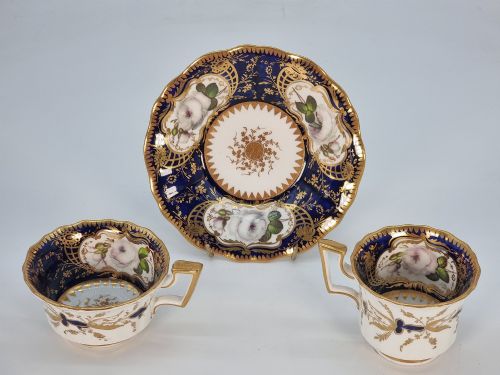
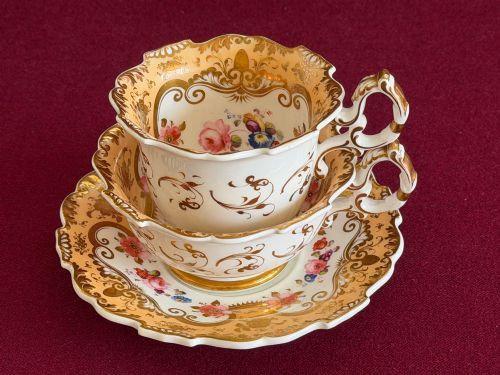
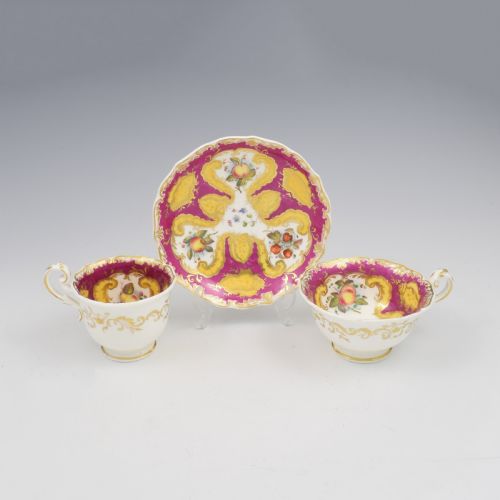
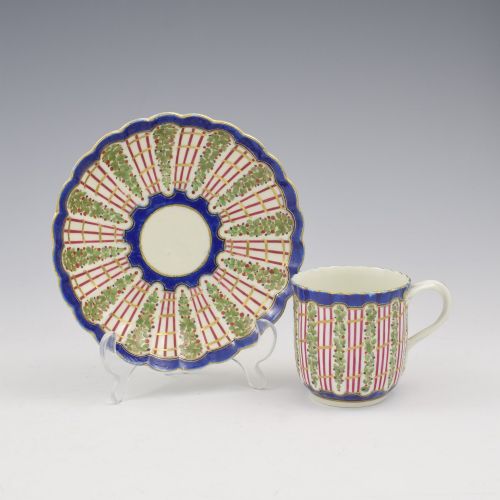
When you search for a georgian coffee cup, you encounter small porcelain drinking vessels originating primarily in the eighteenth and early nineteenth centuries. These items often appear alongside saucers, teacups, or matching trios rather than as solitary pieces.
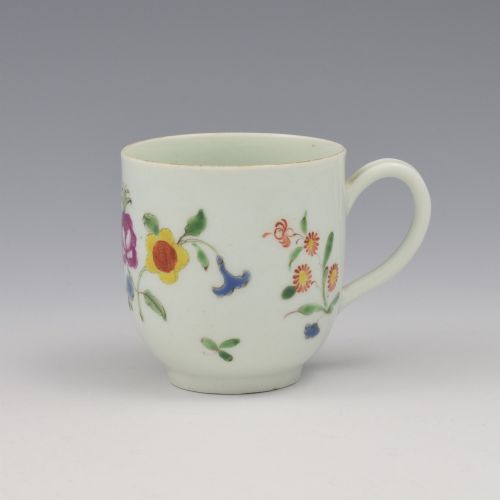
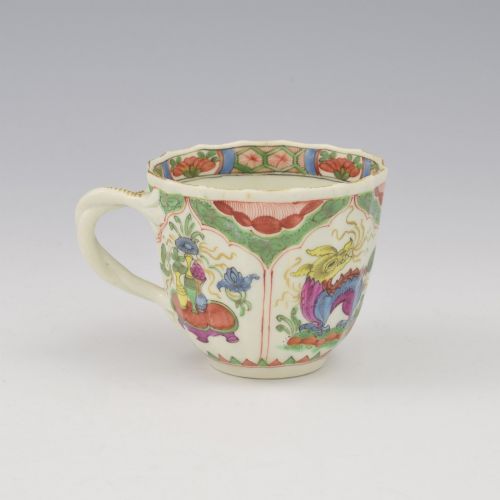
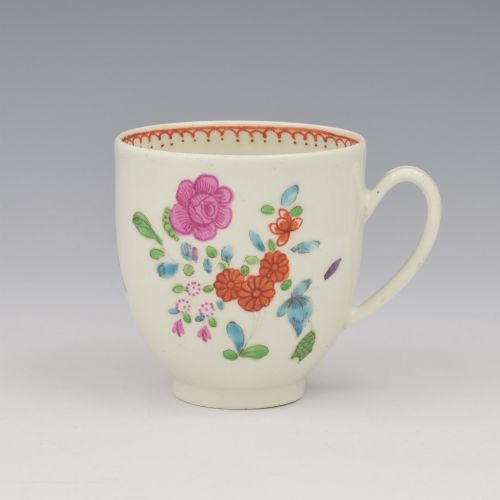
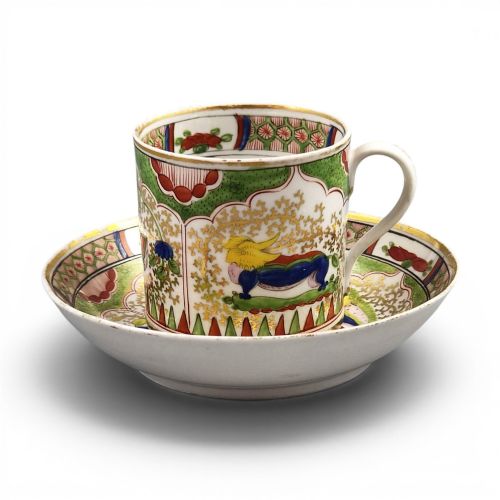
The selection ranges from early soft-paste porcelain examples decorated with hand-painted Chinese figures to later Regency period bone china coffee cans. Prominent historical factories such as Worcester, Coalport, and New Hall dominate the available forms.
How they were made
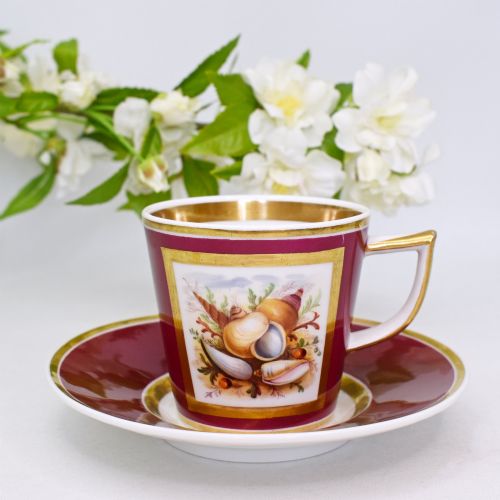
Potters utilised soft-paste porcelain, bone china, and hard-paste bodies shaped into straight-sided coffee cans or flared cups. Hand-painting formed the basis of the decoration, frequently supplemented by elaborate gold leaf, gilding, and enamel highlights.
Firing techniques evolved across the period, allowing factories to achieve finer walls and more consistent glazes. Artisans applied complex patterns such as Imari palettes, hop trellis designs, and Chinoiserie scenes directly onto the fired ceramic surface.
Georgian Coffee Cup Retail Price Guide 2026
Typical asking prices for georgian coffee cup among the pieces listed under this phrase on Sellingantiques today, from the lower quarter to the upper quarter. They describe what is for sale here now, not the wider market.
Object forms range from individual coffee cans to complete teaware trios and saucer sets.
What varies in quality
Quality in a georgian coffee cup depends largely on the precision of the hand-painted artistry and the reputation of the pottery. Pieces bearing documented factory patterns or the work of named decorators command greater attention from collectors.
The crispness of the porcelain body and the preservation of the gold leaf or enamel details also distinguish finer items. Retaining the matching saucer or forming part of an original trio elevates the desirability of the ceramic.
H and R Daniel·Chamberlain Worcester·Richard Chaffers·Coalport John Rose·Flight and Barr Worcester·Minton·Spode·Davenport·Ridgway
The Georgian Coffee Cup Glossary
- Coffee can
- A straight-sided cylindrical cup designed specifically for serving strong coffee during the Georgian period. These pieces usually lack the curved handle or flared rim found on standard teacups.
- Soft-paste porcelain
- An artificial ceramic composition fired at lower temperatures than hard-paste porcelain, creating a warm, slightly translucent body. Eighteenth-century factories relied heavily on this material before bone china became dominant.
- Chinoiserie
- European artistic style reflecting Chinese motifs, featuring imaginary landscapes, mandarins, and exotic birds. This aesthetic appeared frequently on eighteenth-century porcelain painted in polychrome enamels.
- Trio
- A matched set consisting of a teacup, a coffee cup, and a saucer. These groupings became popular breakfast accessories in Regency households.
- Imari
- A decorative style inspired by Japanese export ceramics, utilising a distinct palette of underglaze blue, iron red, and abundant gold leaf. English factories readily adopted this scheme during the early nineteenth century.
Georgian Coffee Cup: Frequently Asked Questions
What is a coffee can?
A coffee can is a cylindrical cup without a flared rim, made to hold strong coffee in the Georgian dining room.
Potters shaped them with straight sides and simple loop handles to suit the refined habits of the period.
How do I date these cups?
Dating relies on factory marks, ceramic bodies, and decorative styles recorded in historical archives.
Soft-paste porcelain generally points to the eighteenth century, while bone china and cylindrical cans align with the Regency era.
Can I use them for drinks?
These antique ceramics are fragile cabinet pieces best preserved through careful display rather than daily use.
Historic glazes and delicate gold leaf can suffer damage from modern detergents and hot liquids.
Why do some have saucers missing?
Many items became separated over centuries of use, inheritance, and shifting household collections.
Finding a complete trio or a matched cup and saucer remains a notable bonus for collectors today.