



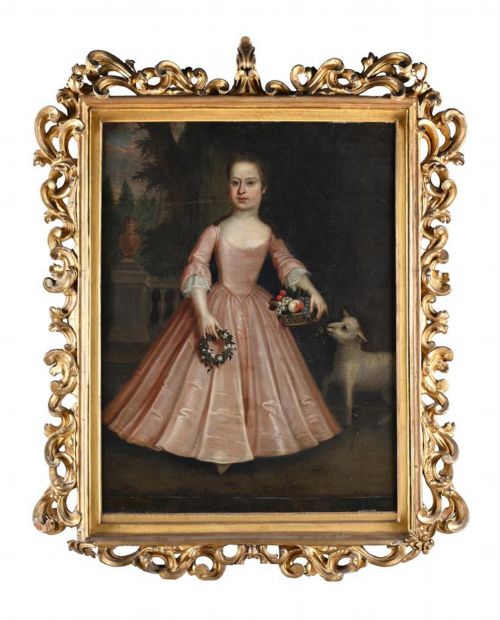
Georgian Child Painting
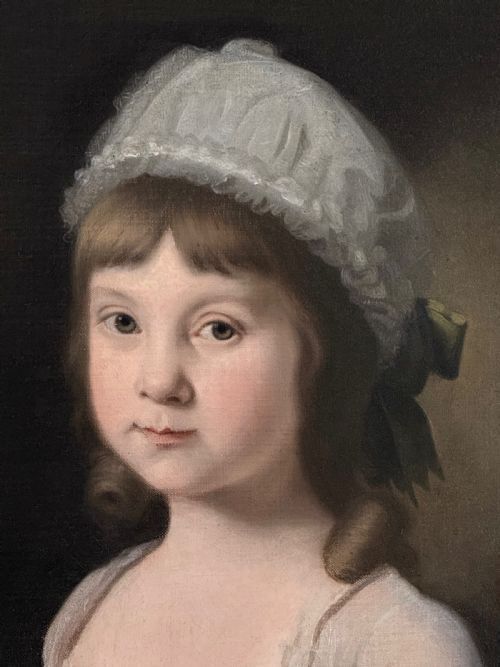
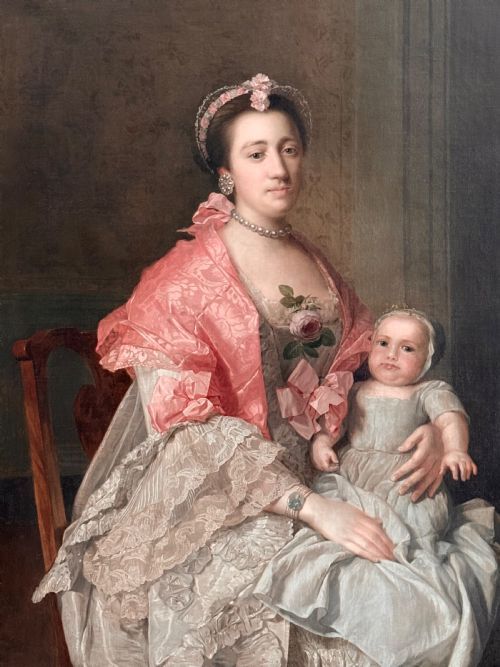
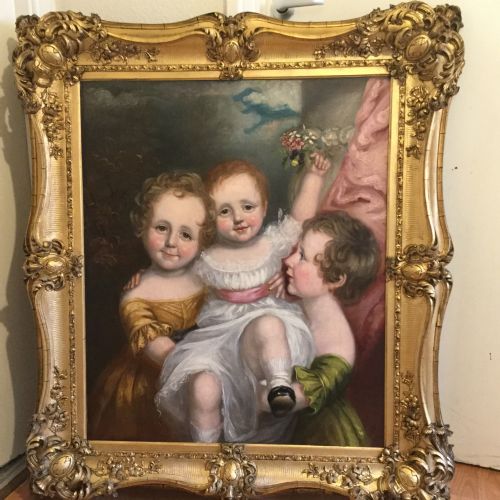
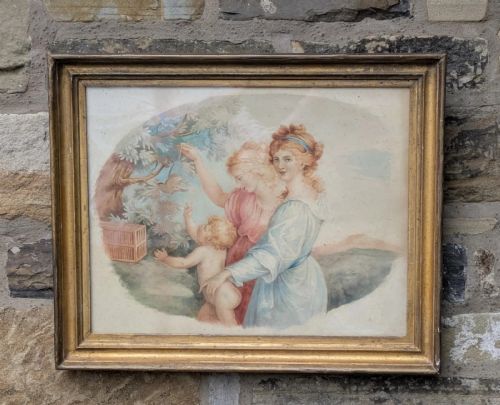
When you search for georgian child painting, you enter a world of formal oils and delicate watercolours recording young lives from past centuries.
Georgian Child Painting
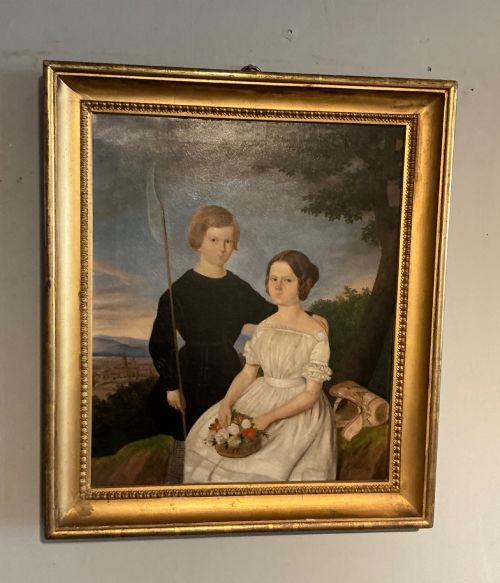
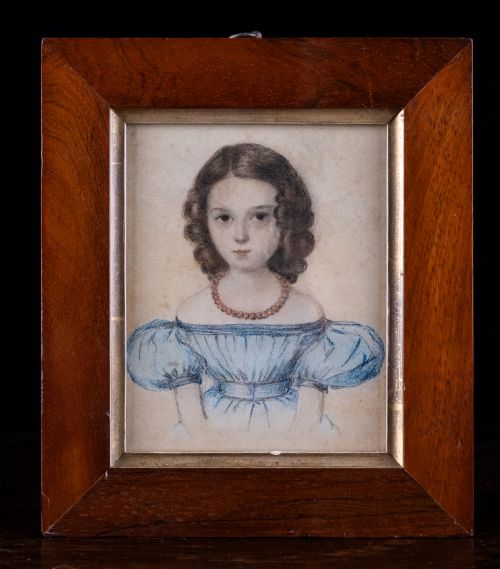
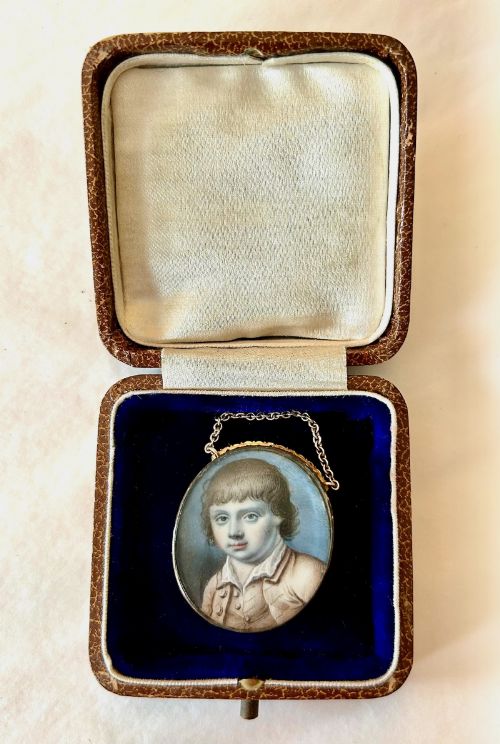
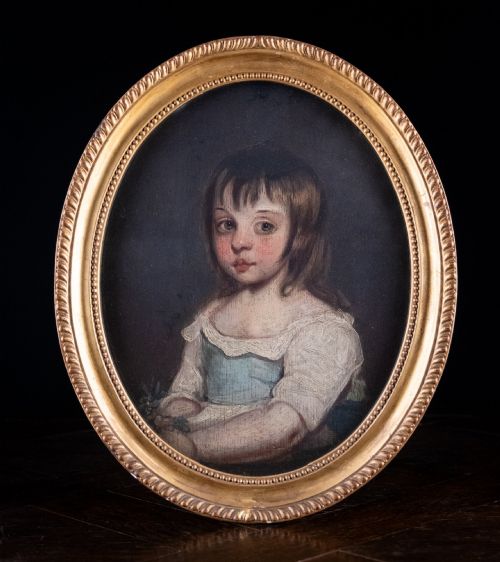
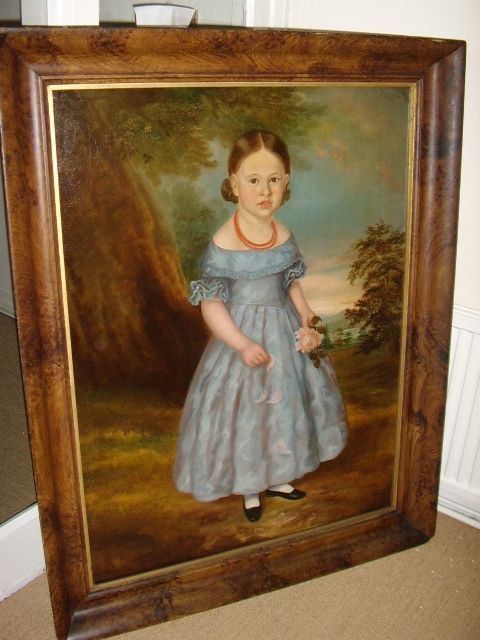
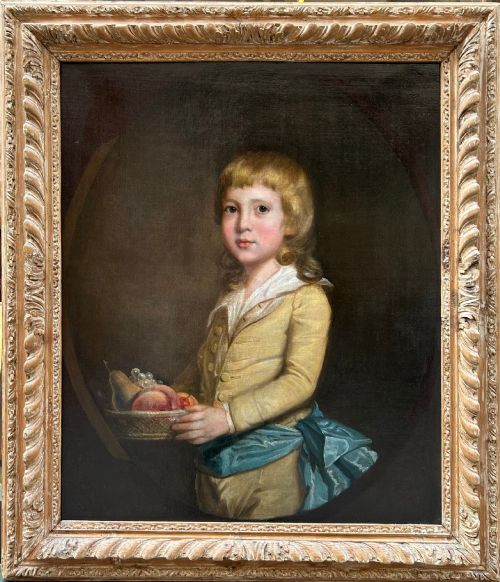
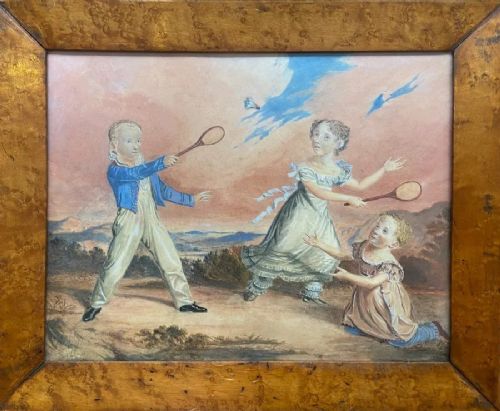
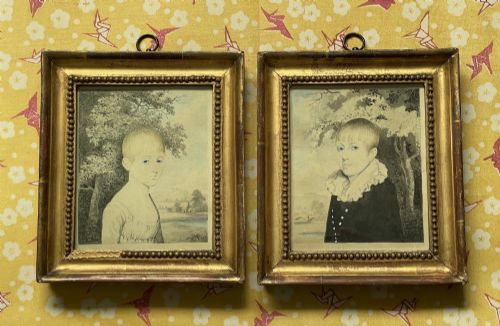
A georgian child painting captures youngsters from the eighteenth and nineteenth centuries, often depicted in formal poses or engaged in quiet domestic scenes. You encounter oil on canvas works, watercolours on paper, and detailed portrait miniatures housed in original frames.
The selections span early Georgian works through to Regency and Victorian interpretations. Many pieces originate from the English School, recording the likenesses of sons and daughters with characteristic period dress and surroundings.
How they were made
Artists built these works utilising oil paint on canvas or watercolour applied to paper, mounted behind glass within wooden or giltwood frames. Pigments were layered carefully to capture textile textures and facial expressions.
Miniature portraits required exceptional precision on small surfaces, frequently utilising ivory or paper substrates. Framing often involved maple or ebonised wood to complement the domestic scale of the artwork.
Georgian Child Painting Retail Price Guide 2026
Typical asking prices for georgian child painting among the pieces listed under this phrase on Sellingantiques today, from the lower quarter to the upper quarter. They describe what is for sale here now, not the wider market.
Listings feature oil on canvas, watercolour, and giltwood from the eighteenth and nineteenth centuries.
What varies in quality
Skill in facial rendering and proportion separates standard studio output from master portraiture. Finer examples display subtle light play on fabrics and lifelike skin tones, whereas naive works adopt simpler, flatter perspectives.
The integrity of the original frame and surface condition influence the piece. Works retaining their initial canvas support and period housing hold greater visual harmony.
Sir Thomas Lawrence·Sir Joshua Reynolds·Michael Dahl·Joseph Highmore·George Engleheart
The Georgian Child Painting Glossary
- Portrait miniature
- A small-scale painting executed with fine brushwork, often worn as personal jewellery or kept in a protective case.
- Giltwood
- Wood carved and coated with gold leaf, frequently utilised for period picture frames.
- Naive art
- Work produced by an artist without formal academic training, often characterised by charming directness and simplified perspective.
- Mezzotint
- A printmaking process of the printmaker's art allowing deep tonal gradations, used to reproduce oil paintings.
- Watercolour
- Pigments suspended in a water-based solution applied to paper substrates.
Georgian Child Painting: Frequently Asked Questions
What periods do these paintings cover?
The works predominantly span the eighteenth and nineteenth centuries, incorporating Georgian, Regency, and early Victorian eras.
Styles range from formal English School portraiture to naive depictions and delicate watercolour miniatures.
How should I display a miniature?
Miniatures require protection from direct sunlight to prevent watercolour pigments and paper from fading over time.
Keep them in stable room environments away from excessive humidity to preserve the delicate frames and glass mounts.
What is the difference between oil and watercolour?
Oil paintings utilise pigments bound in drying oils on canvas, offering rich textures and deep colour layering. Watercolours employ water-soluble media on paper, creating a lighter and more translucent finish.
Are these works always signed?
Many historical portraits and miniatures remain unsigned, attributed instead to specific schools or studio circles based on technique and subject matter.
Documentation or framing details often provide the primary clues to the artist or workshop origin.