






Georgian Ceramic Sculpture
Georgian ceramic sculpture brings allegorical figures, shepherds and animals into the room through soft-paste porcelain, biscuit porcelain and pearlware.
Georgian Ceramic Sculpture
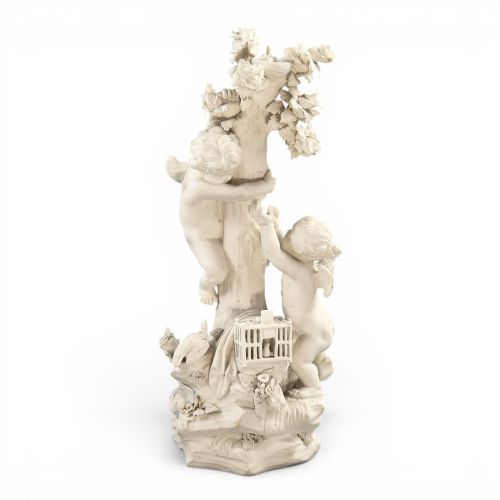
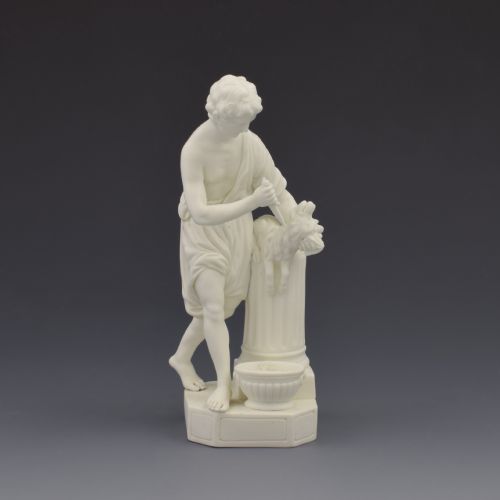
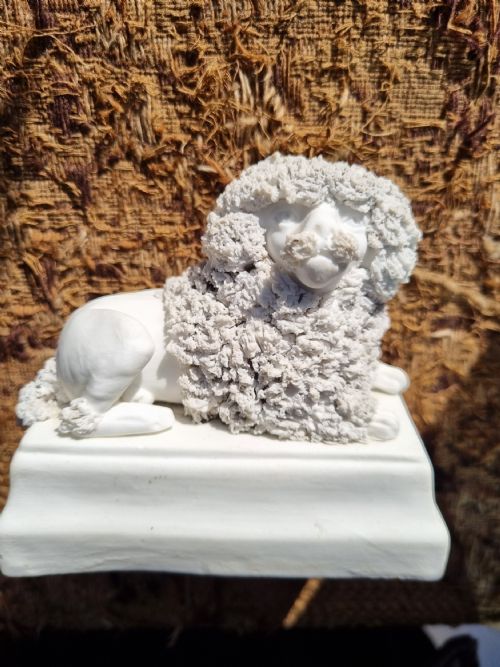
When you search for georgian ceramic sculpture, you encounter porcelain figures, earthenware groups and decorative pottery models dating across the eighteenth and early nineteenth centuries. These pieces encompass allegories of the elements and seasons, mythological subjects like Zeus and Father Time, and pastoral groups with animals.
The objects stem predominantly from eighteenth-century English factories, with Derby and Bow representing the core of what you meet. Soft-paste porcelain and unglazed biscuit porcelain dominate the period, alongside pearlware and pottery figures from makers such as Ralph Wood and Enoch Wood.
Distinguishing quality
The complexity of the composition also dictates distinction, separating single figures from large multi-figure groups involving animals, mythological attributes and bocage surrounds.
Georgian Ceramic Sculpture Retail Price Guide 2026
Typical asking prices for georgian ceramic sculpture among the pieces listed under this phrase on Sellingantiques today, from the lower quarter to the upper quarter. They describe what is for sale here now, not the wider market.
Listings feature eighteenth-century and nineteenth-century pieces executed in soft-paste porcelain, biscuit porcelain, enamel, earthenware and gold leaf.
Derby porcelain·Bow Porcelain·Ralph Wood·Enoch Wood·Ludwigsburg porcelain·Minton Porcelain
The Georgian Ceramic Sculpture Glossary
- Biscuit porcelain
- Un-glazed porcelain fired to a matte, tactile white finish that highlights intricate modelling. This ceramic body was widely utilised for neoclassical and allegorical figures.
- Bocage
- An applied background of ceramic leaves and flowers framing a figure group. This leafy screen originated in eighteenth-century porcelain factories to evoke natural settings.
- Pearlware
- A refined earthenware developed by Josiah Wedgwood and adopted by other potters, featuring a thin glaze with a faint bluish tint. It served as the body for many Staffordshire figures and groups.
- Soft-paste porcelain
- An artificial porcelain composition fired at lower temperatures than hard-paste, common in eighteenth-century English factories. It yields a warm body that interacts fluidly with enamel paints.
Georgian Ceramic Sculpture: Frequently Asked Questions
What is biscuit porcelain?
Biscuit porcelain is unglazed ceramic fired once to create a matte, white surface resembling marble. It allows sculptural details to remain crisp and unmasked by glossy finishes.
Factories like Derby utilised this body extensively for allegorical and classical figures during the eighteenth century.
How do I identify a Bow figure?
Bow figures often date from the mid-eighteenth century and typically display distinct modeling with early paste characteristics. They frequently depict seasons or allegorical subjects.
Consulting reference guides helps confirm factory characteristics through paste analysis and base construction.
Where were these figures placed?
These ceramic sculptures served as decorative ornaments for interior tabletops, mantelpieces and dining table centerpieces during the Georgian era. They brought classical mythology and pastoral charm into domestic parlours.
Collectors today display them in cabinets or on dedicated surfaces away from direct sunlight.
What is a bocage background?
A bocage is an applied ceramic foliage screen that surrounds porcelain figures, representing trees or bushes. This leafy framework adds depth and a naturalistic setting to pastoral and mythological scenes.
Care is required when handling figures with bocage due to the delicate nature of the leaves.