

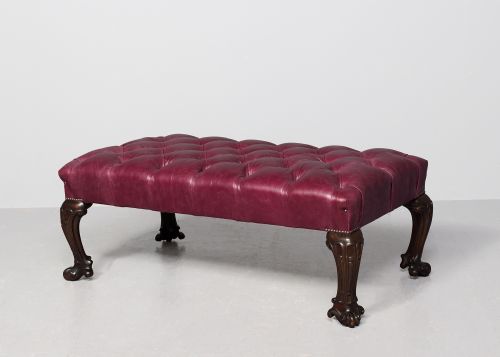
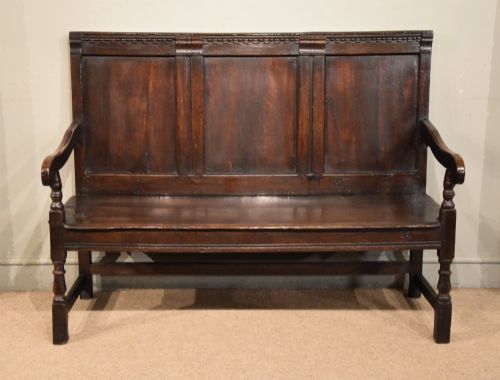
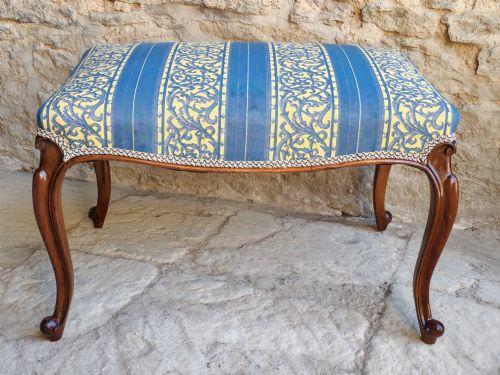
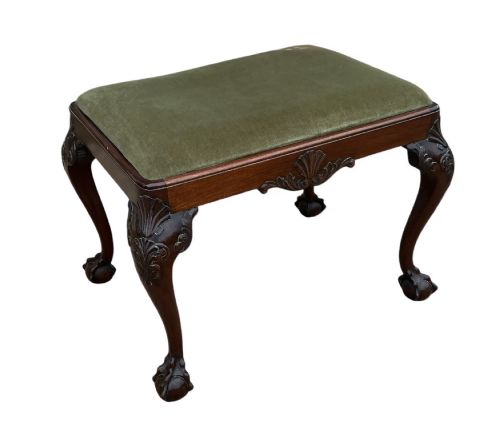
Georgian Carved Bench
A georgian carved bench brings solid timber and centuries of craft to an entrance hall or window recess.
Georgian Carved Bench
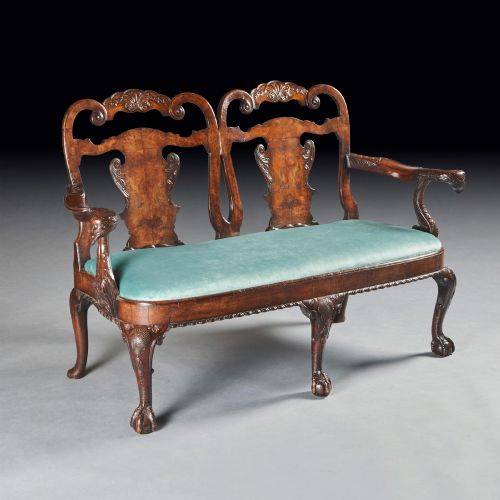
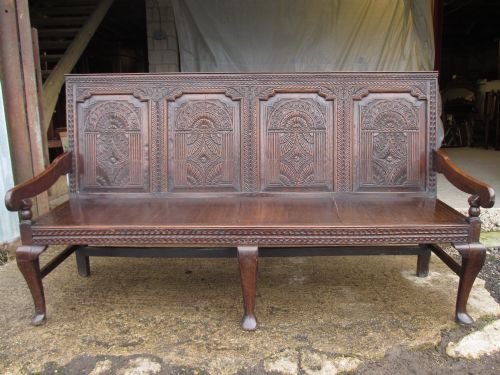
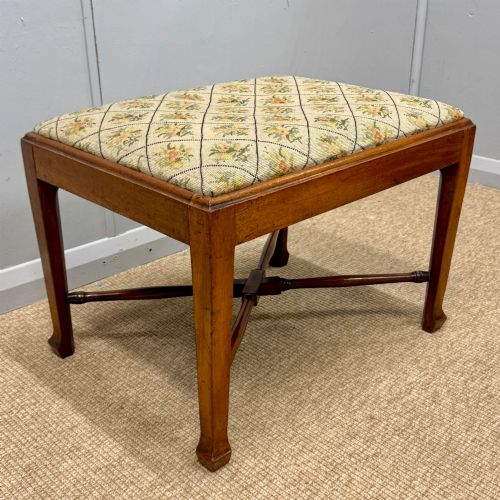
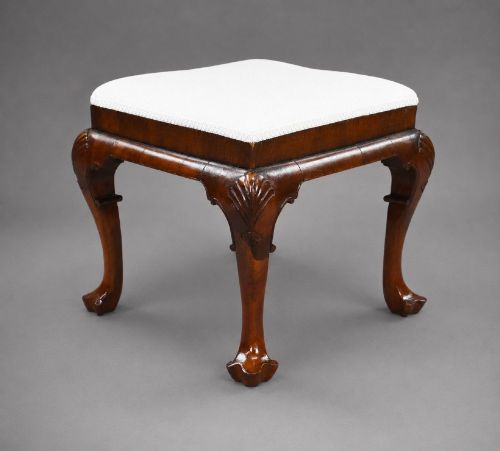
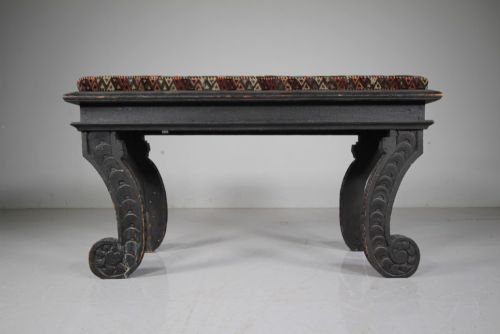
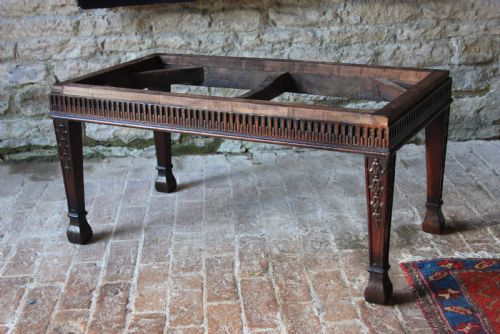
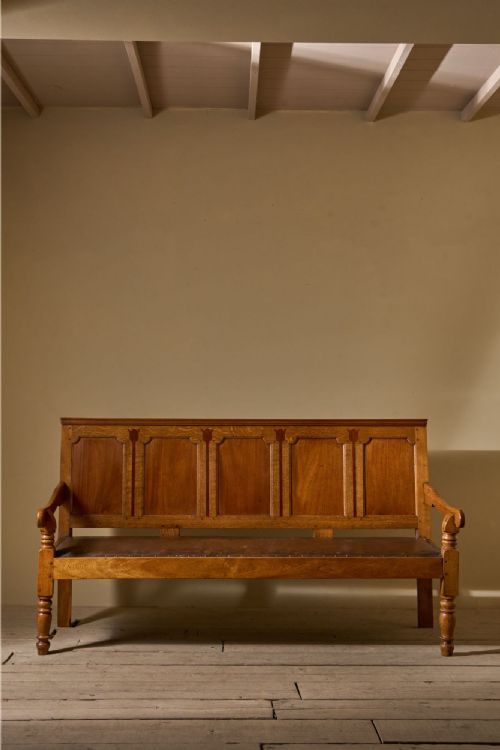
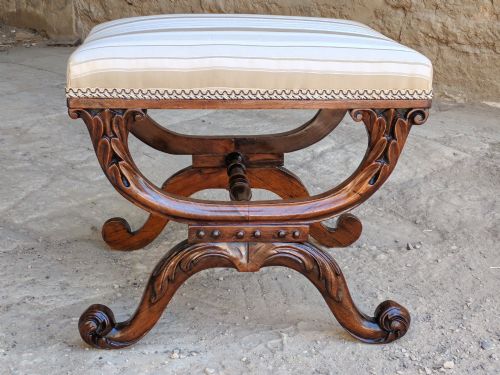
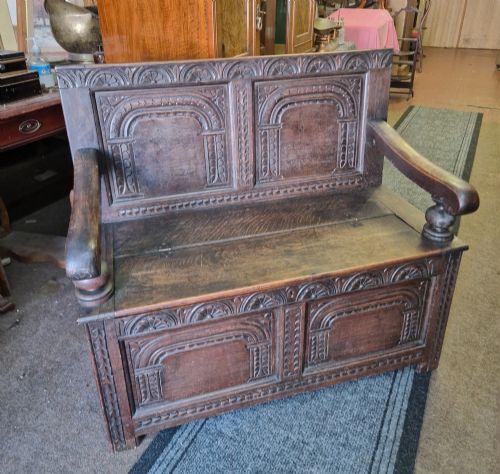
A georgian carved bench encompasses sturdy oak settles, mahogany window seats, and walnut stools designed for hallways and living spaces. These seating forms span authentic 18th century pieces as well as later revivals from the 19th and early 20th centuries.
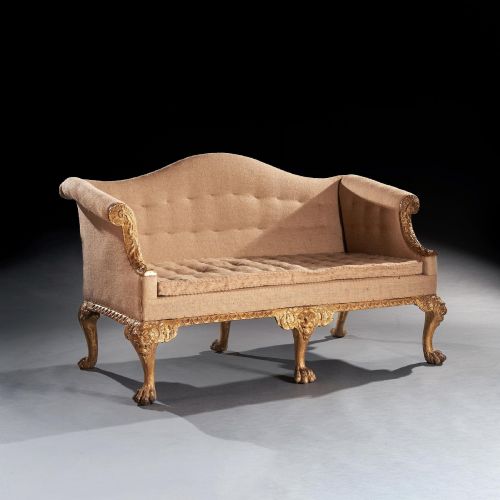
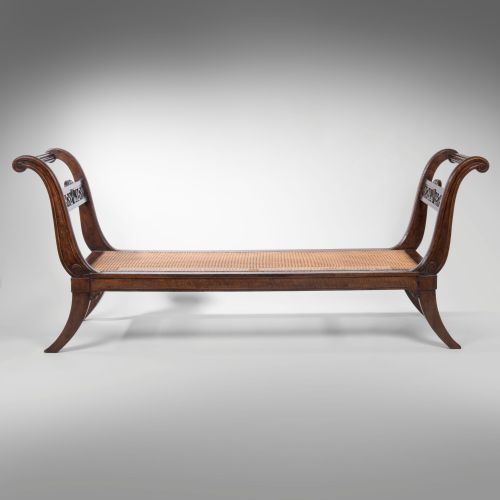
Buyers encounter robust country house settles alongside formal window seats framed in mahogany and rosewood. Oak variants often feature high backs and coffer seats, while refined urban examples display carved details and upholstered pads.
What varies in quality
Quality rests in the crispness of the timber carving and the architectural proportion of the frame. Superior examples display thoughtful joinery and harmonious lines without clumsy proportions.
The choice of primary timber and secondary woods dictates durability, with dense old-growth mahogany and figured oak holding an advantage over softer pine or lesser stock.
Listings feature seating forms ranging from 18th century country oak settles to late 19th century walnut and rosewood window seats.
Giles Grendey·Miles And Edwards·Butlers of Dublin
The Georgian Carved Bench Glossary
- Settle
- A wooden bench featuring a high solid back designed to block draughts, frequently incorporating a storage box beneath the seat.
- Window seat
- An elongated stool or small settee proportioned specifically to sit within the architectural recess of a window frame.
- X-frame
- A structural furniture base formed by intersecting curved or straight wooden members resembling the letter X.
- Cabriole leg
- A furniture leg that curves outward at the knee and tapers inward toward the foot, often ending in a pad or claw.
- Coffer
- A box or chest with a hinged lid that doubles as a seat base on traditional hall benches.
Georgian Carved Bench: Frequently Asked Questions
Where should I put a hall bench?
A hall bench suits an entrance vestibule or wide corridor where it provides a practical spot for putting on shoes. It also works effectively against a plain wall beneath a mirror or coat hooks.
Ensure there is sufficient clearance for doors to open and for people to pass comfortably. The heavier wooden settles anchor a space, while lighter window seats keep the line of sight open.
How do I tell an 18th century settle apart from a revival piece?
Examine the underside and interior joints for tool marks, timber shrinkage, and the colour of the wood grain. Older pieces show natural wear patterns and hand-cut joinery consistent with period hand tools.
Revival pieces from the later periods often utilise more uniform machine-sawn timber and tighter, cleaner joints. The patina on early wood develops over generations of touching and polishing.
Can I use an antique stool as a piano seat?
Many low stools and adjustable piano benches from the period serve well for seating at a keyboard or dressing table. Their compact footprint makes them versatile additions to smaller rooms.
Check the height and stability of the frame before daily use. Sturdier mahogany or walnut examples withstand regular sitting without loosening at the joints.
What is the difference between a settle and a settee?
A settle is traditionally constructed from solid wood with a high back and solid ends to keep out cold draughts in unheated hallways. A settee is typically an upholstered seat designed for comfort in parlours and drawing rooms.
Settes rely on padded cushions and fabric covers, whereas settles offer a timber plank seat that may hold a squab cushion. Both provide multiple seating spaces but serve different domestic functions.