



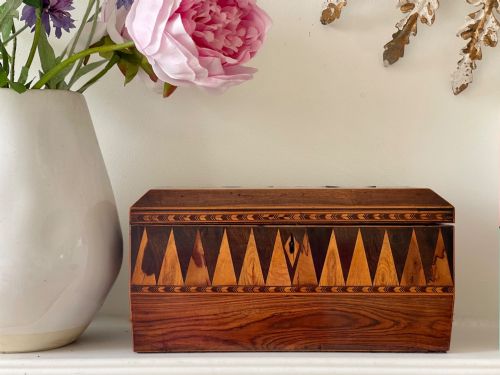


Georgian Caddy Container
A georgian caddy container is a refined vessel for storing precious leaf, bringing period elegance and craftsmanship to any table.
Georgian Caddy Container
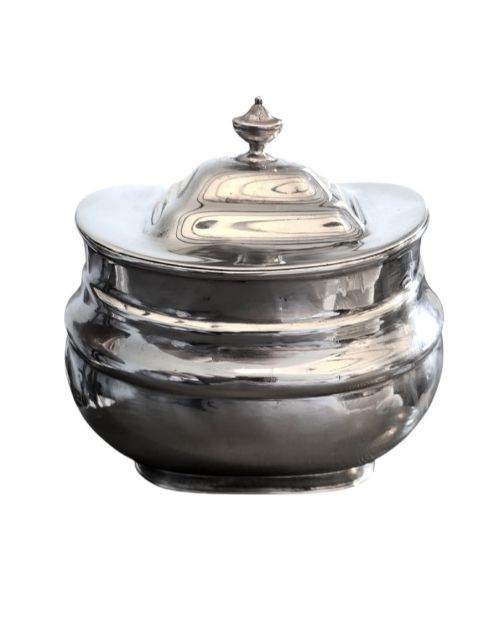
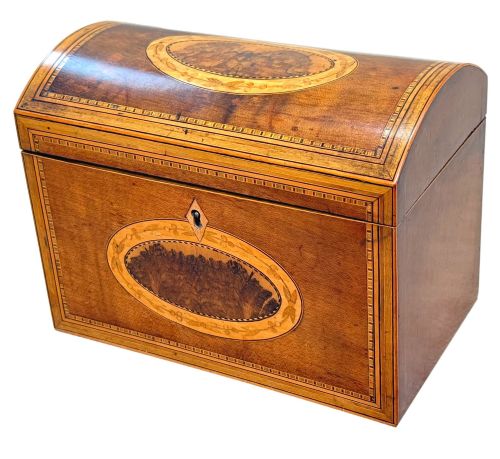
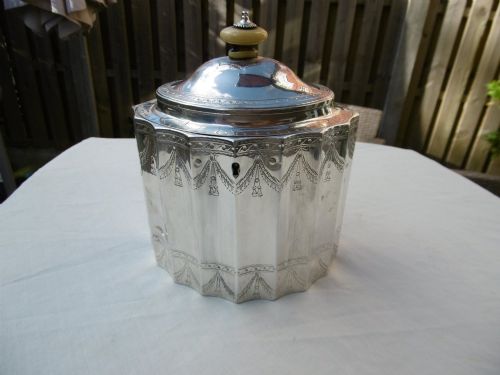
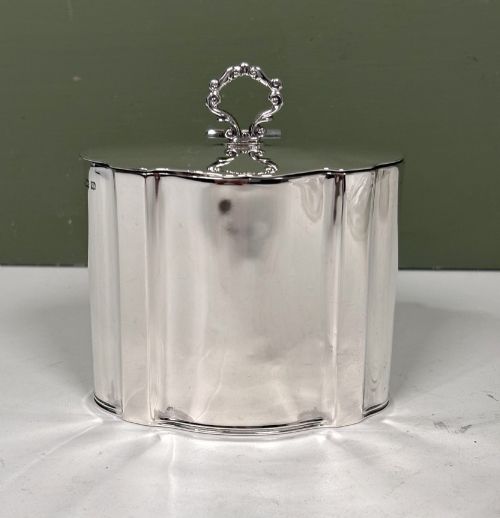
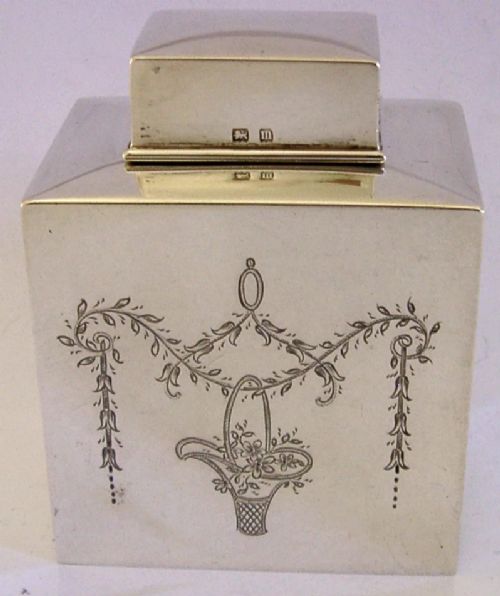
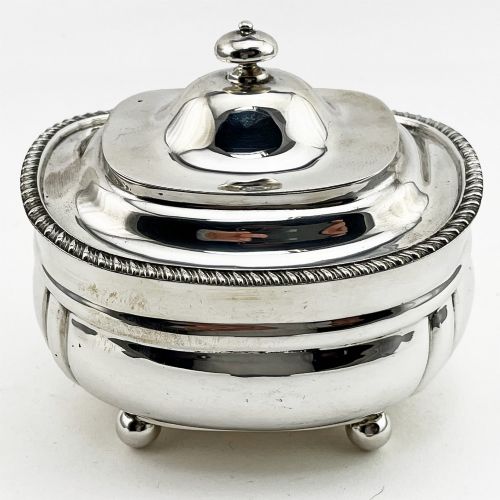
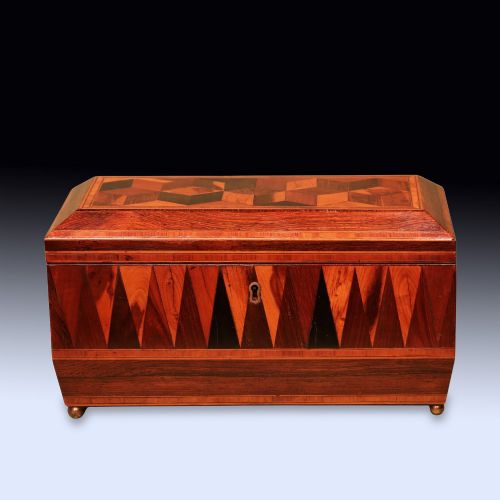
A georgian caddy container encompasses wooden tea chests, silver canisters, and small decorative boxes from the eighteenth and nineteenth centuries. These objects were originally designed to protect and lock away expensive tea, which was a luxury commodity during the Georgian era.
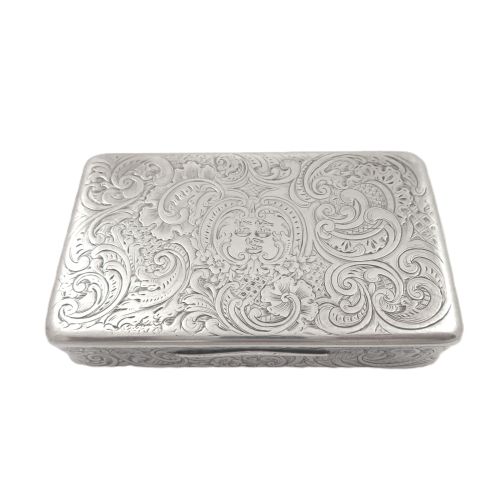
Origins span the Georgian period, the Regency era, and later Victorian revivals, reflecting shifts in domestic tastes and social rituals. Buyers also encounter related containers such as snuff boxes, spice boxes, and condiment vessels that share the same period vocabulary.
Materials and construction
Makers utilised dense hardwoods such as mahogany, walnut, rosewood, and harewood, frequently applying decorative veneers, parquetry, and brass inlay to the exterior surfaces. Skilled cabinetmakers constructed these boxes with tight joints to protect the contents from humidity.
Silver containers were wrought from solid sterling silver, often featuring detailed fluting, hand engraving, and hallmarks indicating the year and maker. Interiors of wooden caddies commonly retained fitted compartments lined with foil or velvet, alongside working locks and keys.
Georgian Caddy Container Retail Price Guide 2026
Typical asking prices for georgian caddy container among the pieces listed under this phrase on Sellingantiques today, from the lower quarter to the upper quarter. They describe what is for sale here now, not the wider market.
Listings feature sterling silver, brass, mahogany, walnut, and rosewood across Georgian, Regency, and Victorian periods.
Evaluating quality and merit
The standard of a georgian caddy container depends heavily on the selection of timber or the weight and crispness of the silver work. Superior examples display thoughtful grain matching, precise brass inlay, and intact original fittings such as interior lids and working locks.
Subtlety of decoration separates finer pieces from simpler utility boxes, whether through delicate hand painting, Chinoiserie detailing, or sophisticated parquetry patterns. The preservation of original surfaces and patination further distinguishes a superior antique.
Robert Hennell·Zimmermann·Goldsmiths and Silversmiths Co.
The Georgian Caddy Container Glossary
- Tea Caddy
- A box or jar used to store tea leaves. Originally supplied in pairs inside a locked wooden outer case, they eventually evolved into standalone vessels.
- Sarcophagus
- A box style featuring a sloping, pedestal-mounted shape reminiscent of a classical stone coffin. This form became particularly fashionable during the Regency period.
- Tunbridge Ware
- A distinct type of woodwork decorated with intricate mosaic patterns made from tiny wood blocks of various natural colours. It represents a high degree of Victorian and Georgian carpentry skill.
- Navette
- A boat-shaped decorative form with pointed ends, commonly seen in eighteenth and nineteenth-century silver and brass vessels. This geometry adds elegance to small tabletop boxes.
- Parquetry
- A geometric mosaic of wood pieces used for accenting furniture and box surfaces. It relies on contrasting timbers to create visual depth.
Georgian Caddy Container: Frequently Asked Questions
How were these boxes used?
Households used these containers to keep valuable tea leaves safe from theft or dampness, often under lock and key.
The mistress of the house would typically keep the key, dispensing the leaves herself for afternoon tea.
How do I date a wooden caddy?
Dating relies on observing the prevailing timber choices, construction techniques, and decorative styles such as brass inlay or parquetry.
Key shapes, such as the sarcophagus form, also point to specific periods like the Regency era.
How should I care for an antique caddy?
Keep wooden boxes away from direct sunlight and sudden temperature changes to prevent the timber from warping or veneers from lifting.
Silver versions benefit from gentle cleaning with appropriate cloths rather than harsh chemical polishes.