
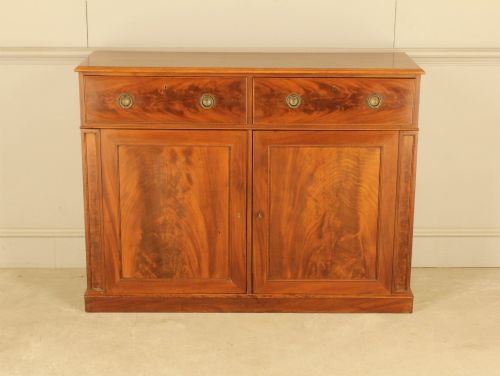
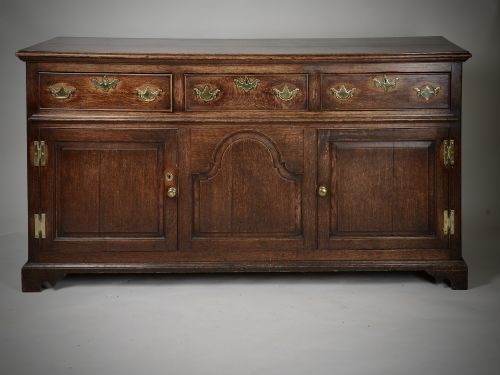
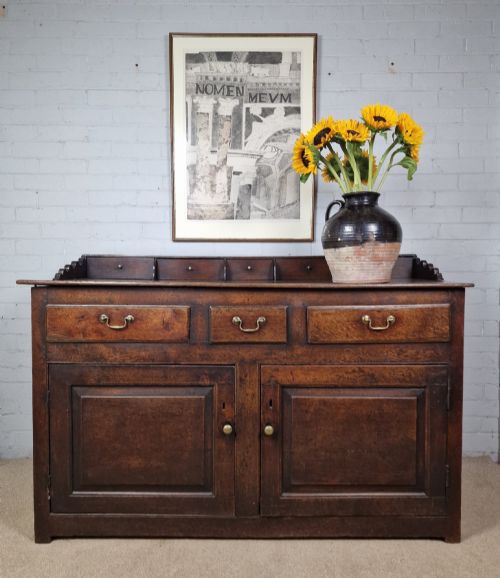
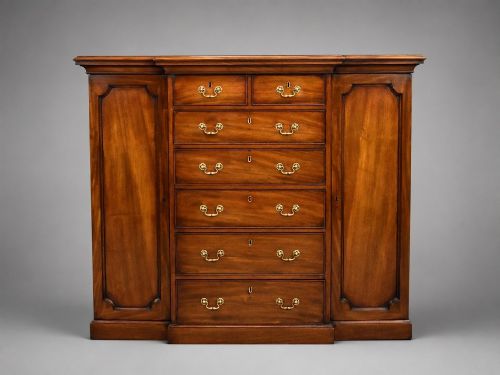
Georgian Buffet Cupboard
A georgian buffet cupboard brings practical storage and architectural presence to a dining room through traditional craftsmanship.
Georgian Buffet Cupboard
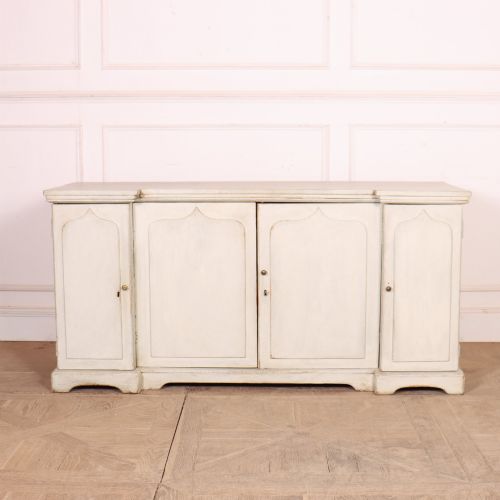
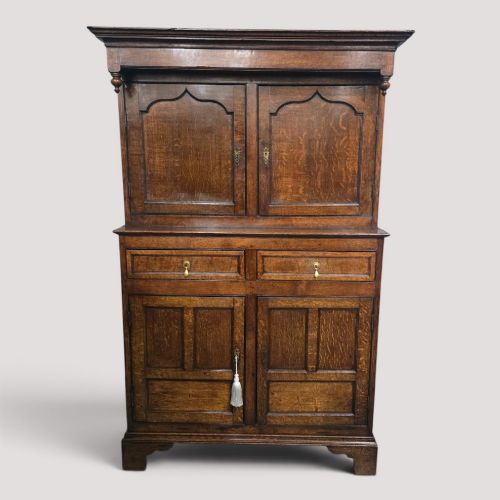
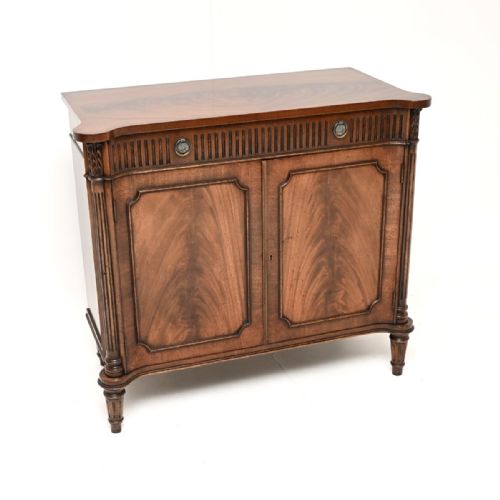
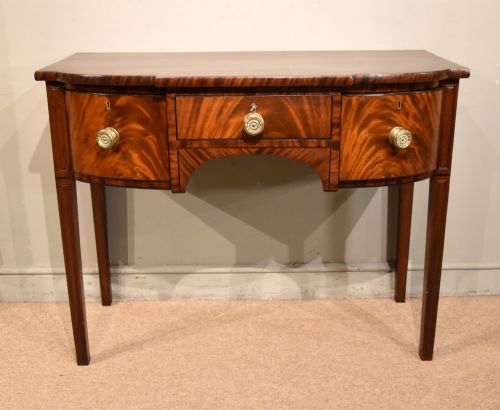
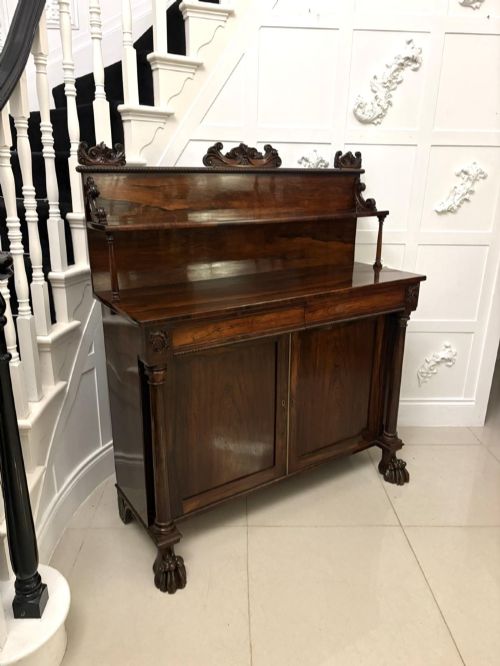
A georgian buffet cupboard encompasses various forms of storage furniture designed for dining spaces, including dresser bases, sideboards, and side cabinets. These pieces originate from periods spanning the eighteenth and nineteenth centuries, alongside later revival interpretations.
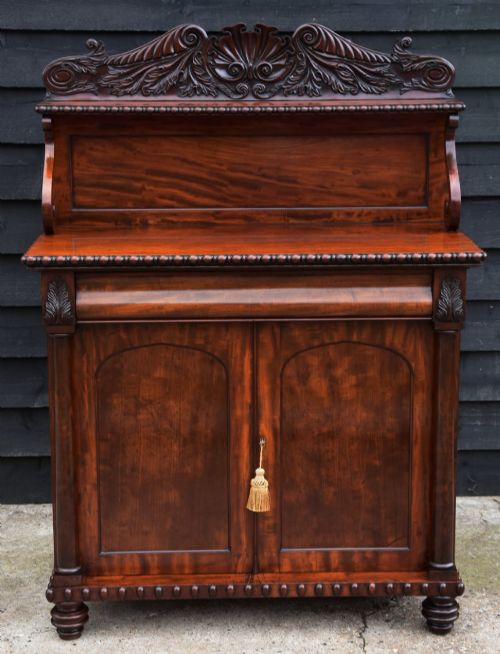
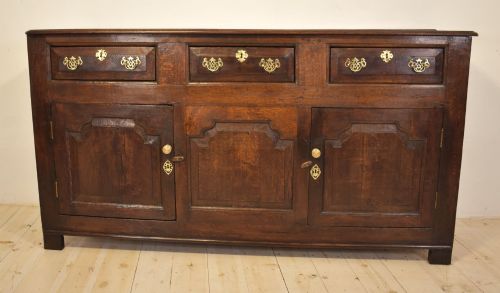
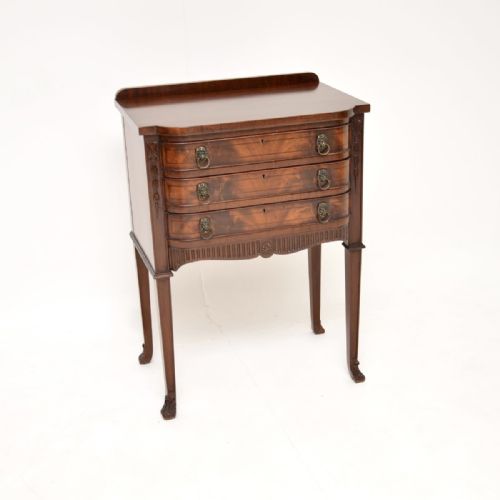
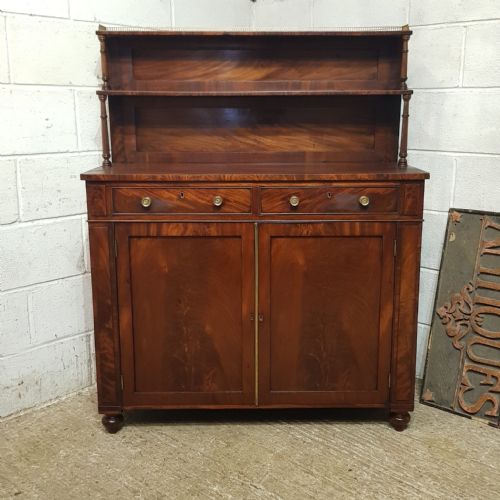
The most common examples encountered in these listings are constructed from oak or mahogany, often taking the form of low dresser bases, chiffoniers, or enclosed cupboards. Many incorporate drawers and panelled doors to conceal tableware and dining linens.
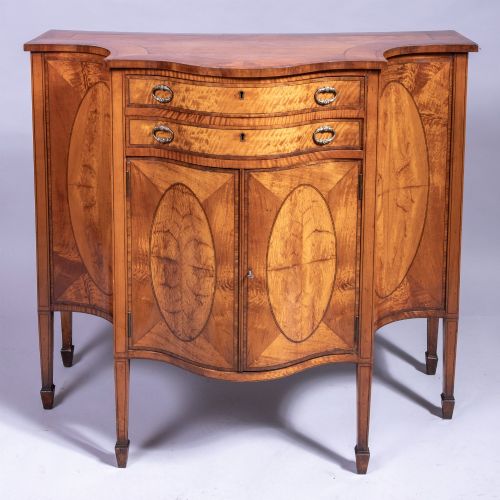
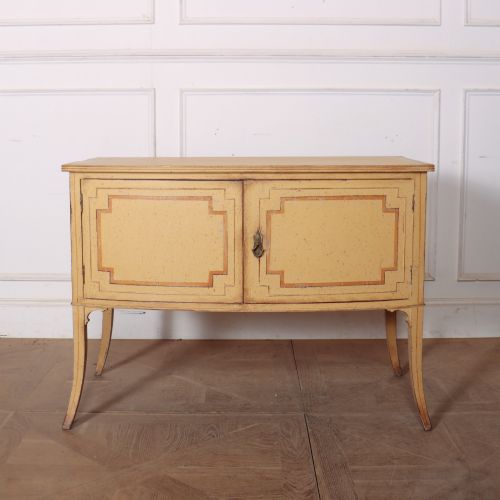
Regional variations appear frequently, ranging from solid English country oak examples to refined satinwood and mahogany pieces influenced by Sheraton designs. Buyers also encounter painted finishes and Welsh formats featuring pot boards.
How they were made
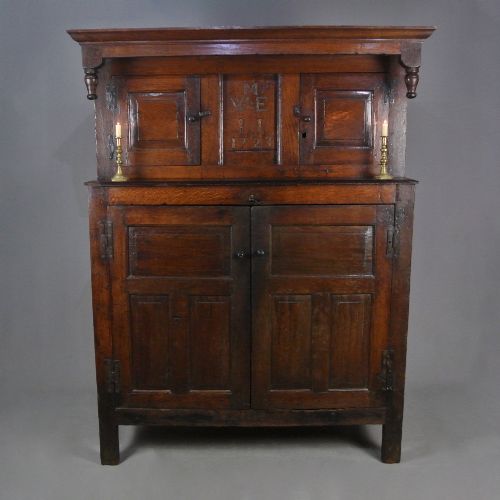
Makers utilised timber suited to the intended finish, relying heavily on sturdy oak for country pieces and rich mahogany or satinwood for formal reception rooms. Secondary woods such as pine appear in carcases and internal drawer linings.
Decorative techniques recorded in the evidence include marquetry in burr elm, rosewood, and satinwood, alongside subtle string inlay and moulded fronts. Brass handles and iron hardware secure doors and drawers while adding metallic contrast.
Joinery methods reflect the period of construction, from pegged frame-and-panel assemblies on eighteenth-century oak pieces to finer dovetailing on later mahogany and serpentine sideboards.
Listings feature oak, mahogany, pine, and satinwood pieces spanning the eighteenth to the early twentieth century.
What varies in quality
The choice of primary timber significantly influences the tier of a piece, separating utilitarian country oak furniture from finely figured curl-mahogany or marquetry-adorned satinwood cabinets intended for formal parlours.
Proportion and decorative restraint dictate visual success, where well-balanced serpentine fronts or disciplined string inlay demonstrate superior cabinet-making compared to heavier, unadorned carcases.
The preservation of original hardware, brass mounts, and painted or waxed surfaces distinguishes untouched period examples from later revivals and heavily altered items.
The Georgian Buffet Cupboard Glossary
- Breakfront
- A cabinet design where the central section projects forward from the flanking wings. This architectural layout creates depth and shadow across the front elevation.
- Chiffonier
- A compact sideboard or low cabinet typically fitted with enclosed doors below and sometimes a small shelf above. These pieces gained popularity during the Regency period.
- Dresser base
- The lower section of a traditional dining room storage unit featuring surface boards above banks of drawers or cupboards. They frequently lack the upper plate rack.
- Marquetry
- Decorative veneer work arranged in geometric or pictorial patterns using various coloured woods. Craftsmen cut contrasting timbers like satinwood and rosewood to fit flush within a surface.
- Pot board
- An open lower shelf built into traditional dresser bases and sideboards. Historically, this space held heavy pots and ceramic kitchenware.
Georgian Buffet Cupboard: Frequently Asked Questions
What is a georgian buffet cupboard?
A georgian buffet cupboard is a heavy storage item designed for dining rooms, typically combining drawers and lower cabinet space. These pieces served to store tableware, linen, and serving dishes.
They appear in various timbers including oak and mahogany, reflecting both formal urban workshops and country vernacular traditions.
How do I date an antique sideboard?
Dating relies on observing construction methods, timber choices, and stylistic traits like bracket feet or serpentine shaping. Eighteenth-century examples often utilise solid oak with pegged joinery.
Later nineteenth-century and revival pieces introduce machine-sawn elements, mahogany veneers, and specific hardware styles associated with the Regency or Edwardian eras.
Where were these cupboards used?
These cupboards functioned primarily in dining rooms, halls, and large country kitchens to organise household provisions and serving utensils. Their flat top surfaces doubled as serving spaces during meals.
In modern homes, they suit similar entertaining roles while providing concealed storage for dining accessories.
How do I care for antique wood furniture?
Maintenance involves keeping wooden surfaces away from direct heat sources and sudden humidity shifts to prevent timber splitting. Regular gentle dusting preserves the natural wax or polish.
Applying a traditional beeswax polish occasionally helps nourish older oak and mahogany finishes without sealing the grain.