

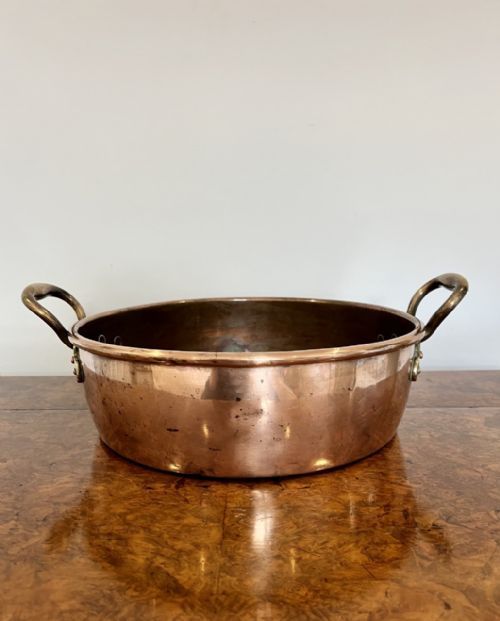
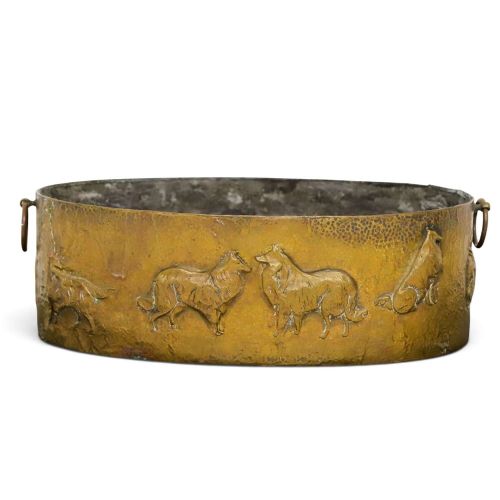
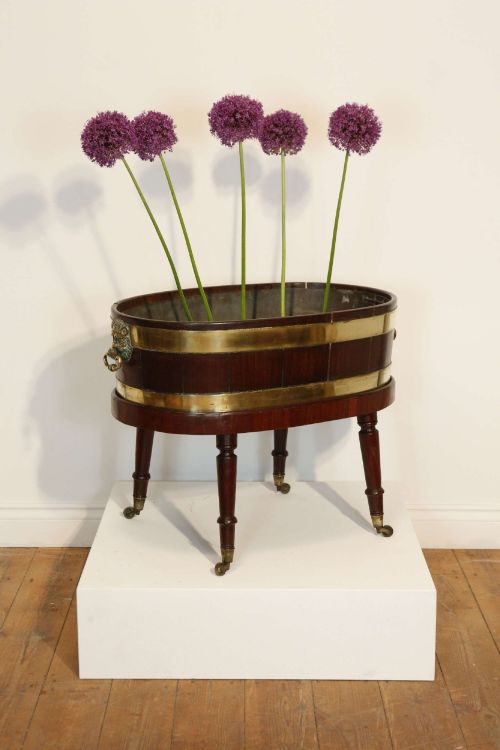
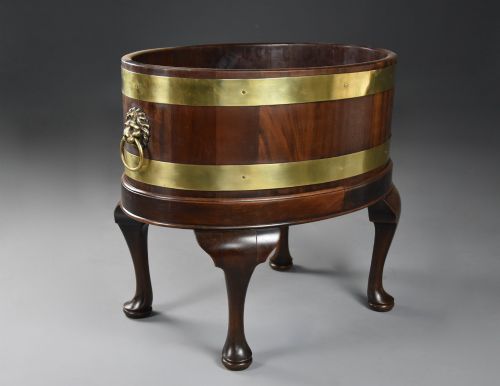





Georgian Brass Planter
A georgian brass planter brings centuries of craftsmanship into a room, offering a robust vessel that shifts effortlessly between practical storage and botanical display.
Georgian Brass Planter
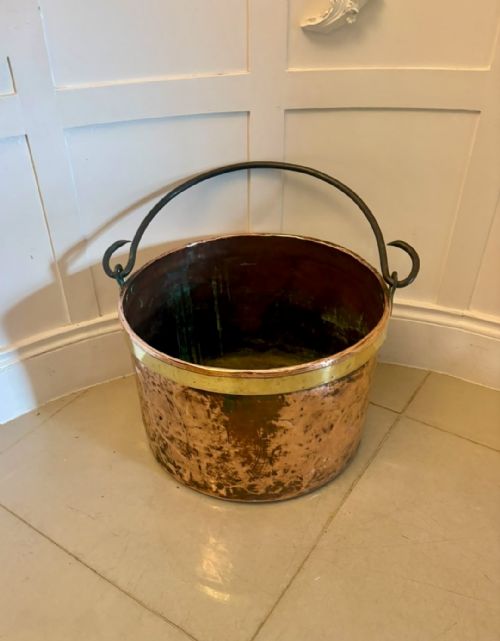
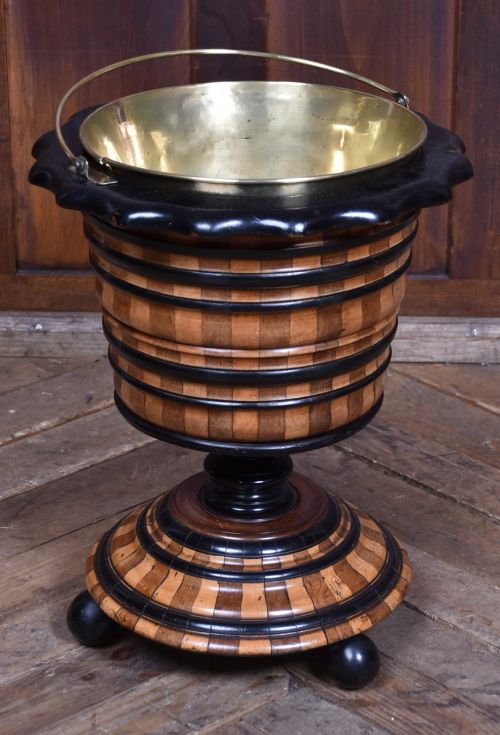
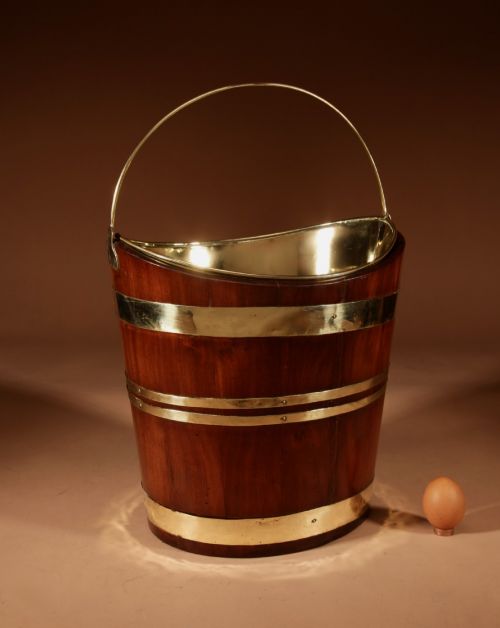
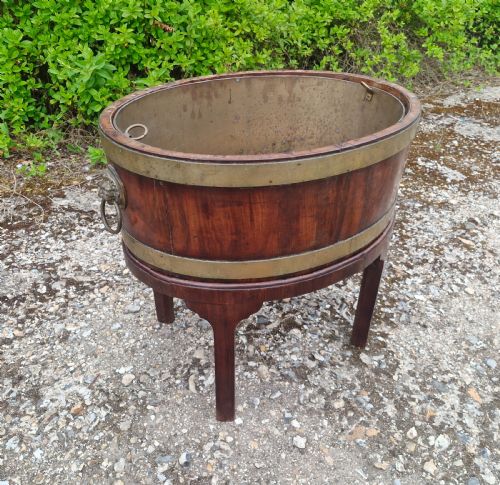
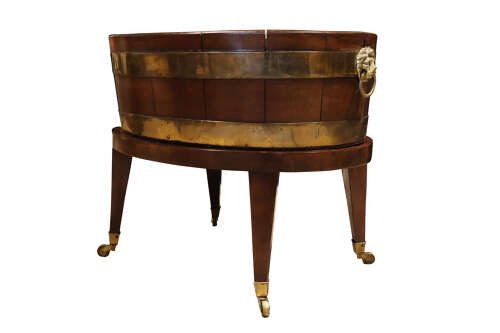
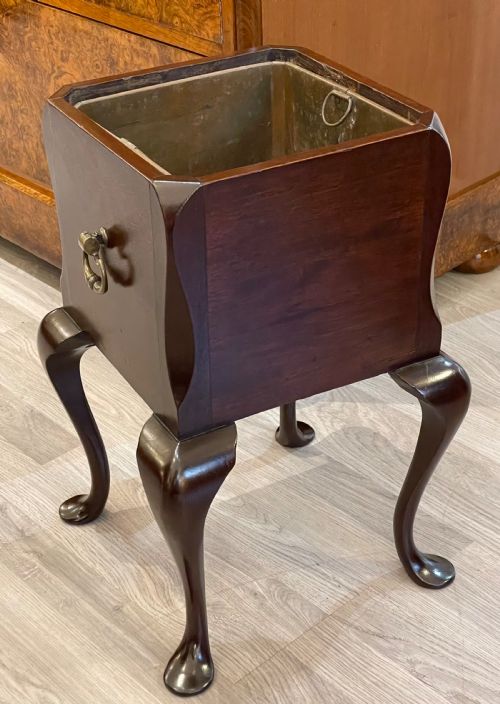
A georgian brass planter encompasses a diverse group of vessels, moving from coopered wine coolers and cellarettes to peat buckets, tea stoves, and traditional jardinieres.
Buyers meet pieces spanning the eighteenth and nineteenth centuries, including George III originals alongside later Dutch Neoclassical and Georgian Revival interpretations.
Many items recorded here double in function, serving equally as log bins, fireside buckets, or plant holders depending on the room.
How they were made
Craftsmen built bodies using solid timbers such as mahogany, walnut, satinwood, and rosewood, shaping them with traditional cooperage techniques.
Vessels feature heavy brass banding, rivets, and liners formed from brass or copper to protect the wood from moisture and peat.
Georgian Brass Planter Retail Price Guide 2026
Typical asking prices for georgian brass planter among the pieces listed under this phrase on Sellingantiques today, from the lower quarter to the upper quarter. They describe what is for sale here now, not the wider market.
What varies in quality
Distinction lies in the crispness of the timber grain, the weight and thickness of the brass mounts, and the fidelity of the cooperage work.
Original stands, fine marquetry inlay, and the integration of period liners elevate specific examples above standard utility pieces.
The Georgian Brass Planter Glossary
- Cellarette
- A lockable container used for holding bottles of wine, which often doubles as a planter in modern settings. These pieces feature sturdy wooden staves held together by metal bands.
- Teestoof
- A traditional Dutch footwarmer or small heating stove often adapted over time into a decorative planter or bucket. They frequently include metal liners.
- Coopered
- Built using wooden staves joined tightly together side by side, much like the construction of a barrel. This technique provides the curved structure for many buckets and bins.
- Jardiniere
- An ornamental pot or stand designed specifically to hold plants or flowers indoors. The term applies across various styles from the eighteenth and nineteenth centuries.
- Marquetry
- Decorative veneer work where pieces of various woods are fitted together to form geometric or pictorial patterns. It appears on finer examples from the period.
Georgian Brass Planter: Frequently Asked Questions
How do I use a planter today?
These vessels suit direct planting when fitted with a secure metal liner or serve as decorative cachepots for potted plants.
Beyond botany, they function beside fireplaces for logs or in living areas to hold magazines and blankets.
Were these always meant for plants?
Many examples began life as wine coolers, peat buckets, or tea stoves rather than dedicated garden vessels.
Adapting older coopered buckets for botanical displays is a traditional practice embraced for generations.
How do I date an older piece?
Examine the construction methods, timber choice, and the style of the brass banding and handles.
George III pieces display distinct proportions and joinery compared to later nineteenth-century revivals or Dutch imports.
How do I care for the wood and metal?
Keep wooden surfaces nourished with appropriate wax and protect interior liners from prolonged standing water.
Polish brass and copper components sparingly to preserve the aged patina accumulated over the decades.