




Georgian Bed Frame
A georgian bed frame brings architectural proportion and substantial timber to a bedroom, anchoring the room with historical presence.
Georgian Bed Frame
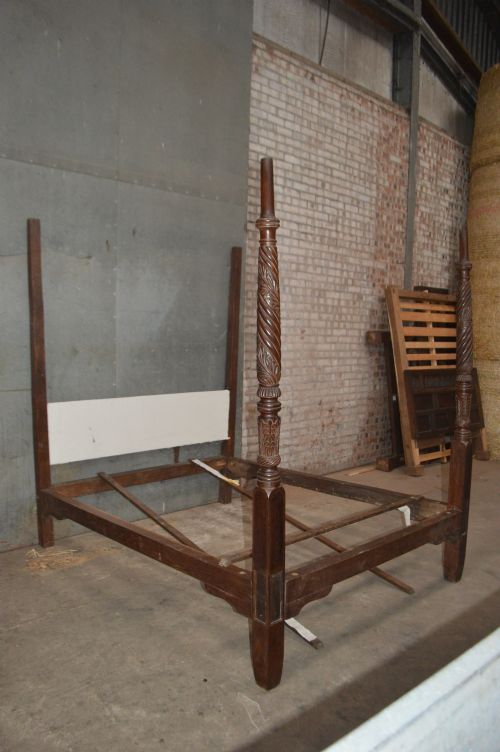
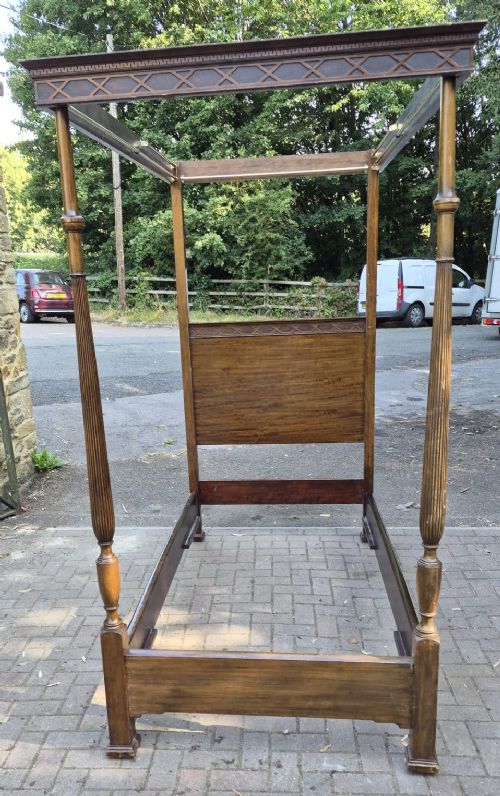
A georgian bed frame encompasses substantial sleeping furniture and related structural elements from the eighteenth and early nineteenth centuries, alongside later revivals. Buyers seeking a georgian bed frame will encounter four poster beds in rich timbers, alongside occasional bedheads, bedside tables, and iron or brass variations.
The selection ranges from genuine eighteenth-century examples to later nineteenth-century revivals and twentieth-century interpretations in the georgian style. Forms span from simple iron and brass constructions to grand mahogany four poster beds reflecting the proportions of the period.
Originating across the georgian, regency, and subsequent revival periods, these frames bring distinct historical character to an interior. The material palette leans heavily on timber, supplemented by metalwork where iron and brass structures meet wood.
How they were made
Cabinetmakers constructed these frames primarily from mahogany, utilising the dense grain and rich colour characteristic of the timber. Joinery was substantial and precise, designed to support heavy tester frames and drapery without compromising stability.
Alternative structural methods employed iron and brass alongside timber components, particularly in simpler or later nineteenth-century iterations. Surface finishing relied on traditional polishing techniques that enhanced the natural figures of the wood rather than masking them.
Georgian Bed Frame Retail Price Guide 2026
Typical asking prices for georgian bed frame among the pieces listed under this phrase on Sellingantiques today, from the lower quarter to the upper quarter. They describe what is for sale here now, not the wider market.
Listings span multiple periods from the eighteenth century through to Edwardian revivals, predominantly featuring mahogany alongside iron and brass.
What varies in quality
Proportion and scale distinguish the finer examples from heavier, less successful proportions. The architecture of the posts and the crispness of any carved detail dictate the visual success of the piece.
Timber selection plays a major role, with well-figured mahogany commanding greater presence than plainer secondary woods. The integrity of the original construction and the survival of core structural timbers determine the durability of the frame.
Howard & Sons
The Georgian Bed Frame Glossary
- Four poster bed
- A bed featuring four vertical posts that support an upper tester or canopy frame. These structures often display significant timber turning and carving.
- Tester
- The canopy or ceiling frame suspended above a four poster bed. It traditionally carried curtains and drapery to retain heat and provide privacy.
- Bedhead
- The vertical headboard portion of a bed structure, often surviving independently as a decorative element. They frequently display stylistic markers of the Chippendale or later revival periods.
- Chippendale style
- A classic eighteenth-century design vocabulary associated with Thomas Chippendale, characterised by balanced proportions and skilled carving. Pieces in this style often utilise mahogany and refined joinery.
- Regency
- A style period spanning the early nineteenth century, marked by a turn towards classical Greek and Roman influences. Furniture from this era often incorporates bolder brass mounts and restrained classical lines.
Georgian Bed Frame: Frequently Asked Questions
How do I choose the right size?
Consider the scale of the room and the height of the ceiling before selecting a large four poster frame. Measure doorways and stairwells carefully, as these historic frames can present logistical challenges during delivery and installation.
Ensure that modern mattress dimensions align with the internal proportions of the bed base. Many historical frames require custom mattress sizing or slight structural adaptations for daily use.
How were four poster beds used?
Four poster beds were designed to retain warmth and offer privacy in draughty historical houses by enclosing the sleeping area with heavy curtains. The upper tester frame supported fabric pelmets and drapes that transformed the bed into a private room within a room.
Over time, the decorative function overtook the practical need for insulation. The exposed carved posts and testers became primary displays of wealth and craftsmanship in grand chambers.
How do I care for mahogany timber?
Dust the timber regularly with a soft, dry cloth to prevent the accumulation of grit that can scratch the polished surface. Avoid placing the frame near direct heat sources or strong sunlight, which can dry out and fade the wood over time.
Apply traditional beeswaxes sparingly to nourish the grain and maintain the natural lustre of the finish. Heavy commercial silicone polishes should be avoided as they build up residue and attract dust.
How do I tell original pieces from revivals?
Examine the construction methods, tool marks, and timber shrinkage to determine the age of the frame. Eighteenth-century joinery often reveals hand-cut joints and timber characteristics distinct from later nineteenth-century or Edwardian reproductions.
Compare the stylistic details against known periods, noting that revival pieces often mix design elements from different decades. A careful inspection of secondary woods and internal framing will usually clarify the true date of manufacture.