




Georgian Art Collectable
A georgian art collectable brings domestic history into your hands, offering small, tactile pieces of daily life from centuries past.
Georgian Art Collectable
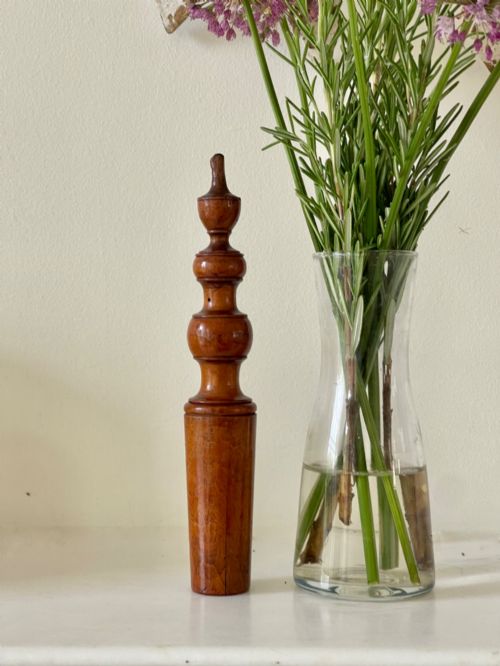
A georgian art collectable encompasses small decorative objects, treen, and portrait miniatures originating from the eighteenth and nineteenth centuries. These items range from personal accessories to miniature games and drinking vessels used in daily life.
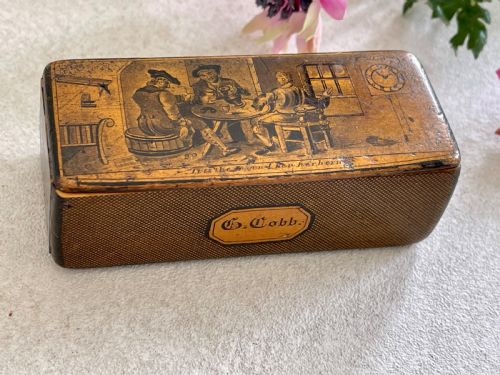
Wooden snuff boxes and treen toys dominate the forms available, often carved from fruitwood, sycamore, or hardwood. Collectors encounter various practical items transformed into decorative keepsakes through meticulous carving and pen work.
Materials and construction
Makers utilised a range of natural materials including hardwood, fruitwood, sycamore, and coconut shell to shape these functional objects. Straw work and paper provided surfaces for intricate decorative patterns applied by hand.
Carving, turning on a lathe, and detailed pen work formed the primary techniques for decorating treen and snuff boxes. Ink added fine lines and lettering to surfaces, while natural nuts such as coquilla provided dense material for intricate relief carving.
Georgian Art Collectable Retail Price Guide 2026
Typical asking prices for georgian art collectable among the pieces listed under this phrase on Sellingantiques today, from the lower quarter to the upper quarter. They describe what is for sale here now, not the wider market.
Listings span both the eighteenth and nineteenth centuries, featuring works created in wood, straw, paper, and coconut shell.
Assessing quality
Quality rests upon the crispness of the carving and the intricacy of the surface decoration, whether in straw work or pen work. Smoother finishes and well-preserved natural patination on hardwoods elevate a piece above standard utility items.
Finer portrait miniatures demonstrate superior skill in facial proportions and handling of ink or pigments. The complexity of form, such as articulated elements in treen toys or detailed screw threads on boxes, distinguishes masterwork from basic production.
G Cobb
The Georgian Art Collectable Glossary
- Treen
- Small handmade wooden items for domestic or personal use. This broad category covers everything from kitchen utensils to small toys and boxes.
- Snuff Box
- A small hinged container designed to hold powdered tobacco. These pocket-sized objects were often heavily decorated with carving or straw work.
- Straw Work
- A decorative technique using flattened cereal straw applied in geometric patterns to wooden boxes. The straw catches the light to create shimmering surface textures.
- Coquilla Nut
- The hard seed of the South American piassava palm. It became a favoured material for intricate Victorian and Georgian carvings due to its fine grain.
- Portrait Miniature
- A small, highly detailed painting depicting a person. These intimate works were often framed for personal keepsakes.
Georgian Art Collectable: Frequently Asked Questions
What defines a georgian art collectable?
These items comprise small decorative and functional objects produced during the Georgian and early nineteenth centuries. They include carved wooden treen, portrait miniatures, and personal containers.
Such pieces reflect the material culture and domestic habits of the period, often showcasing specialised craft techniques like prisoner-of-war straw work.
How were snuff boxes used?
Snuff boxes held dry tobacco powder that users inhaled for social stimulation. Wealthy and middle-class owners carried these small containers in pockets for easy access during gatherings.
Carvers decorated the lids with intricate scenes, portraits, or geometric patterns to spark conversation among peers.
What is treen?
Treen refers to small, functional wooden objects made before mass production standardism took over. Items range from toys like cup-and-ball games to spoons and shoe-shaped boxes.
Collectors prize treen for the visible tool marks and the warm patination developed through decades of handling.
How do I care for wooden collectables?
Keep wooden boxes and treen away from direct sunlight and extreme humidity to prevent timber splitting. Gentle dusting with a dry, soft cloth preserves the historic surface patination.
Avoid applying modern waxes or polishes unless necessary, as they can alter the historic finish built up over centuries.