



Georgian Architectural Art
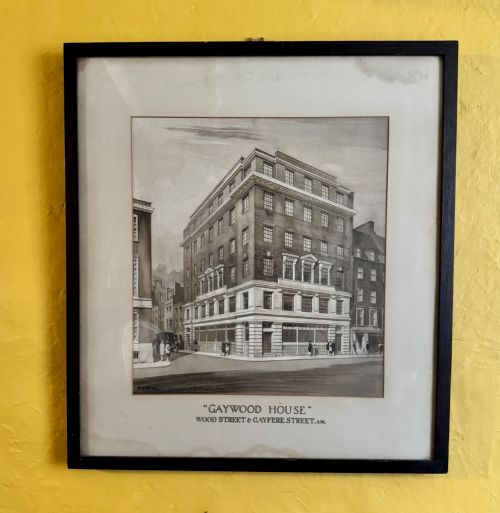
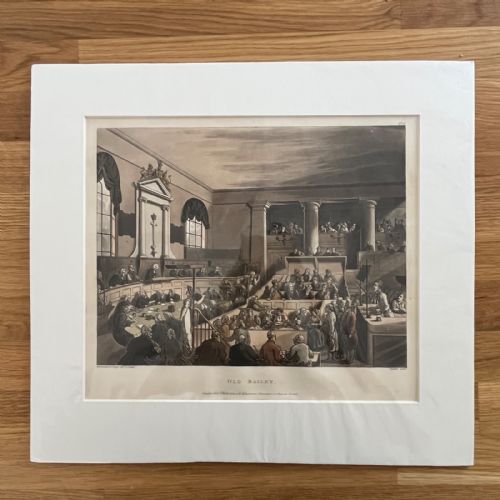
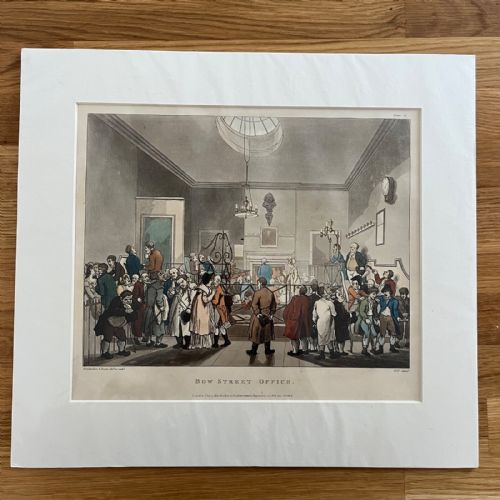
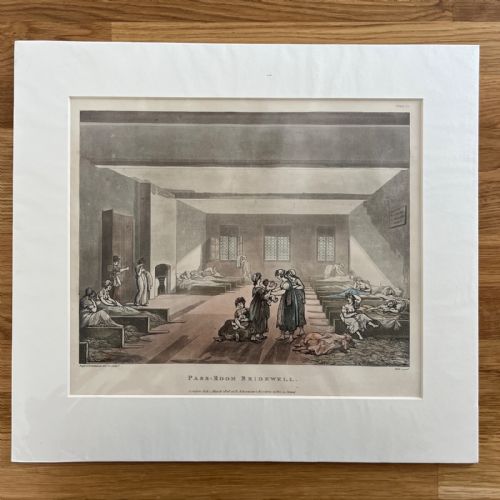
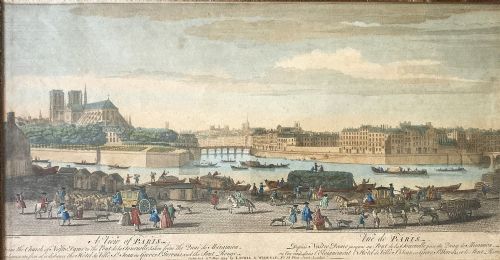
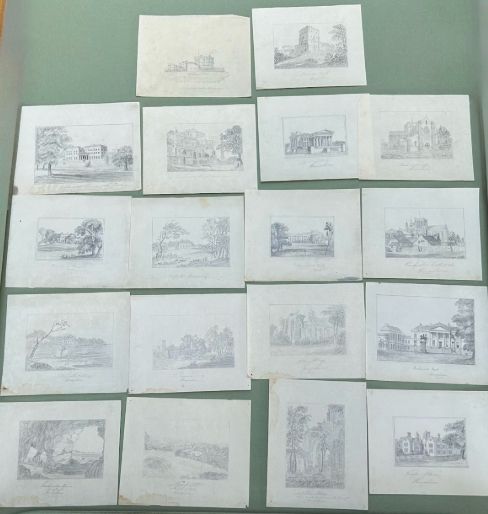
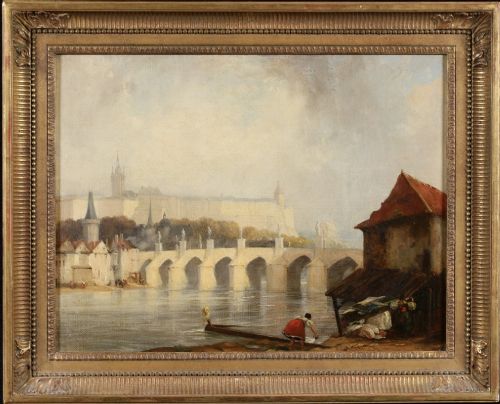
Georgian architectural art encompasses period prints, engravings and oil paintings depicting classical ruins, country houses and grand interiors.
Georgian Architectural Art
Georgian architectural art comprises works originating from the eighteenth and nineteenth centuries that record buildings, urban landscapes, and classical ruins. Buyers exploring this category encounter framed engravings, pencil sketches, and oil paintings created during periods spanning the Georgian era and the Victorian age.
The objects take several forms, ranging from detailed architectural plates of temples and cathedrals to oil paintings of country houses and romantic ruins. Many pieces capture the Grand Tour aesthetic through depictions of classical antiquity and European townscapes.
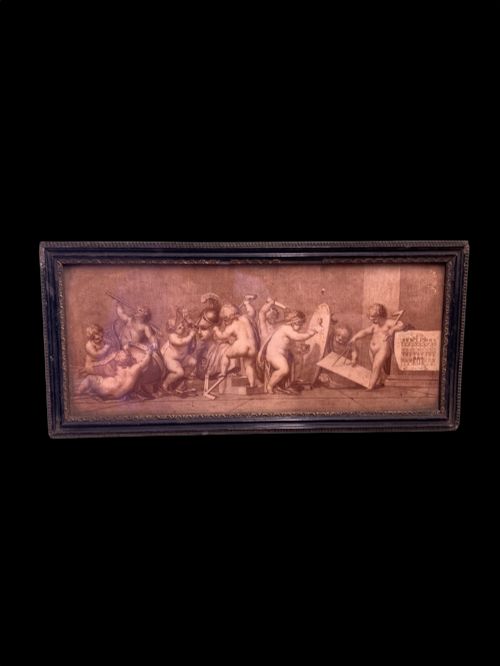
Engravings and etchings published in plates form a substantial share of these offerings, often produced on paper using ink alongside hand colouring. Original paintings utilise oil on canvas or oak panel, showing subjects from British and continental settings.
Materials and techniques
Makers utilised paper and ink for printed works, frequently applying hand colouring or watercolour over engraved lines to define architectural details and landscapes. Copper plates enabled the production of precise architectural engravings documenting classical columns, temples, and antiquities.
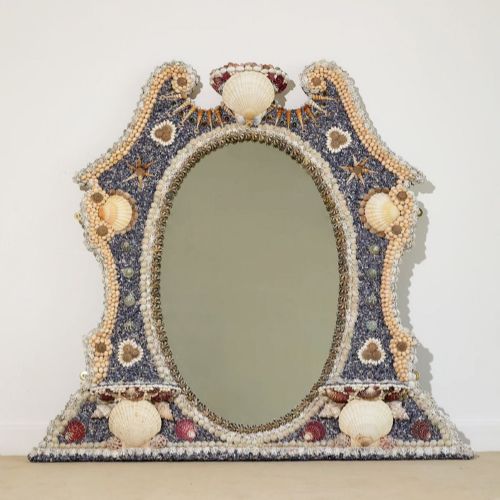
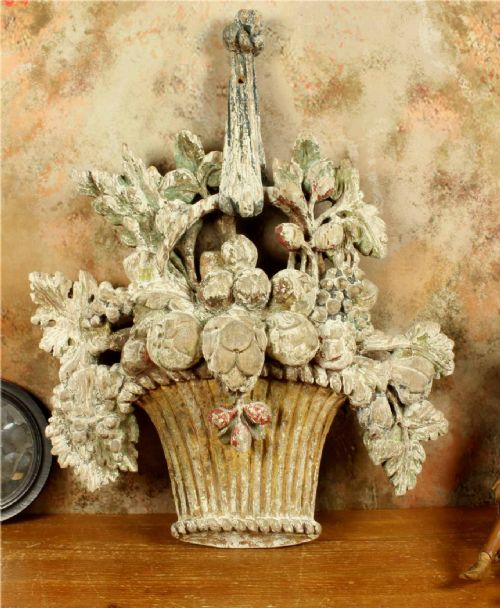
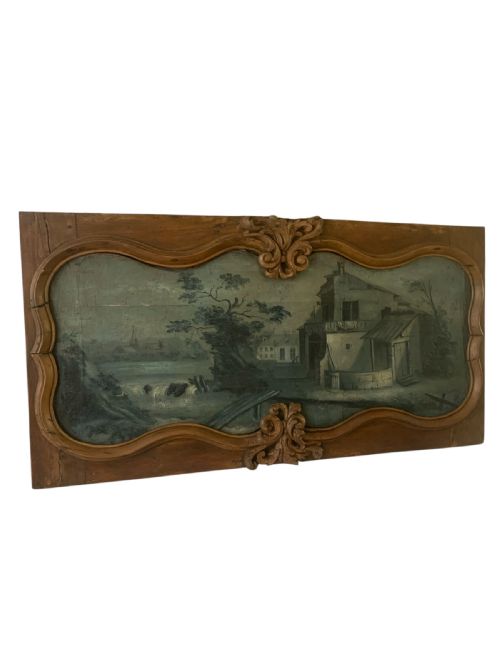
Painters applied oil on canvas or oak panels using pigments to construct architectural scenes, cityscapes, and country house prospects. Sculptural wall elements such as plaster casts, wood carvings, and giltwood frames incorporate carved ornamentation reflecting neoclassical and French rococo styles.
Georgian Architectural Art Retail Price Guide 2026
Typical asking prices for georgian architectural art among the pieces listed under this phrase on Sellingantiques today, from the lower quarter to the upper quarter. They describe what is for sale here now, not the wider market.
Listings feature paper, oil on canvas, oak panels, and plaster casts across the Georgian and Victorian periods.
Distinctions in quality
Quality in these works rests upon the precision of the draughtsmanship and the clarity of the architectural perspective. Finely executed engravings maintain sharp architectural lines and distinct plate marks, while superior oil paintings demonstrate accomplished handling of light across classical ruins and stonework.
The sophistication of the secondary materials, such as period maple frames, original gold leaf, and authentic hand colouring, elevates the standard of the piece. Works linked directly to documented artists or established publication projects carry greater visual and historical authority.
Giovanni Paolo Panini·Francesco Piranesi·Sir Francis Leggatt Chantrey·George Lambert·John Cawthorn·James Basire·Peter Tillemans
The Georgian Architectural Art Glossary
- Engraving
- A printmaking technique where an artist cuts lines into a metal plate to hold ink. This method produces the fine, precise architectural lines seen in eighteenth-century plates.
- Grand Tour
- An extended journey through continental Europe undertaken by wealthy young men to study classical art and architecture. Such travels inspired many of the ruin paintings and antiquarian prints collected during the period.
- Neoclassical
- A style of art and architecture drawing inspiration from the classical art and culture of ancient Greece and Rome. This aesthetic dominates the proportions and motifs found in Georgian building studies.
- Lithograph
- A planographic printmaking method based on the chemical repulsion of oil and water. It allowed artists to reproduce architectural drawings and church interiors with tonal depth.
- Oil on oak panel
- A traditional painting support utilising a prepared wooden board rather than canvas. It provides a rigid base for detailed architectural landscapes and estate prospects.
Georgian Architectural Art: Frequently Asked Questions
What subjects appear in georgian architectural art?
These works depict classical ruins, cathedrals, country houses, urban landscapes, and ancient temples from British and European locations.
Artists recorded these structures through detailed engravings, oil paintings, ink sketches, and watercolours.
How were these prints and paintings displayed?
Period works typically hang in traditional frames made of wood, maple, or giltwood to complement domestic interiors.
Owners historically placed them in libraries, studies, and drawing rooms as part of an educated antiquarian collection.
How do I identify an eighteenth century engraving?
Eighteenth-century engravings display crisp ink lines on aged paper, frequently accompanied by plate marks where the printing press pressed the metal sheet.
Many bear inscriptions naming the draughtsman, publisher, or specific classical building depicted.
What is the difference between an etching and an engraving?
Engravings rely on direct cutting tools to carve lines into metal plates, whereas etchings utilise acid to bite the design into the surface.
Both techniques produced the sharp architectural illustrations popular during the Georgian period.