
Georgian Artwork
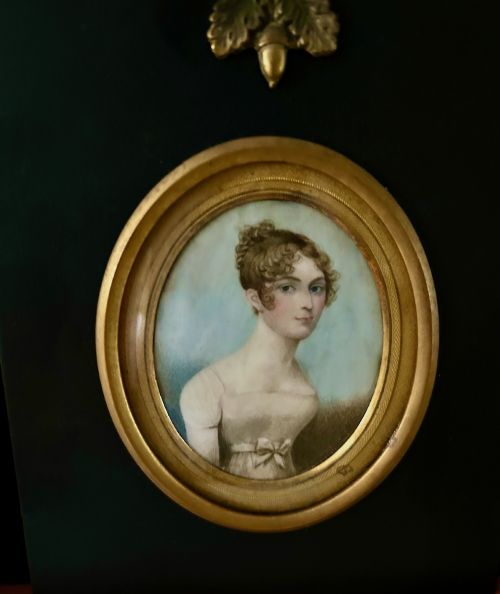
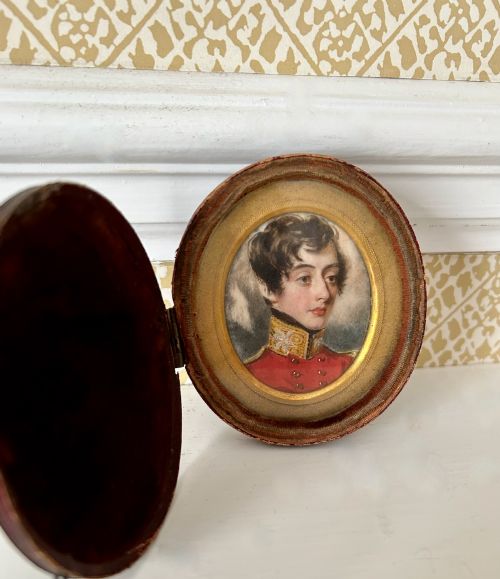
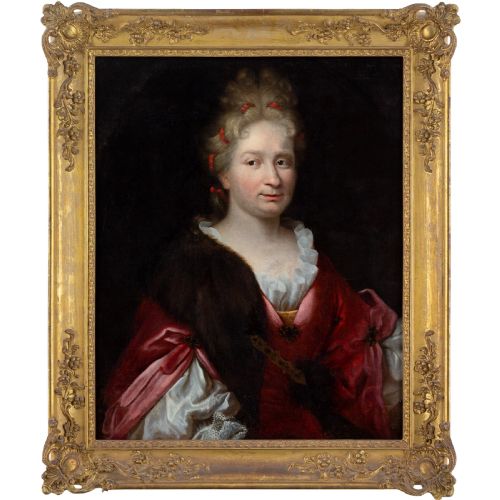
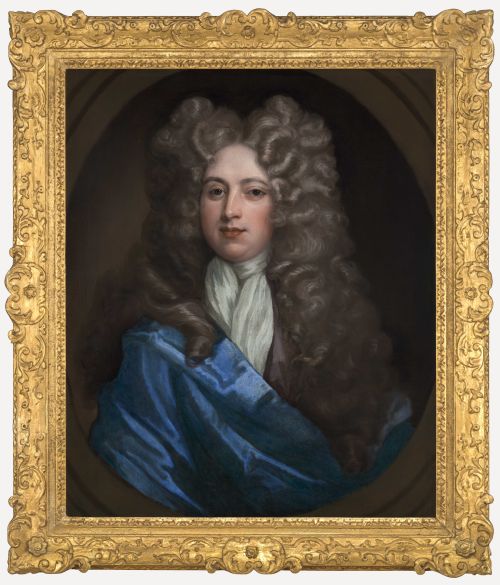
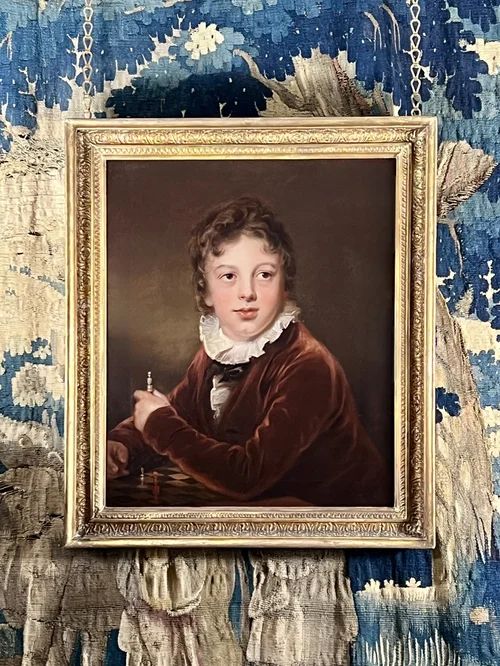
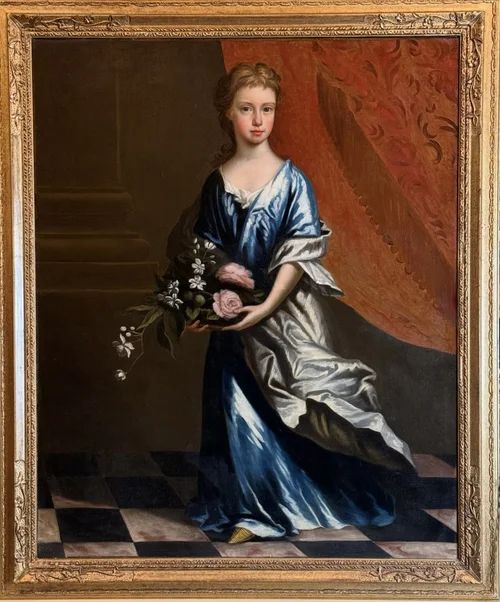
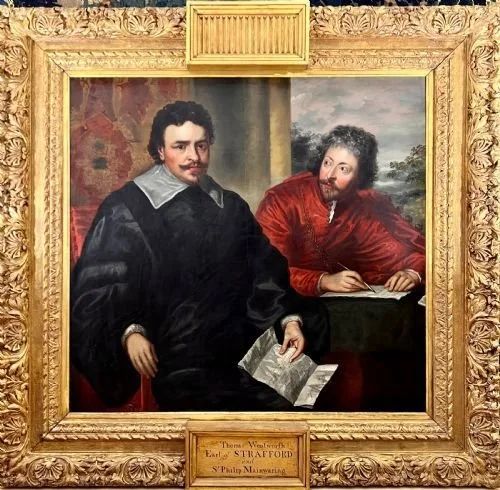
When you search for georgian antique artwork, you encounter framed portraits, silhouettes and oil paintings spanning the eighteenth and nineteenth centuries.
Georgian Artwork
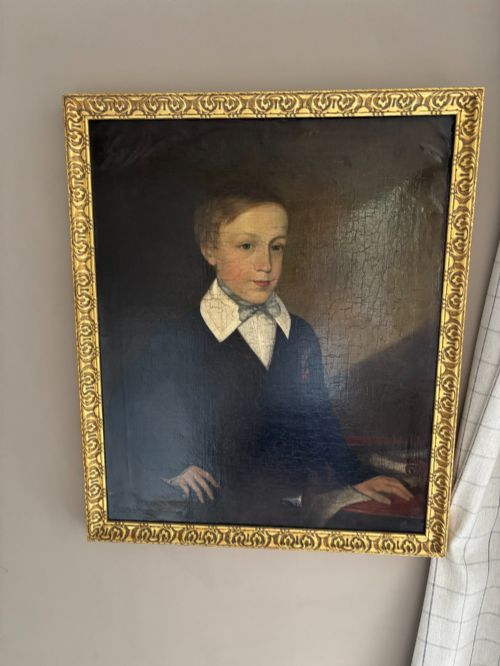
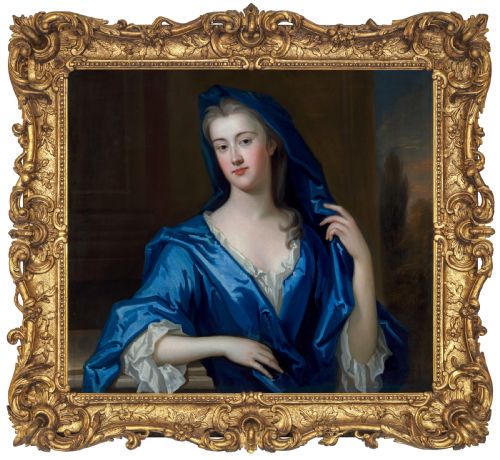
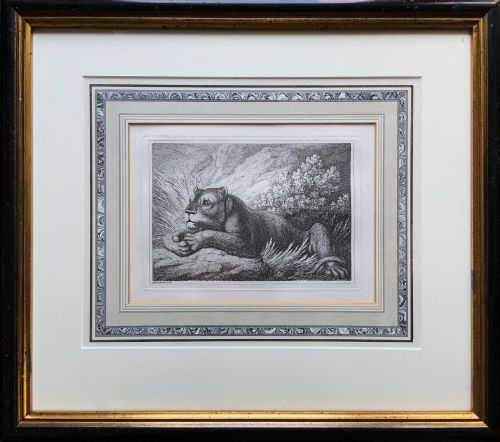
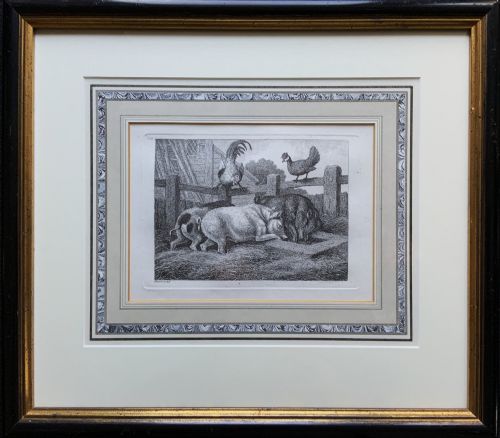
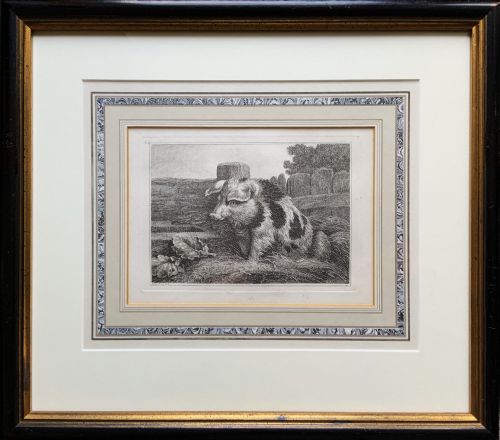
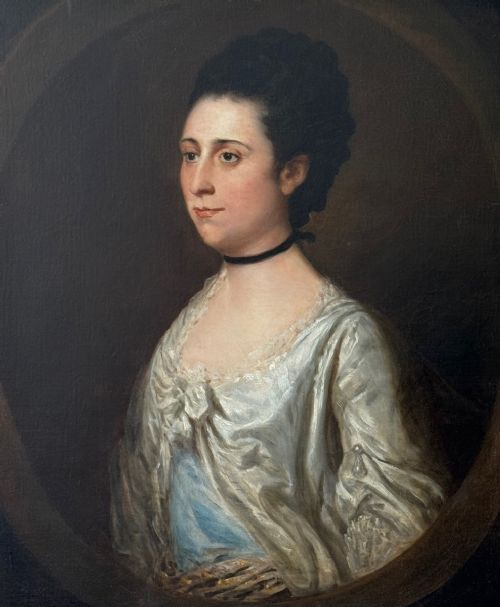
Georgian antique artwork encompasses oil paintings, watercolours, engravings and silhouettes created during the eighteenth and nineteenth centuries.
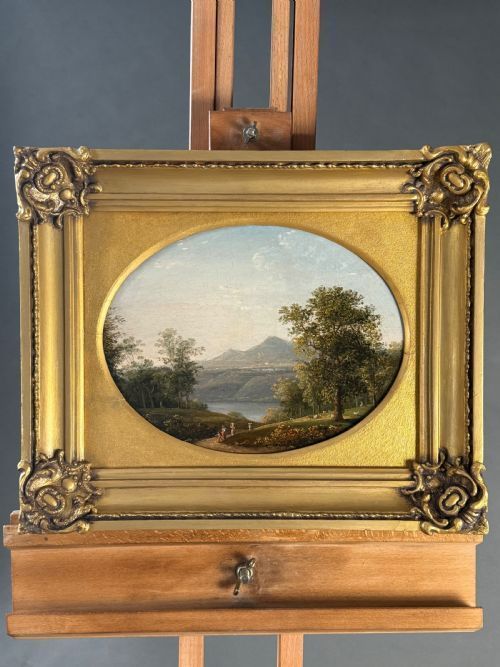
The selections on this page feature formal portraits, genre scenes and classical studies originating from British and European schools.
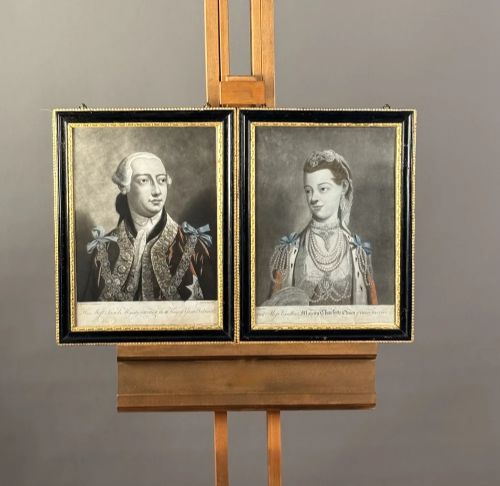
Buyers frequently find framed prints, mezzotints and panel paintings reflecting the Regency and Neoclassical styles of the period.
How They Were Made
Works utilise traditional mediums including oil on canvas, ink, watercolours and cut paper mounted within wooden or giltwood frames.
Printmakers employed mezzotint and engraving techniques on paper, occasionally applying reverse painting methods directly onto glass.
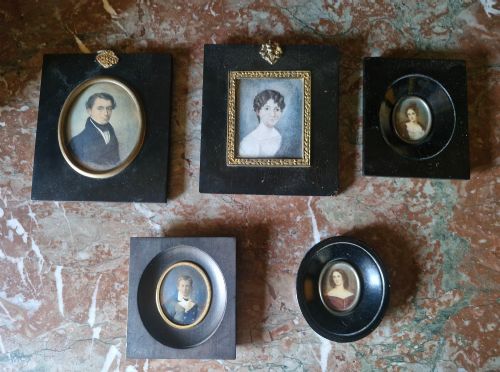
Makers integrated gold leaf and fine pigments to build layered portraits and detailed miniatures.
One cheerful silhouette captures a young girl accompanied faithfully by her small dog.
What Varies in Quality
The standard of execution depends upon the precision of brushwork in oil portraits and the sharpness of line in cut paper silhouettes.
Material preservation dictates value, with intact original gilding, clear paper and stable canvas surfaces marking superior examples.
Attribution to documented artists or established studios elevates the standing of a piece within the broader range.
John Simon·Michael Dahl·Edward Fisher·Sir Joshua Reynolds·William James Hubard·Jean-Baptiste Van Loo·Joseph Clover·Leonardo Da Vinci·Sir Martin Archer Shee·John Smith·G Kneller·George Willison·John Opie·James Watson·Jeremiah Davison·Charles Spooner·William Joseph Shayer Senior·Thomas John Horsley·Horace Hone·Sir Thomas Lawrence
The Georgian Artwork Glossary
- Mezzotint
- A printmaking process of the print genre where the artist works from dark to light by roughening the copper plate. This technique allows for rich tonal variations and subtle shading.
- Silhouette
- A profile portrait cut from black paper or painted on card, popular during the Regency era. Skilled artists captured likenesses with fine scissors or brushwork.
- Giltwood
- Wood carved and coated with gold leaf or gold paint, commonly used for framing artwork. It provides a reflective, ornate border suited to classical pieces.
- Reverse painting on glass
- An application of pigment directly to the back of a glass panel viewed from the front. This method creates a glossy surface finish unique to early decorative works.
Georgian Artwork: Frequently Asked Questions
How do I identify a Georgian silhouette?
Georgian silhouettes typically feature meticulous cut paper profiles mounted on card or painted with delicate watercolour details. Many bear period signatures or gallery labels on the reverse.
Examine the framing and backing materials to confirm age, as genuine pieces use old timber and handmade paper consistent with eighteenth and nineteenth century production.
What is a mezzotint portrait?
A mezzotint is a print created by roughening a metal plate to hold ink, producing rich gradients and soft shadows. These prints frequently reproduce famous oil paintings by artists like Sir Joshua Reynolds.
Collectors prize them for their velvety dark tones and historical connection to prominent figures of the Georgian period.
Where should I hang antique artwork?
Hang these works away from direct sunlight and excessive moisture to protect delicate watercolours, paper silhouettes and oil on canvas surfaces. Stable indoor environments prevent the degradation of aged timber and giltwood frames.
Pairing framed prints or portraits together on a neutral wall highlights their period characteristics without overwhelming the room.
Are these works signed by the artist?
Some pieces feature artist signatures, monograms or inscriptions detailing the sitter and the creator directly on the canvas, paper or frame. Others remain attributed to specific schools or circles based on style and technique.
Documentation within the title often reflects historical attribution recorded by previous handlers and galleries.