



George V Silver Jewellery Box
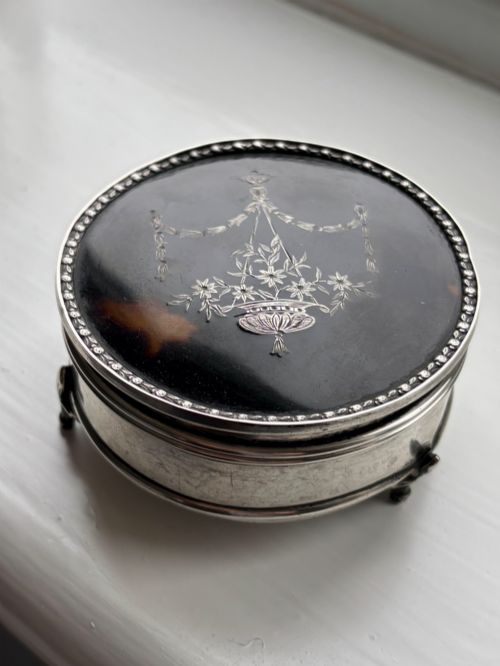
A george v silver jewellery box sits on the dressing table to hold small treasures while bringing early twentieth-century elegance to the room.
George V Silver Jewellery Box
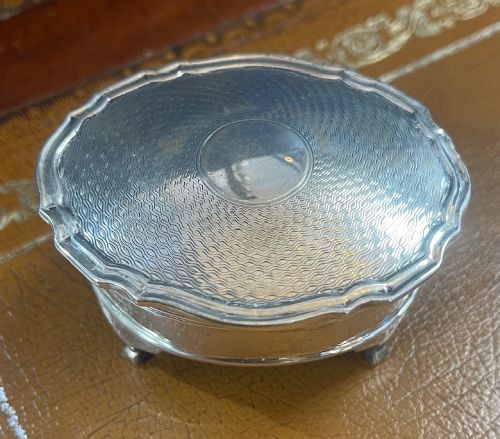
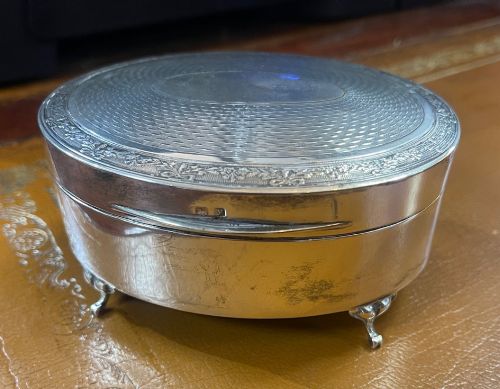
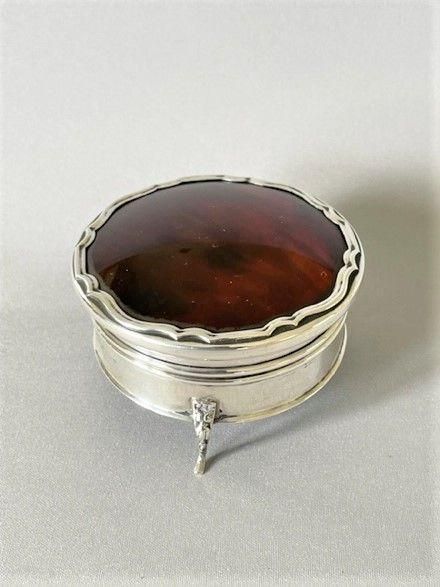
A george v silver jewellery box is a compact container designed for trinkets, rings, and dressing table accessories. Most examples seen here date from the nineteen-tens and nineteen-twenties, reflecting the predominant periods of this era.
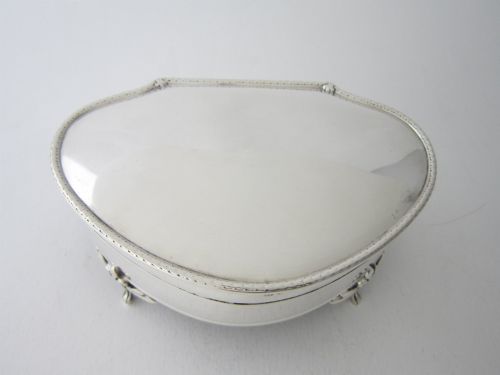
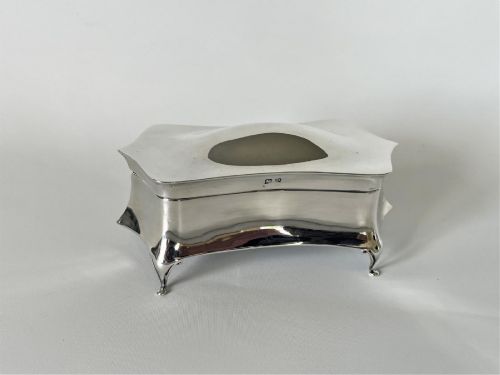
The forms vary from simple rectangular trinket boxes to heart-shaped receptacles and dressing table boxes. These pieces originate from English assay offices, carrying hallmarks that anchor them precisely within the early twentieth century.
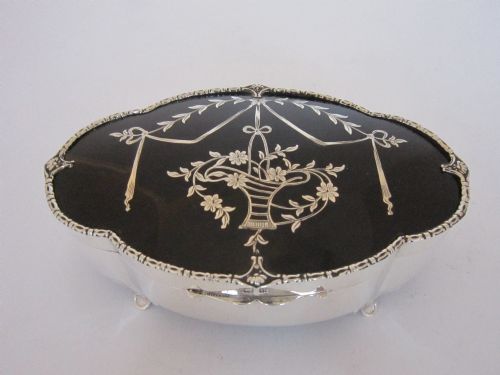
Buyers frequently encounter variants that incorporate contrasting materials on the lid, blending metalwork with organic elements. Such pieces combine practical storage with the refined tastes of Neoclassical Revival styling.
How they were made
Silversmiths constructed the bodies from sterling silver, shaping the metal to form hinged lids and supportive collars. Assay offices in London, Birmingham, and Chester applied hallmarks to certify the metal standard.
Lids often feature inset panels of tortoiseshell or faux tortoiseshell secured within the silver frame. Interiors are typically lined with velvet to cushion delicate rings and trinkets.
Certain variants employ ebonised wood to create a dark, contrasting chassis for silver mounts and trays. Craftspeople joined these mixed materials with careful mechanical fastenings appropriate for dressing table wares.
George V Silver Jewellery Box Retail Price Guide 2026
Typical asking prices for george v silver jewellery box among the pieces listed under this phrase on Sellingantiques today, from the lower quarter to the upper quarter. They describe what is for sale here now, not the wider market.
Materials recorded across these items include sterling silver, tortoiseshell, faux tortoiseshell, ebonised wood, and velvet.
What varies in quality
The distinction between standard and superior pieces rests on the weight of the metal and the crispness of the Neoclassical Revival detailing. Thicker silver sheets resist denting and maintain tighter closures on their hinges.
Lid materials introduce another tier of distinction, particularly when genuine tortoiseshell displays rich amber figuring rather than plain dark tones. The quality of the interior velvet lining and the precision of the maker's mark further elevate a piece.
Ollivant & Botsford·Henry Williamson Ltd
The George V Silver Jewellery Box Glossary
- Hallmark
- Official stamps struck into precious metals to indicate the maker, assay office, and year of testing. These marks provide the definitive date for English silver.
- Sterling silver
- A silver alloy containing 92.5 percent pure silver and 7.5 percent other metals, usually copper. This standard composition forms the primary material of these boxes.
- Tortoiseshell
- A mottled brown and yellow material derived from the shell of certain turtle species, used as an inset panel on decorative lids. Antique pieces frequently utilise this organic element.
- Ebonised wood
- Timber treated to resemble ebony, presenting a dense black finish that contrasts with silver mounts. This technique provides a dark structural frame for trays and boxes.
- Neoclassical revival
- An artistic movement reviving classical Greek and Roman motifs, visible in the symmetry and decorative borders of these boxes. This style defines the aesthetic of the period.
George V Silver Jewellery Box: Frequently Asked Questions
What is a george v silver jewellery box used for?
These boxes were originally designed for dressing tables to hold rings, cufflinks, and small trinkets safely. Today they serve the same practical purpose while displaying period craftsmanship in a modern home.
Their compact size makes them ideal for placing on bedside tables or chest of drawers for daily use.
How do I date a george v silver jewellery box?
Dating relies on the official hallmarks stamped into the silver, which record the assay office and the specific year letter. English silver from this era carries clear marks from cities like Birmingham, Chester, and London.
Style also helps indicate the decade, moving from Edwardian influences into the distinct Neoclassical Revival forms of the nineteen-twenties.
Are tortoiseshell lids genuine on these boxes?
Many period boxes feature genuine tortoiseshell panels set into the silver lid, displaying natural amber and brown patterns. Other examples utilise faux tortoiseshell materials developed during the early twentieth century.
Close inspection under good light reveals the organic depth of true shell versus synthetic alternatives.
How should I care for the velvet interior?
The velvet lining requires gentle maintenance, keeping it free from dust and moisture to protect delicate stored items. Avoid liquid cleaners near the fabric to prevent staining the interior.
Silver polish should be used strictly on the metal components, taking care not to touch the lining or tortoiseshell.