



George V Silver Gift
George v silver gift items are marked by heavy sterling construction and tactile charm, offering timeless utility and display presence.
George V Silver Gift
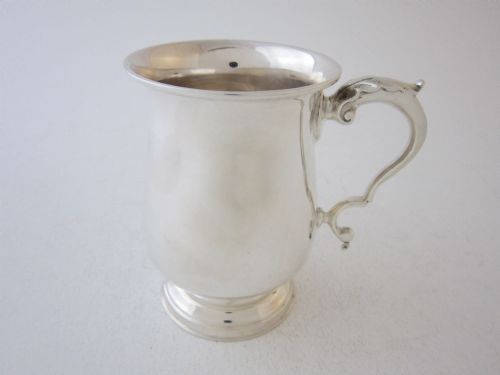
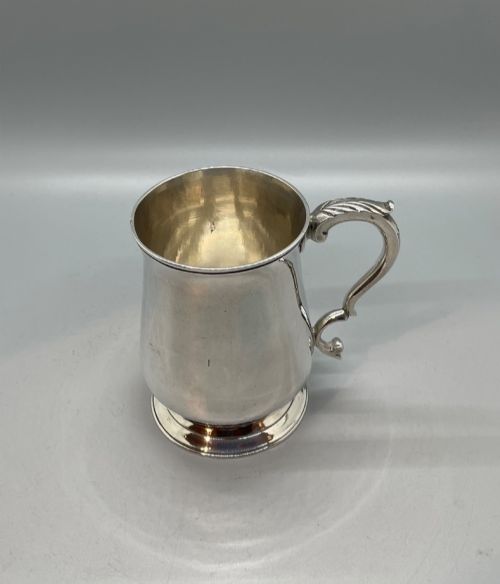
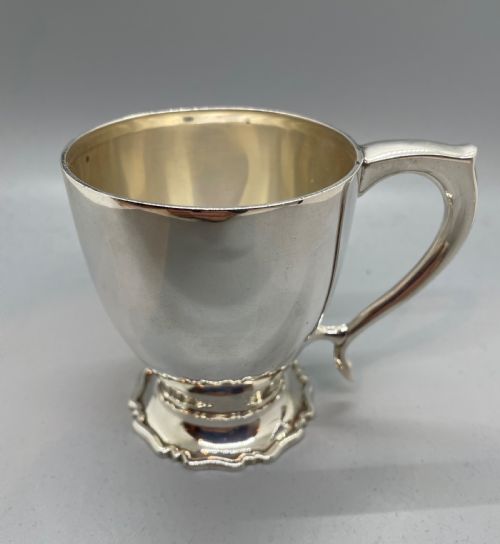
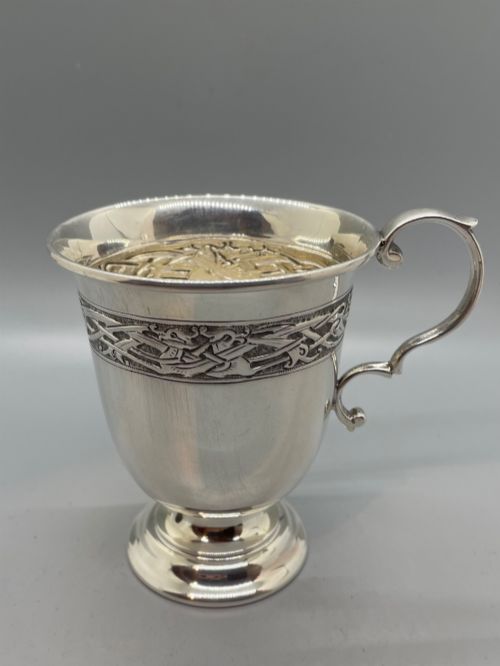
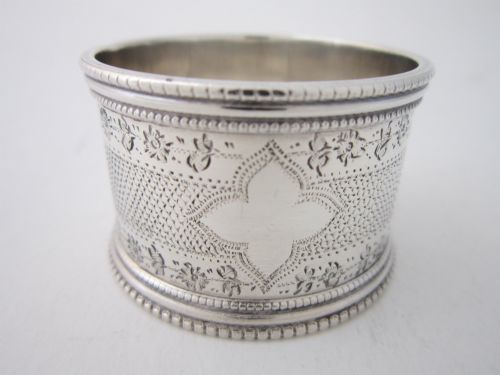
These items encompass a focused range of functional and decorative silver pieces, particularly christening mugs, tankards, napkin rings, and desk accessories. The selection spans distinct forms from the early twentieth century alongside earlier Georgian, Regency, and Victorian precedents.
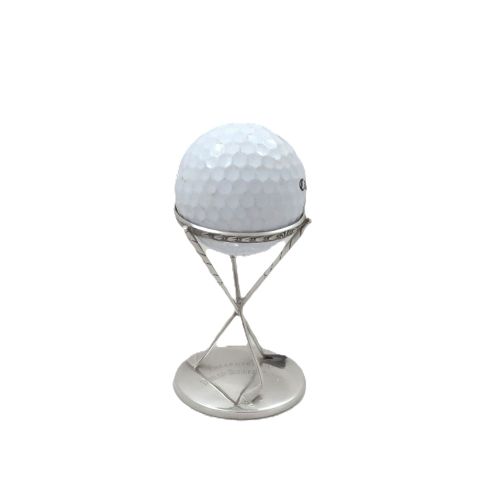
Buyers encounter classic christening mugs and tankards alongside novelty ornaments like miniature biplanes, chess knight paperweights, and golf ball stands. Sterling silver dominates the range, occasionally paired with mother of pearl or coral elements.
The assortment reflects domestic and celebratory milestones, capturing the robust craftsmanship of Birmingham, Sheffield, and London assay offices. Pieces range from utilitarian napkin rings and vesta cases to decorative models and baby rattles.
Materials and construction methods
Makers utilised sterling silver across the selection, shaping heavier gauges for substantial christening mugs and tankards that possess a reassuring weight in the hand. Smaller items like napkin rings and desk accessories share this durable metal foundation.
Specialised decorative objects incorporate supplementary materials, notably mother of pearl and coral, which appear on baby rattles and handles. Silversmiths employed detailed engraving and casting techniques to fashion novelty ornaments such as biplanes and chess knights.
George V Silver Gift Retail Price Guide 2026
Typical asking prices for george v silver gift among the pieces listed under this phrase on Sellingantiques today, from the lower quarter to the upper quarter. They describe what is for sale here now, not the wider market.
Silver craftspeople once devoted serious artistic labour to miniature biplane ornaments and chess knight paperweights for domestic desks.
Distinctions in quality and execution
Superior pieces display crisp hallmark impressions and heavier gauge sterling silver that resists denting during daily use. The refinement of chased or engraved surface decoration distinguishes standard utility items from more ambitious presentation pieces.
Novelty items and desk accessories vary according to the fidelity of their casting and the complexity of their construction. Finer examples maintain structural integrity in delicate protruding elements like aircraft wings or rattle bells.
William Bateman·George Unite
The George V Silver Gift Glossary
- Sterling silver
- A silver alloy containing 92.5 percent pure silver and 7.5 percent other metals, usually copper, ensuring structural durability for functional objects.
- Assay office
- An official body that tested precious metals and stamped items with hallmarks to verify their standard of purity.
- Vesta case
- A small pocket container designed to hold matches, typically featuring a hinged lid and a striking surface on the base.
- Christening mug
- A traditional presentation vessel intended to mark the birth or naming of a child, usually executed in silver.
George V Silver Gift: Frequently Asked Questions
How were christening mugs used?
Christening mugs functioned primarily as commemorative gifts given to newborns or infants to mark their baptism. Families kept them as lasting keepsakes rather than everyday tableware.
Over time, these mugs evolved into decorative display pieces that showcase traditional silversmithing techniques and regional assay marks.
Are desk accessories common?
Desk accessories form a distinct category within this silver group, including paperweights shaped as chess pieces and stands for sports equipment. These items combined utility with playful design for professional and home studies.
Craftsmen applied the same rigorous sterling silver standards to these desk pieces as they did to traditional tableware.
How do I identify the period?
Hallmarks stamped directly onto the silver provide the most reliable method for dating an object, revealing the assay office and year letter. Stylistic cues such as heavy gauge construction further help distinguish early twentieth-century pieces from earlier Georgian or Victorian examples.
Examining the specific form and decorative motifs assists in placing the item within its proper manufacturing era.