





George Third Dresser
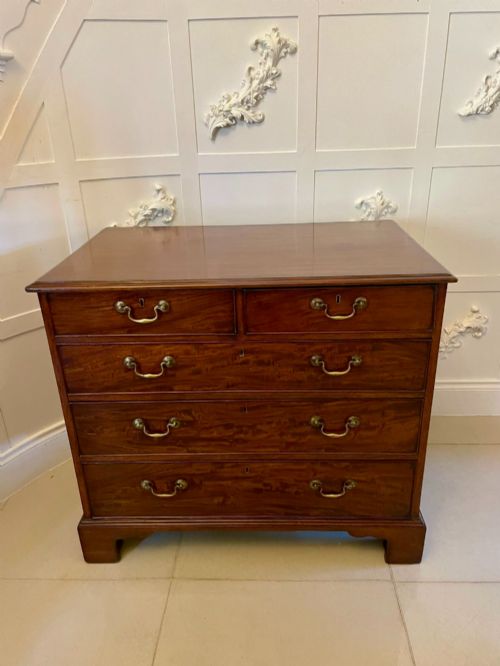
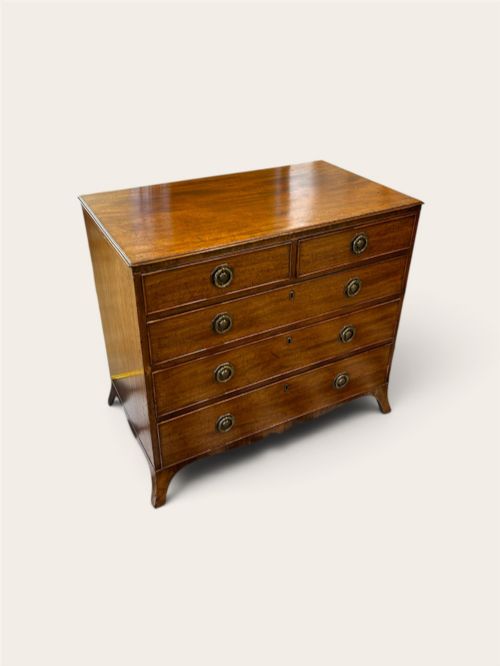
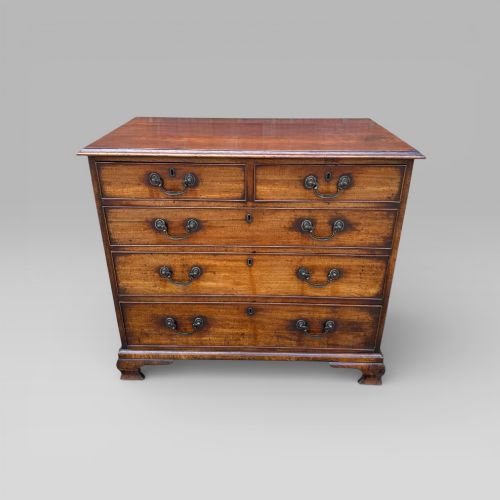
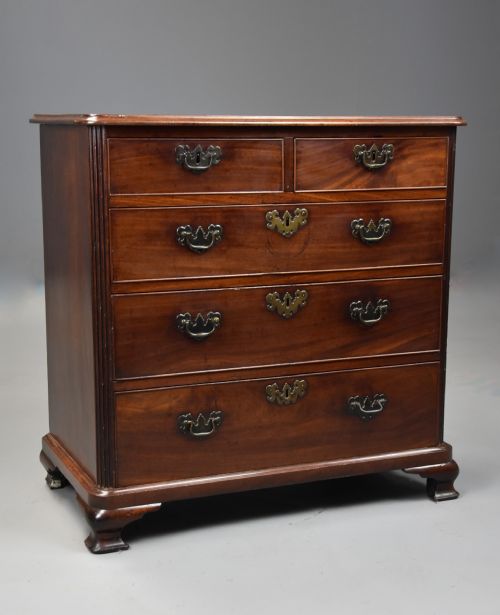
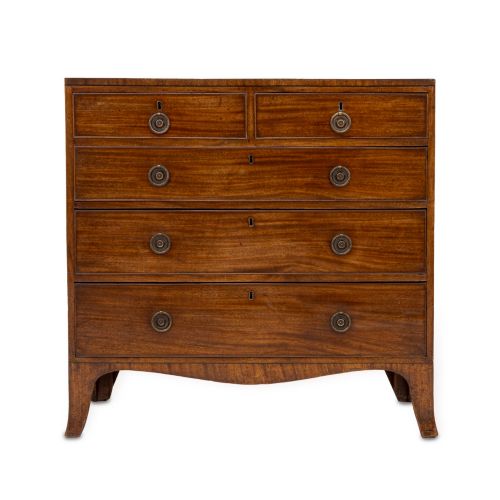
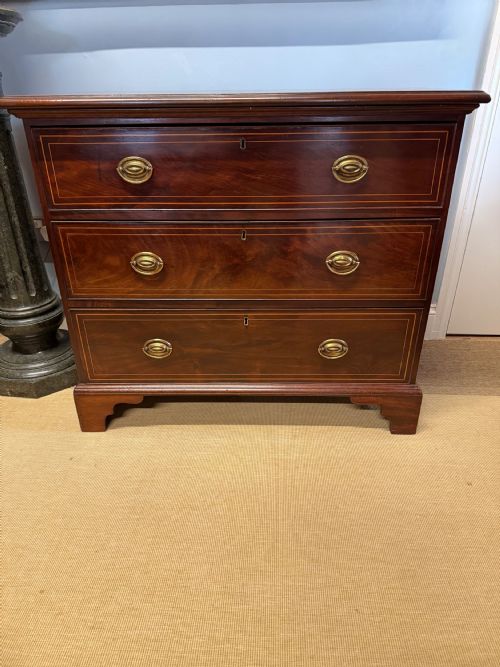
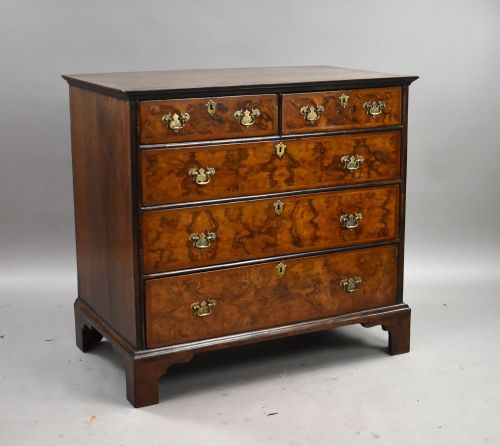
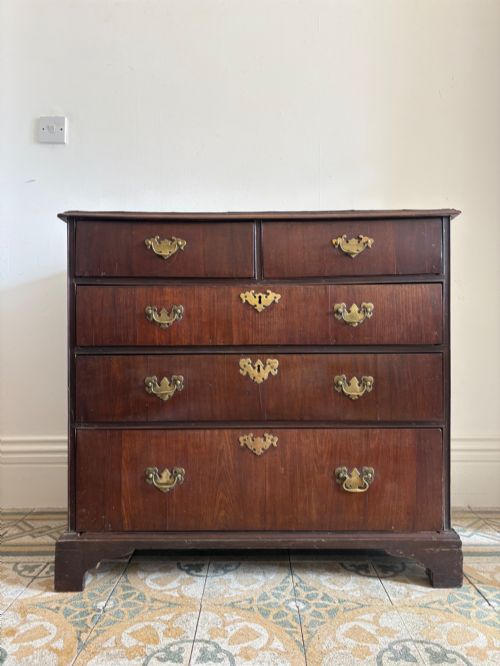
A george third dresser brings serious eighteenth-century character into a room, offering deep storage and honest timber surfaces shaped by generations of domestic life.
George Third Dresser
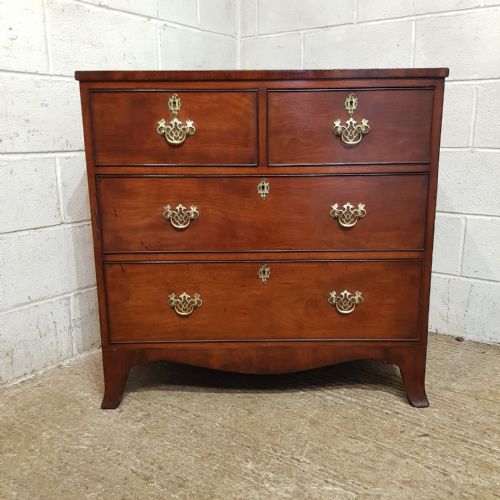
When you search for a george third dresser, you encounter heavy oak potboard bases alongside tall mahogany chests of drawers spanning the eighteenth and nineteenth centuries.
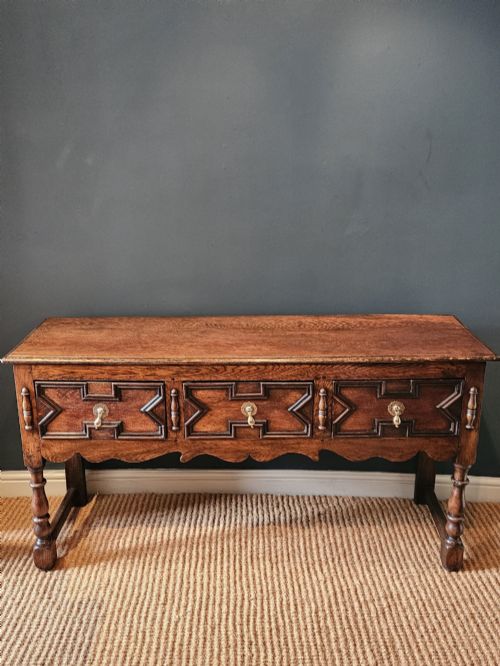
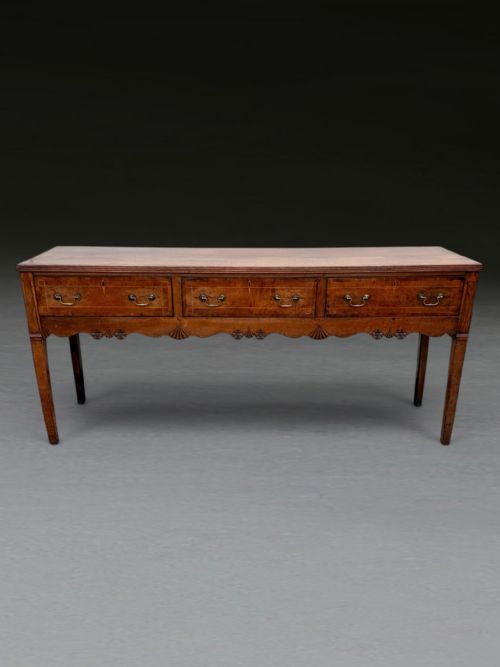
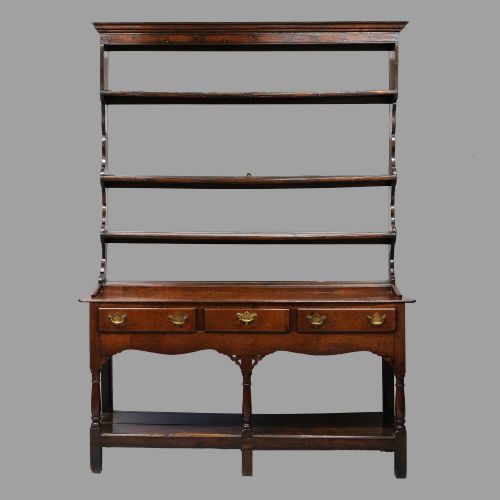
The pieces listed here encompass Welsh vernacular forms alongside country house styles, featuring geometric mouldings and open plate racks.
Most examples date from the mid-eighteenth century onwards, utilising native and imported timbers shaped during the Georgian reigns.
Materials and construction
Cabinetmakers built these pieces primarily using solid oak and rich mahogany, occasionally incorporating walnut, maple, and boxwood inlay.
Construction details include brass hardware such as drop handles and backplates, alongside iron fittings and internal bone elements.
Joinery methods reflect vernacular traditions and refined cabinet shop practices, producing sturdy potboards, bracket feet, and caddy tops.
George Third Dresser Retail Price Guide 2026
Typical asking prices for george third dresser among the pieces listed under this phrase on Sellingantiques today, from the lower quarter to the upper quarter. They describe what is for sale here now, not the wider market.
Evaluating quality and proportion
Quality rests in the choice of timber figure, such as burr walnut or closely grained mahogany, paired with crispness in the moulding and carving.
Proportions dictate desirability, with smaller proportions and clean serpentine or bow fronts commanding particular attention among collectors.
Originality of surface patina and the survival of period brass handles elevate certain examples far above standard utilitarian pieces.
J Moorcroft
The George Third Dresser Glossary
- Potboard
- An open lower shelf on a dresser designed for displaying pewter or heavy kitchen pottery. It sits off the floor on feet or stretchers.
- Caddy top
- A raised furniture top with a moulded edge resembling the lid of a tea caddy. It appears on mid to late eighteenth-century chests.
- Bow front
- A convex curved cabinet front that swells outwards towards the centre. This shape became popular during the late Georgian period.
- Geometric moulded
- Surface decoration formed by applied raised mouldings in geometric patterns. This technique is often seen on earlier oak furniture.
- Patina
- The deep surface sheen and mellow colour developed by wood over centuries of handling and polishing. It marks genuine age and use.
George Third Dresser: Frequently Asked Questions
How do I date a george third dresser?
Dating relies on examining timber choices, construction methods, and hardware styles alongside secondary woods like pine or oak. Stylistic shifts from heavy oak potboards to refined mahogany drawer arrangements help narrow the decade.
Changes in foot design, from bracket feet to ogee feet, provide further clues for placing a piece within the Georgian period.
Where were these pieces used originally?
Oak dressers with open racks typically served in country house kitchens and vernacular dining spaces for storing and displaying tableware. Mahogany chests stood in bedrooms and parlours for clothing and linens.
Their robust construction suited busy domestic environments where furniture needed to withstand daily practical demands.
How do I care for antique timber?
Protect antique wood by maintaining stable room humidity and keeping pieces away from direct heat sources and strong sunlight. Regular dusting with a soft cloth preserves the dry wax finish.
Avoid modern silicone polishes that can penetrate the grain and alter the natural patina built up over centuries.
What is the difference between oak and mahogany pieces?
Oak pieces generally reflect earlier vernacular traditions with heavy potboards and geometric mouldings suited to country interiors. Mahogany versions often display finer cabinetwork, bracket feet, and decorative brasses intended for formal rooms.
Both timbers offer durability but create entirely different visual weights within a modern interior.