

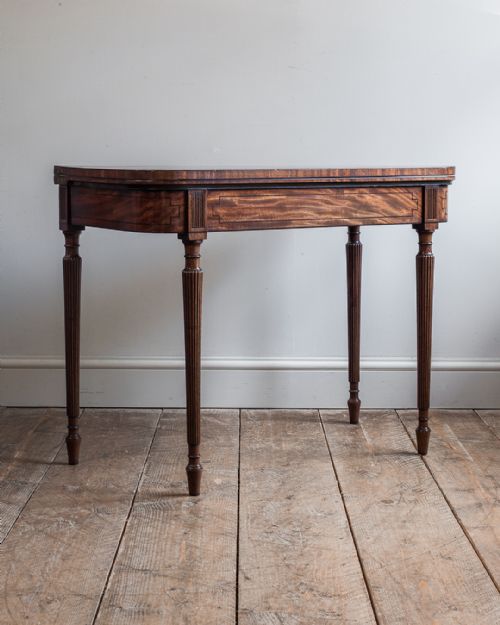
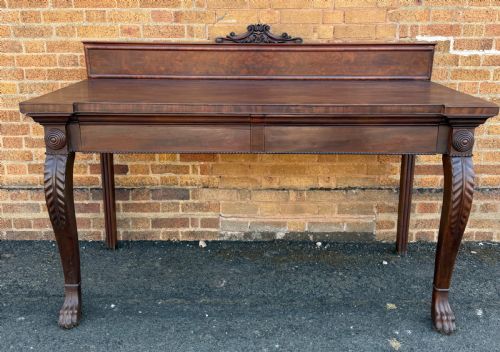
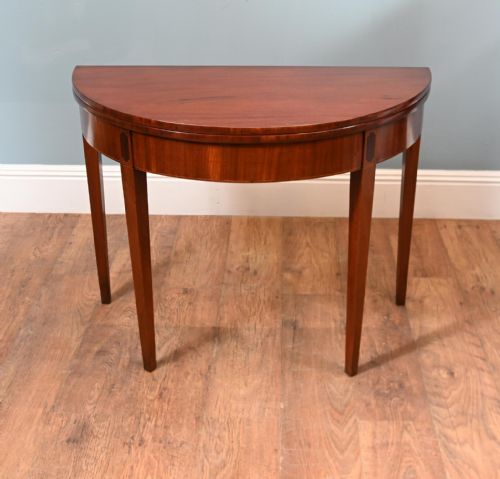


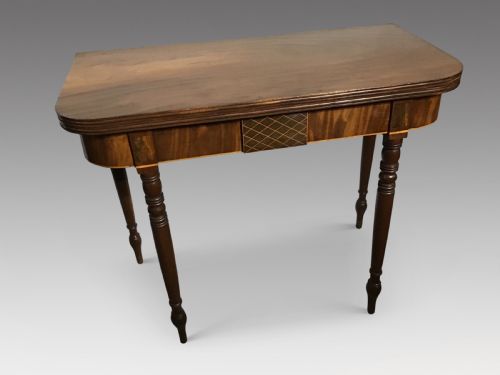


George IV Mahogany Console
George iv mahogany console pieces are substantial, elegant tables built for formal rooms, prized for rich timber figures and classic period lines.
George IV Mahogany Console
When you search for george iv mahogany console tables, you encounter formal furniture pieces spanning the Georgian and 19th Century periods. These items typically manifest as console tables, serving tables, and side tables, alongside adaptable fold-over forms like tea tables, card tables, and games tables.
The pieces on this page originate predominantly from the George IV and Regency styles, occasionally incorporating Grand Regency designs or Empire influences. You are most likely to meet solid and veneered timber constructions featuring D-shaped profiles, serpentine fronts, and pedestal or lyre support bases.
How they were made
Cabinet makers utilised primary structural timbers such as mahogany and oak, applying flame mahogany veneer to prominent surfaces to create striking visual depth. Workshops frequently enhanced these timbers with contrasting details including brass mounts, intricate inlay, and ebonised wood accents.
Construction techniques involved precision joinery and stable secondary woods like oak for drawer linings and internal frames. Certain high-status examples incorporated white marble tops, combining stone surfaces with carved wooden bases.
George IV Mahogany Console Retail Price Guide 2026
Typical asking prices for george iv mahogany console among the pieces listed under this phrase on Sellingantiques today, from the lower quarter to the upper quarter. They describe what is for sale here now, not the wider market.
Listings incorporate both solid mahogany and flame mahogany veneer, often paired with oak secondary timber, brass details, and ebonised wood accents.
What varies in quality
The visual appeal of the timber grain dictates much of the distinction between average and exceptional pieces, particularly in the selection of flame mahogany veneer. Superior examples display symmetrical figures and rich, deep polishes that highlight the natural warmth of the wood.
Proportion and sculptural carving separate standard utilitarian items from masterworks of the period. Refined execution in pedestal bases, lyre supports, and brass or ebonised details indicates the hand of a more accomplished workshop.
The George IV Mahogany Console Glossary
- Flame mahogany
- A highly figured wood veneer displaying characteristic flame-like patterns. This decorative grain was prized by period cabinet makers for tabletops and drawer fronts.
- Console table
- A table designed to stand against a wall, frequently secured with brackets. These pieces often served decorative or functional roles in grand hallways and saloons.
- Ebonised wood
- Timber treated to resemble ebony through staining or painting. This dark finish provided sharp visual contrast against warm mahogany surfaces.
- Lyre support
- A furniture base shaped like the ancient musical instrument. It appeared frequently on tables during the Regency and George IV eras.
- Serpentine front
- A furniture edge shaped with a central convex curve flanked by concave sweeps. This undulating form added dynamic movement to sideboard and table designs.
George IV Mahogany Console: Frequently Asked Questions
What is a george iv console table?
A George IV console table is a formal piece of furniture designed to stand flat against a wall, often featuring rich mahogany construction and classic architectural proportions.
These tables frequently served as decorative surfaces in entrance halls and reception rooms during the early nineteenth century.
How do I identify a george iv table?
You can identify these pieces by their characteristic mahogany timbers, flame veneer patterns, and stylistic markers associated with the Regency and George IV periods.
Look for structural details such as pedestal bases, lyre supports, brass accents, and ebonised wood highlights that typify the era.
Were these tables used for dining?
While console tables were primarily intended for display against walls, many related forms like tea tables and card tables featured fold-over tops.
These versatile surfaces could be opened when needed for social games or tea service, then folded shut to save space.
Where should I place a console table?
Console tables suit entrance hallways, living rooms, and dining areas where a shallow profile allows them to sit neatly against a wall.
They provide an ideal surface for displaying lamps, decorative objects, or serving items during gatherings.