



George IV Drawers
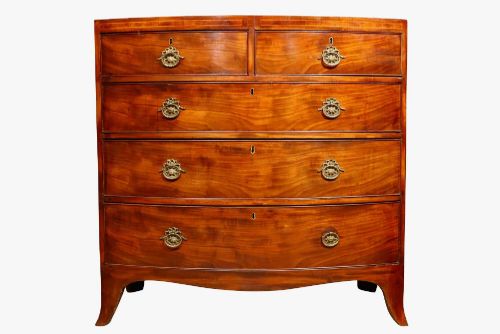
George iv drawers bring the rich warmth of early nineteenth-century cabinetmaking into your home.
George IV Drawers
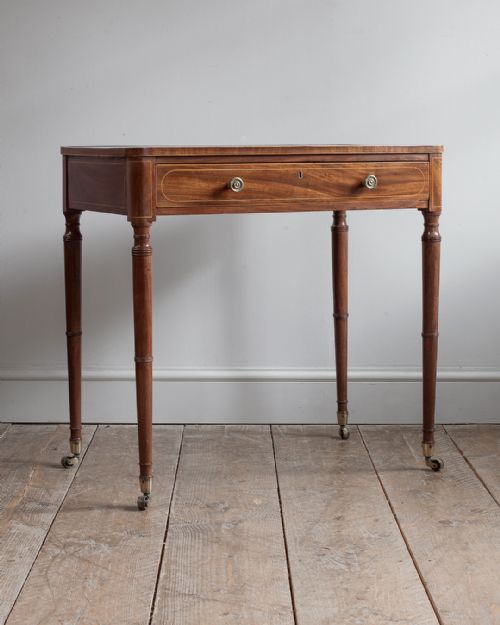
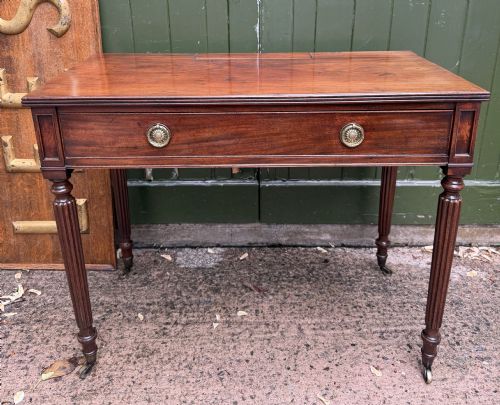
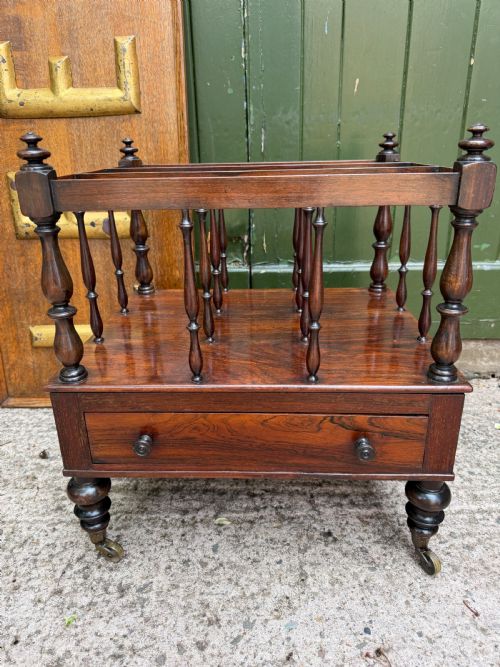
Mahogany and flame mahogany dominate the selection, often accompanied by rosewood, oak, elm, and pine. These items serve practical storage needs while displaying the distinctive proportions and design characteristics of the era.
The category extends beyond standard chests to include writing cabinets, secretaire bookcases, kneehole tables, and specialised storage items. Buyers frequently find pieces reflecting the styles of George IV and Regency designs.
How they were made
Cabinetmakers utilised solid timbers alongside finely figured veneers, selecting mahogany and rosewood for their rich grain patterns. Drawer construction often incorporated secondary woods like pine or oak, joined with traditional techniques suited to daily use.
Brass fittings, including drop handles, escutcheons, and carrying handles, were integrated into military and pedestal pieces. Leather inserts appeared on writing surfaces, while bone and glass occasionally featured in small decorative details or escutcheons.
Listings feature mahogany, rosewood, oak, elm, and pine, alongside brass hardware and leather writing inserts.
What varies in quality
The choice of timber underpins the visual appeal, with heavily figured flame mahogany or select rosewood marking out superior examples. Timber selection dictates the depth of colour and grain movement visible across the drawer fronts and top panels.
Construction precision defines the hierarchy of pieces, seen in the tight alignment of drawer dovetails and the smooth operation of sliding surfaces. Finer items exhibit careful matching of veneer grains across multiple drawers, maintaining visual continuity when closed.
Gillows of Lancaster·W Day The Strand
The George IV Drawers Glossary
- Bow front
- A cabinet front that curves outward in a convex shape. This configuration softens the silhouette of standard rectangular chests.
- Flame mahogany
- A veneer cut from the branch junction of the mahogany tree, producing a distinctive flickering flame pattern. It was favoured for high-status drawer fronts.
- Wellington chest
- A tall, narrow chest of drawers secured by a locking side flap hinged to one stile. It typically contains multiple shallow drawers.
- Secretaire
- A piece of furniture incorporating a pull-down writing drawer fitted with small compartments and pigeonholes. It combines storage with a compact desk facility.
- Campaign chest
- A modular chest built in two or more sections with recessed brass handles and corner brackets for military transport. It separates for ease of travel.
George IV Drawers: Frequently Asked Questions
How do I style george iv drawers?
These chests integrate well into both traditional and contemporary interiors as functional storage statements. Placing a lamp or small decorative objects on top enhances their presence in a hallway or bedroom.
Allowing sufficient space around the piece lets the timber grain and proportions remain visible. They function effectively alongside other nineteenth-century furniture or as standalone focal points in a room.
Were these drawers used for clothes?
Standard chests of drawers provided primary wardrobe storage for linen and garments in nineteenth-century homes. Shallower variations and kneehole tables served writing or auxiliary functions rather than heavy apparel storage.
Specialised forms like campaign chests accommodated the travel requirements of military officers. Each variation was built to suit specific domestic or professional tasks of the era.
How can I tell the period?
Dating relies on timber choices, construction methods, and stylistic cues associated with the early nineteenth century. Secondary woods and handle designs offer further clues regarding the date of manufacture.
Pieces bearing maker signatures or attributions to firms like Gillows provide clearer historical context. Examining the interior drawer construction helps distinguish original Georgian work from later revivals.