






George III Spoons
George iii spoons are solid silver tableware items spanning the Georgian era, offering buyers functional dining history.
George III Spoons
George iii spoons comprise a broad category of silverware encountered in various forms across this page, reflecting the dining habits of the period. A buyer searching for george iii spoons will find functional pieces ranging from smaller domestic utensils to larger serving implements.
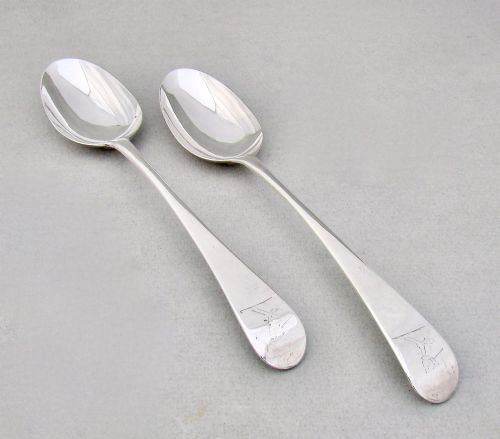
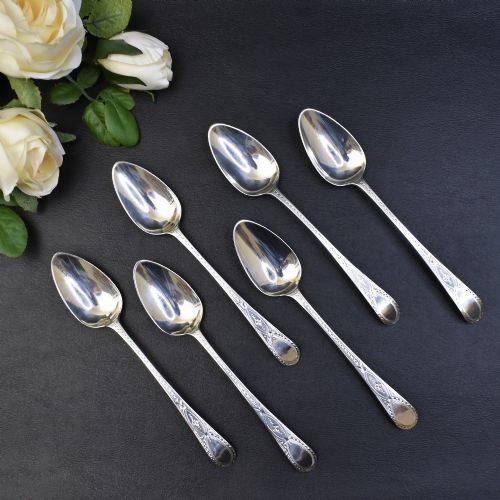
Makers produced these pieces for formal dining, tea service, and food preparation, utilising traditional silver forms. Buyers frequently encounter sets of teaspoons, individual caddy spoons, and paired serving utensils stamped with Georgian hallmarks.
How they were made
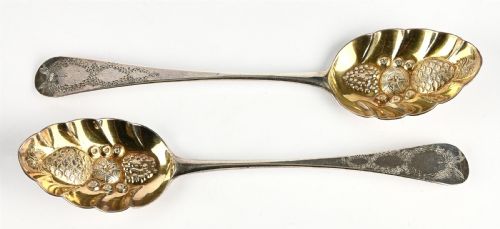
Silversmiths constructed george iii spoons primarily using sterling silver, hammering and shaping the metal from ingots into bowls and handles. Certain pieces incorporate gold gilt highlights or bright-cut engraving to enhance the polished silver surface.
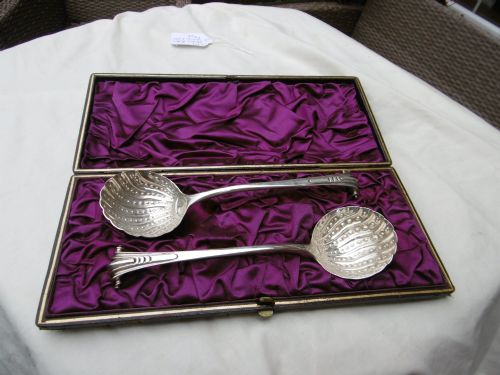
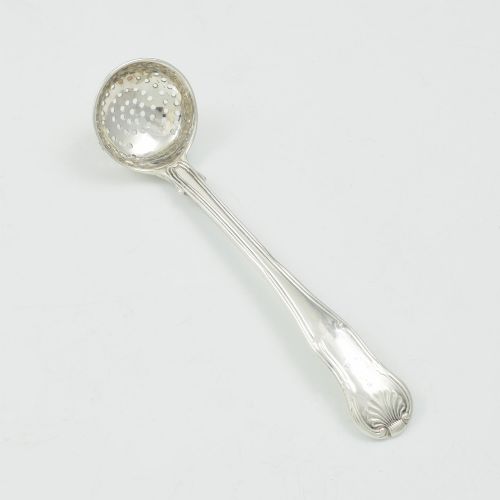
Makers applied specific techniques such as piercing for sifter spoons, scalloping for shell-shaped caddy bowls, and hand-engraving for decorative handles. Workshops struck hallmarks directly into the metal to record the standard of silver, the assay office, and the working year.
George III Spoons Retail Price Guide 2026
Typical asking prices for george iii spoons among the pieces listed under this phrase on Sellingantiques today, from the lower quarter to the upper quarter. They describe what is for sale here now, not the wider market.
The listings demonstrate that Georgian silver spoons frequently incorporate provincial and Irish marks alongside London assay office stamps.
What varies in quality
Quality in george iii spoons rests upon the crispness of the maker's mark, the retention of original bowl thickness, and the definition of engraved or bright-cut decoration. Pieces that preserve their intended form without excessive thinning from polishing represent a higher tier of manufacturing.
The reputation of the silversmith and the regional origin, such as London, provincial towns, or Irish workshops, influence the character of each spoon. Distinct patterns like Onslow, King's Hourglass, or Old English display varying levels of hand-finished detail across different maker workshops.
peter & Anne Bateman·John Edmonstone·Michael Smith·P A W Bateman·Alexander Henderson
The George III Spoons Glossary
- Sterling silver
- A silver alloy consisting of ninety-two point five percent pure silver and seven point five percent other metals, primarily copper. This composition provided the durable standard used for Georgian flatware.
- Hallmark
- A system of official marks stamped on precious metals by an assay office. These marks identify the silver standard, the maker, the city of assay, and the year of production.
- Caddy spoon
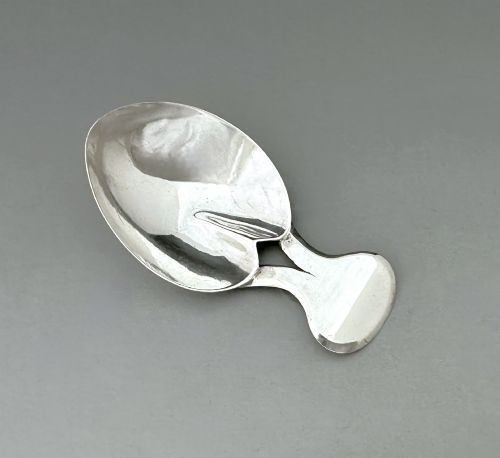
- A small specialised spoon designed for measuring loose tea leaves from a tea caddy into a teapot. They frequently feature shallow, shell-shaped bowls and short, decorative handles.
- Bright-cut
- An engraving technique utilising faceted V-shaped cuts to create reflective geometric or floral patterns. It was widely applied to eighteenth-century silver flatware.
- Sifter spoon
- A spoon featuring a pierced or perforated bowl used for sprinkling sugar or spices over food. The piercing patterns range from simple slots to intricate geometric designs.
George III Spoons: Frequently Asked Questions
How do I use antique spoons today?
George iii spoons can be integrated into modern dining and display settings, though silver requires careful hand washing rather than machine cleaning. Using them for serving condiments, sugar, or tea brings historical pieces back into practical daily routines.
Storing silver in protective flannel or specialised storage prevents tarnish accumulation between uses. Regular gentle washing maintains the polished appearance of the metal without wearing away the historic hallmarks.
How do I identify the date of a spoon?
Dating relies primarily on the series of stamped punch marks located on the reverse of the handle or stem. These marks include a date letter corresponding to the specific assay year used by offices in London, Edinburgh, Dublin, York, or Exeter.
Comparing the maker's mark and the monarch's head duty mark helps narrow down the production period. Consulting standard silver reference volumes allows collectors to match the exact letter punch to the correct calendar year.
What is the difference between provincial and London silver?
Provincial silver was manufactured in regional British and Irish towns outside the major capital assay offices. These pieces often feature unique maker marks and regional town symbols alongside standard sterling hallmarks.
Because regional workshops produced smaller quantities than London firms, provincial pieces offer a different collecting dynamic. The regional variation in style and stamping reflects the decentralized nature of Georgian silversmithing.
Why do some spoons feature gilding?
Gold gilt applied to the interior of bowls or across the entire spoon served specific culinary functions in the Georgian period. Applying a layer of gold protected the silver from corrosive food acids found in items like mustard, berries, or salt.
This technique, known as parcel gilding or full gilding, also added visual contrast to the tableware. Surviving gilt highlights indicate specialised use for particular dining items.