
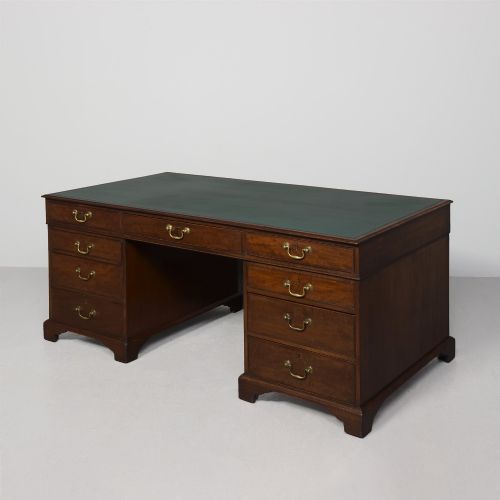
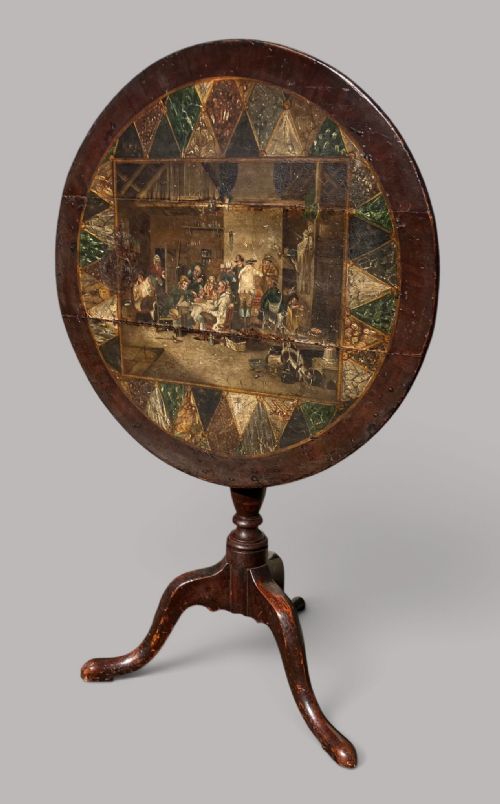
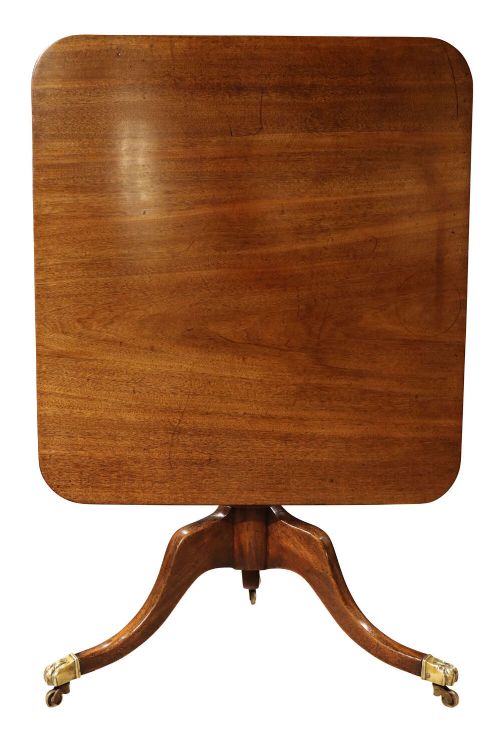
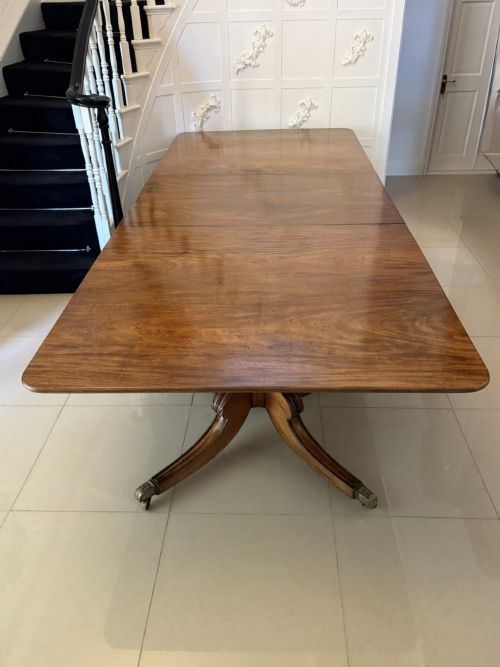
George III Pedestals
George iii pedestals are foundational examples of British cabinet-making, sought after for their robust timber construction and architectural proportions.
George III Pedestals
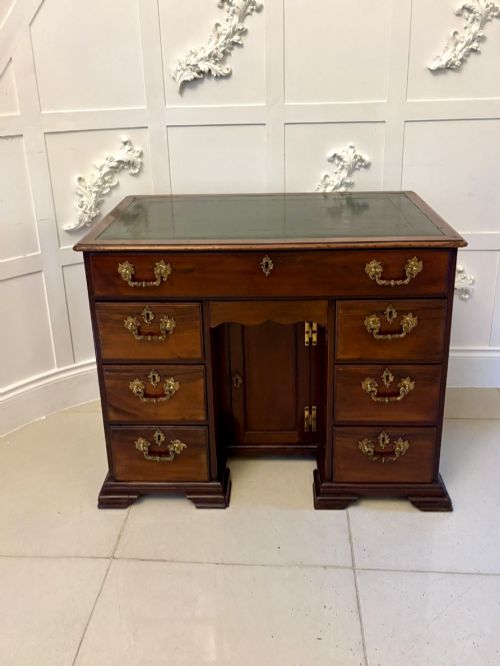
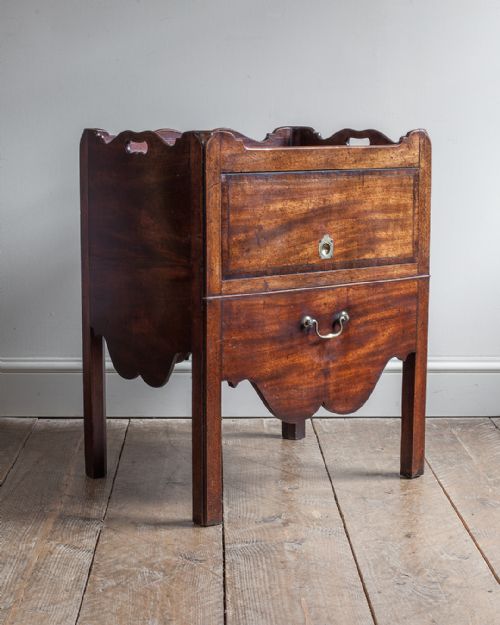
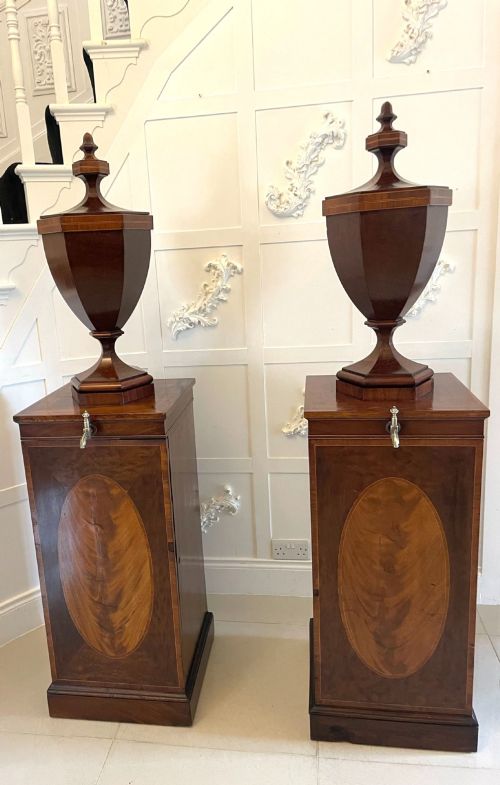
George iii pedestals encompass a variety of foundational furniture forms and decorative objects designed during the Georgian era, ranging from wine urn cupboards to tripod tables and support columns.
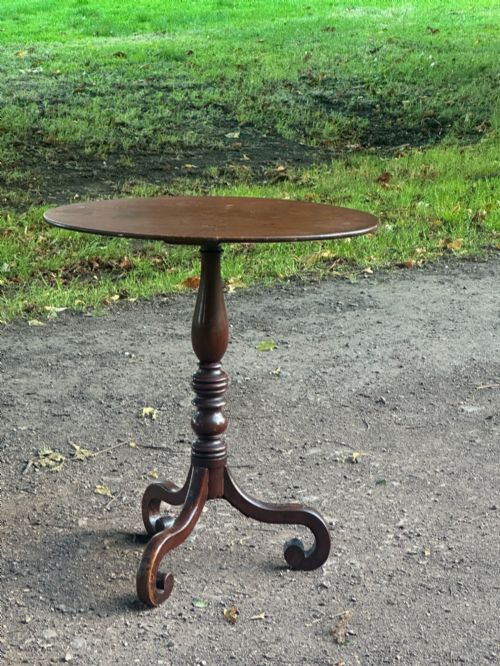
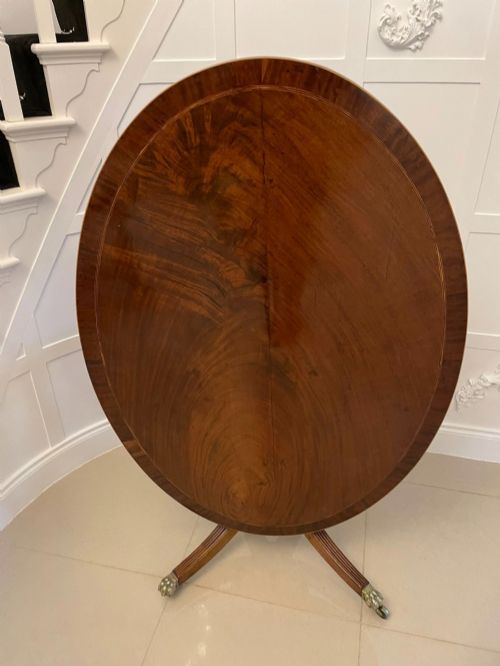
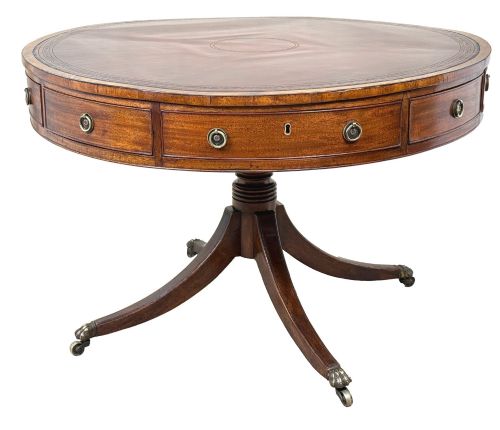
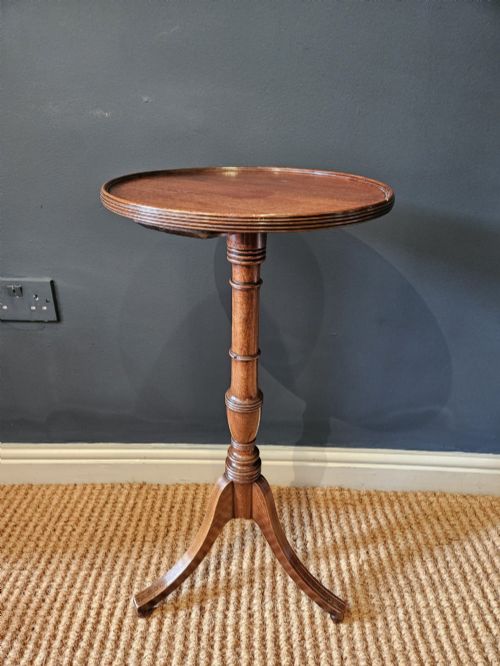
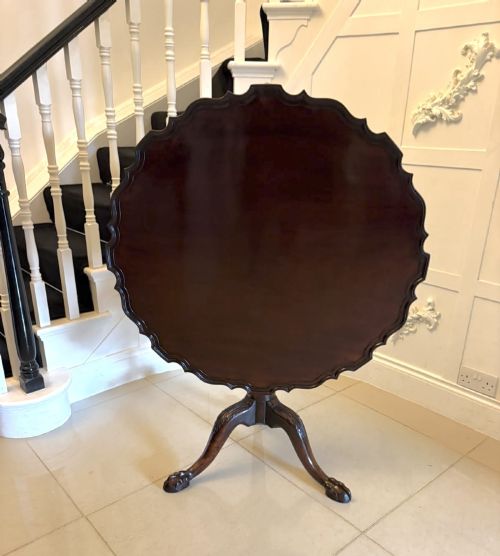
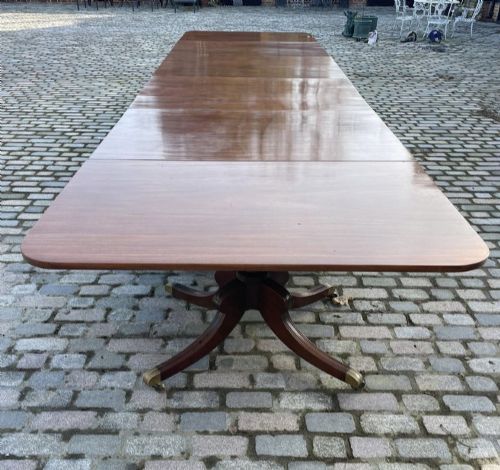
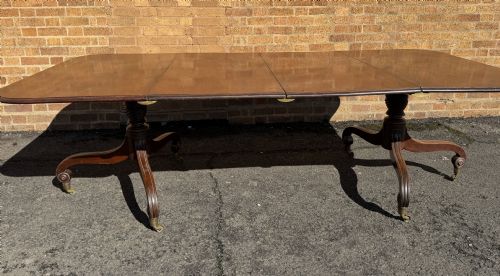
Buyers searching for george iii pedestals will most frequently encounter mahogany tripod occasional tables, pillar dining tables, and dedicated pedestal cupboards spanning the eighteenth and early nineteenth centuries.
The selection includes specialised items such as treen pedestal goblets, brass-inlaid console tables, and glass tazzas, reflecting the diverse domestic uses of the period.
Materials and Technique
Makers predominantly utilised solid and figured mahogany, often complemented by secondary timbers like oak, pine, and sycamore, alongside ornamental elements in brass, copper, and leather.
Construction techniques relied heavily on stable tripod bases, pillar supports, and tilt-top mechanisms, frequently enhanced with inlaid veneers, kingwood, and rosewood details.
Specialist items demonstrate precision turning and joinery, from lignum vitae treen goblets to multi-pillar dining tables engineered for versatile domestic scale.
The listings show a strong dominance of mahogany, alongside walnut, oak, and specialised treen in Georgian pedestal forms.
Judging Quality
Quality rests upon the choice of timber figure, the crispness of inlaid details, and the integrity of original mechanisms such as tilt-top actions and pillar supports.
Superior examples exhibit balanced architectural proportions, original hardware, and refined cabinet work associated with documented makers rather than standard utilitarian production.
George Bullock·Thomas Butler of London·Gillows
The George III Pedestals Glossary
- Tripod base
- A three-legged support structure commonly found beneath George III occasional and supper tables. This design ensured stability on uneven floors.
- Tilt-top
- A hinged tabletop mechanism allowing the surface to fold vertically when not in use. It saved valuable floor space in Georgian rooms.
- Treen
- Small handmade wooden domestic objects. These items showcase traditional turning and carving skills in materials like lignum vitae.
- Pedestal cupboard
- An enclosed columnar base unit often paired with urns or used separately. They provided discreet storage in formal rooms.
- Tazza
- A wide, shallow ornamental cup raised on a central foot or pedestal. These glass or metal pieces served fruit or sweetmeats at dining tables.
George III Pedestals: Frequently Asked Questions
What are george iii pedestals?
George iii pedestals are structural wooden supports and columnar furniture forms produced during the Georgian period. They include wine urn cupboards, tripod bases, and display columns.
These pieces reflect the neoclassical taste of the eighteenth century, combining architectural dignity with practical domestic utility.
How were tripod tables used?
Tripod tables served as versatile occasional furniture for tea drinking, reading, or card games in Georgian drawing rooms. Their tilting tops made them easy to store against walls.
Owners moved these lightweight tables easily around the house depending on the social activity of the evening.
How do I identify a Georgian piece?
Identification relies on examining timber selection, traditional joinery methods, and characteristic stylistic details such as brass inlay, tripod feet, and turned pillars. True Georgian items display the patination accumulated over centuries.
Reference to period characteristics helps distinguish genuine eighteenth-century craftsmanship from later nineteenth-century revivals.
Are these pieces suitable for daily use?
Most George III tables and pedestals remain robust enough for daily domestic life when handled with reasonable care. Solid mahogany construction ensures lasting structural integrity.
Placing items away from direct heat sources protects the aged timber and nineteenth-century polishes from cracking.