

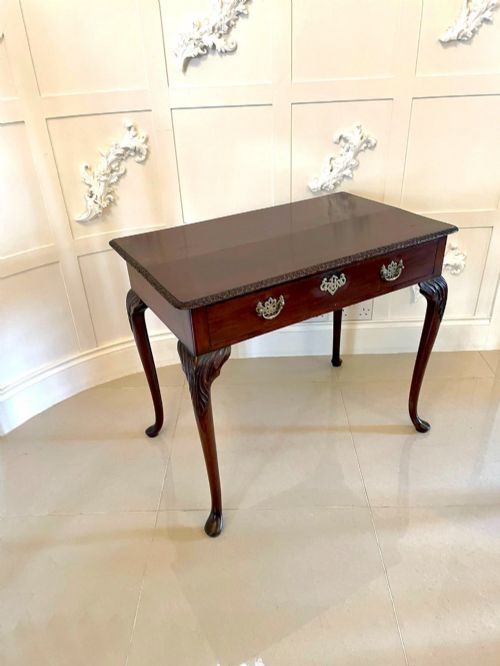
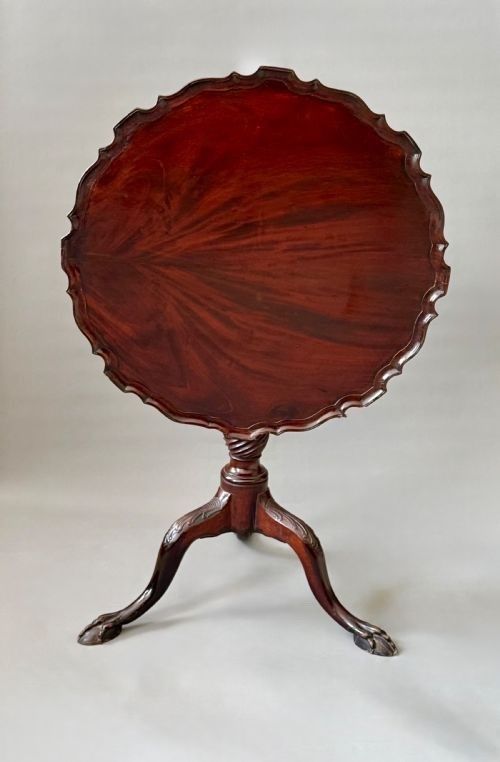
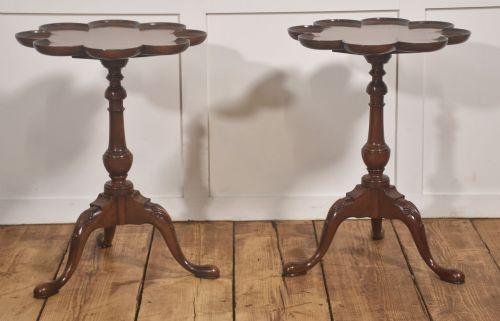
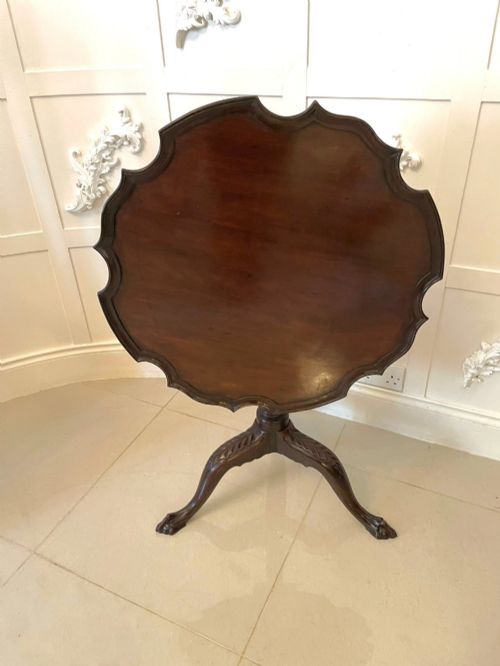
George III Carved Side Table
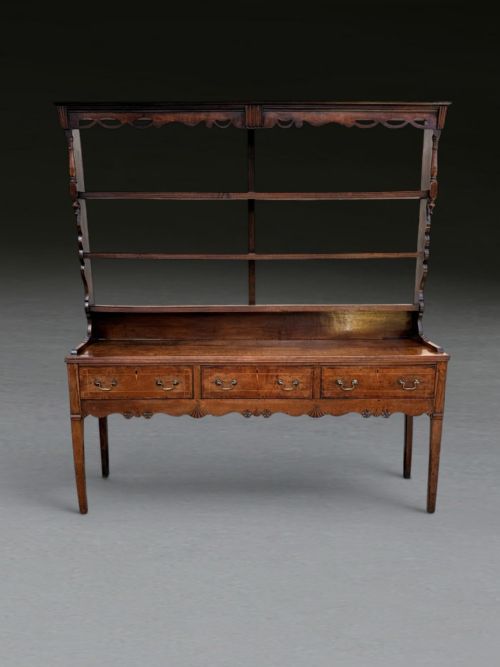
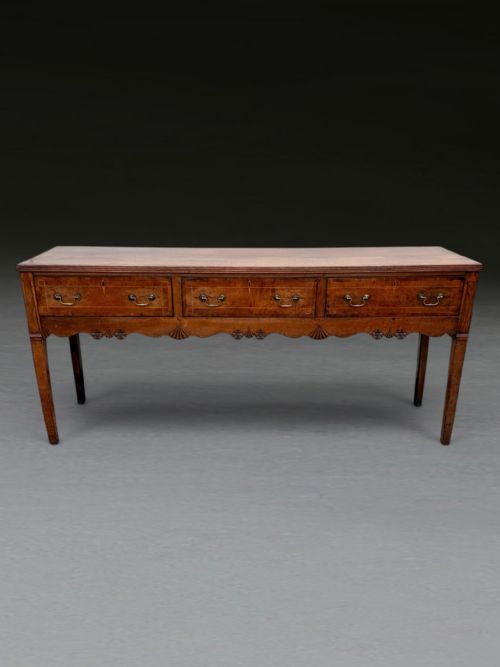
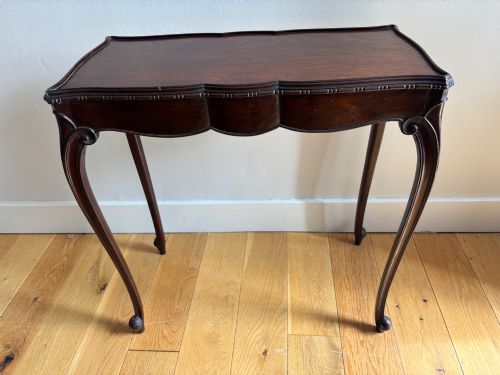
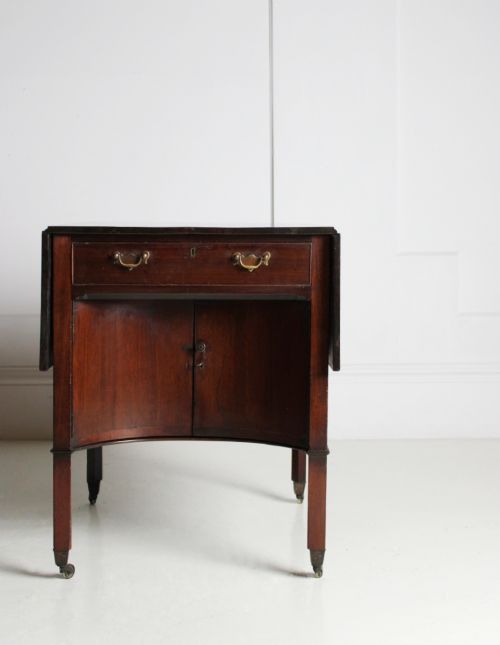
A george iii carved side table brings architectural line and figured timber to a room, offering functional surface space rooted in the eighteenth century.
George III Carved Side Table
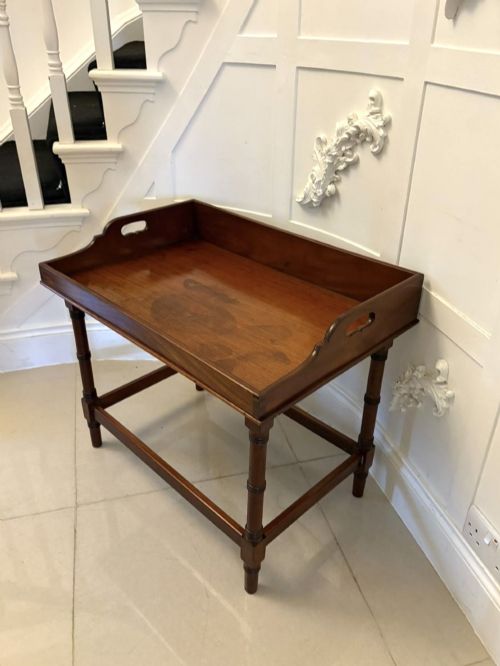
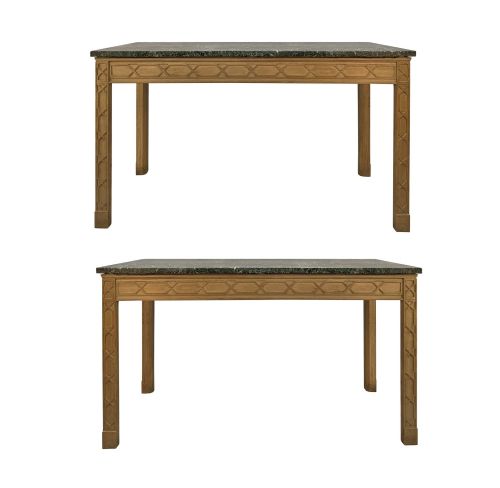
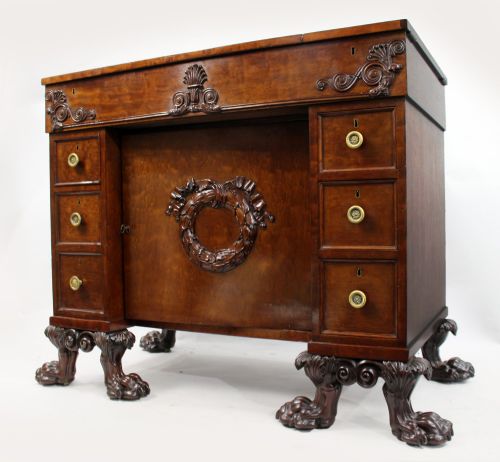
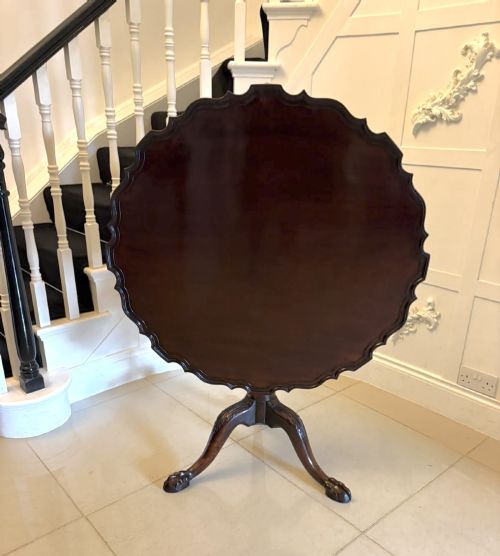
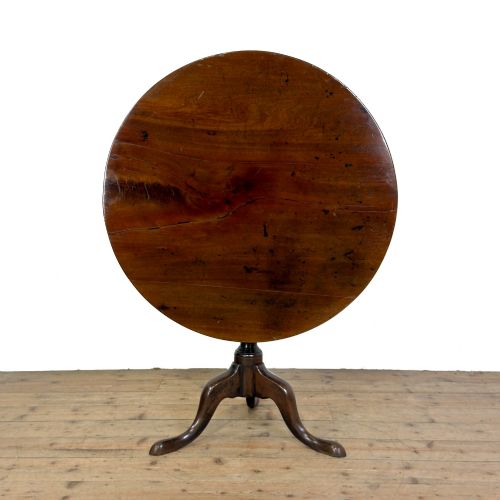
A george iii carved side table encompasses versatile forms ranging from tripod wine tables and tilt-top dining pieces to serving consoles and card tables. The selection spans authentic eighteenth-century examples alongside later revivals from the Edwardian era and the twentieth century executed in matching styles.
Makers of the period utilised mahogany as the primary timber, complemented by oak, satinwood, and giltwood details. Pieces appear in distinct variations such as the piecrust edge, serpentine front, demi-lune profile, and two-tier configurations.
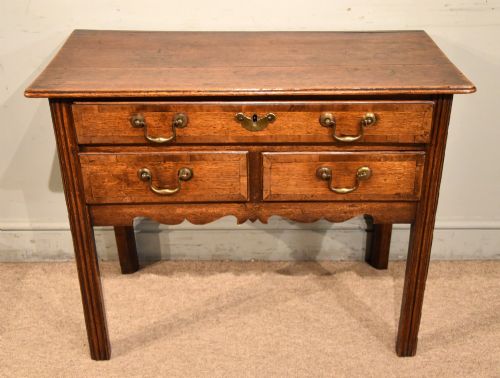
Origins trace back to the Georgian period, with subsequent interpretations appearing across the nineteenth and twentieth centuries. Buyers encounter both utilitarian lowboys and highly decorative tripod stands designed for specific domestic functions.
Design and Execution
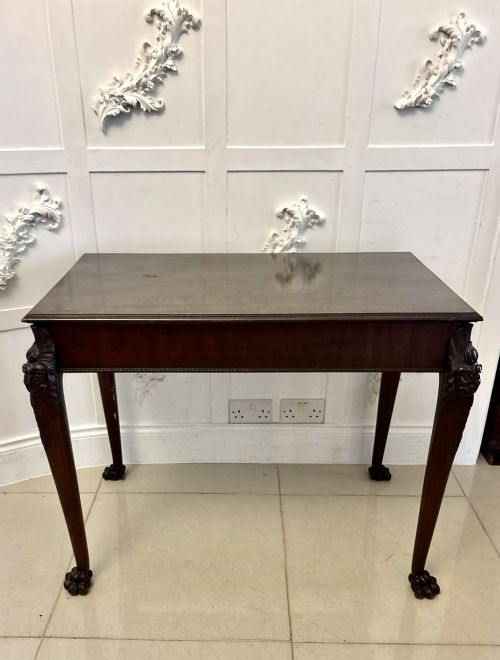
The sophistication of the carved detail distinguishes standard items from exceptional pieces, particularly where Chippendale influence introduces acanthus leaves, scrollwork, and gadrooning. The crispness of the edges on piecrust mouldings and tripod legs reveals the carver's skill.
Timber selection governs the visual weight of a piece, with richly figured mahogany grains commanding attention over plain boards. Original surfaces and patination achieved through age contribute to the integrity of the construction.
George III Carved Side Table Retail Price Guide 2026
Typical asking prices for george iii carved side table among the pieces listed under this phrase on Sellingantiques today, from the lower quarter to the upper quarter. They describe what is for sale here now, not the wider market.
Several folding tables retain evidence of past card games played by historical figures including Lord Leverhulme and Lady Penn.
The George III Carved Side Table Glossary
- Tripod Table
- A small occasional table supported by a central pillar and three carved legs. This form gained popularity during the eighteenth century for tea and wine service.
- Piecrust Table
- A circular table featuring a raised, carved edge shaped in undulating curves resembling pastry work. The moulding is typically carved from the solid timber of the top.
- Demi-Lune
- A half-moon shape characteristic of console and card tables designed to sit flush against a wall. These pieces often feature fold-over tops supported by swinging rear legs.
- Lowboy
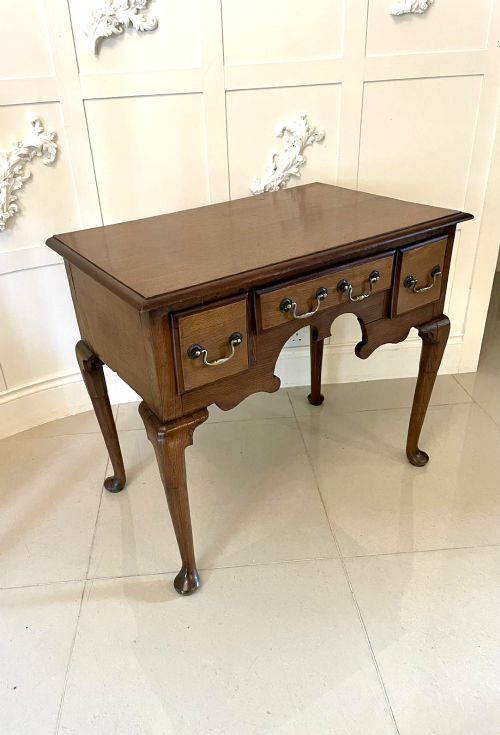
- A small oak or mahogany side table fitted with one or more drawers beneath the surface. Originating in the early Georgian period, these served as dressing or writing desks.
- Marquetry
- Inlaid patterns composed of different coloured woods and veneers applied to a primary surface. This technique decorated elite satinwood and mahogany furniture.
George III Carved Side Table: Frequently Asked Questions
How do I use a tripod table today?
These compact tables function well beside armchairs as lamp stands or display surfaces for decorative objects.
Their small footprint allows them to fit into corners or tight spaces where larger furniture proves impractical.
What is the difference between a side table and a console table?
Side tables typically stand on four legs and function independently against any wall for general storage or display.
Console tables often feature wall-fixing brackets or specific front-facing ornamentation designed for formal reception rooms.
How do I identify an eighteenth-century piece from a later copy?
Examination of construction methods, timber shrinkage, and hand-cut joinery provides clues to genuine period manufacture.
Later Edwardian and twentieth-century revivals frequently employ machine tooling or standardised fixings unseen in original workshop production.
Can card tables still be opened safely?
Folding card tables with swivel or concertina actions remain functional if the hinge mechanisms are handled with care.
Owners should inspect the pivot joints and supporting gate legs to ensure smooth movement before attempting to unfold the top.