
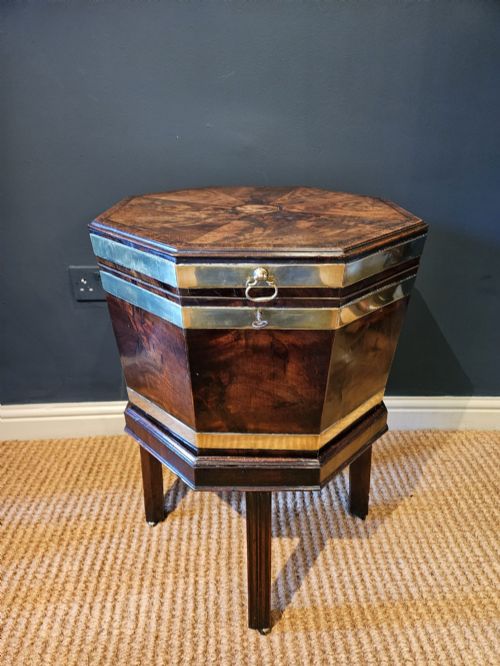
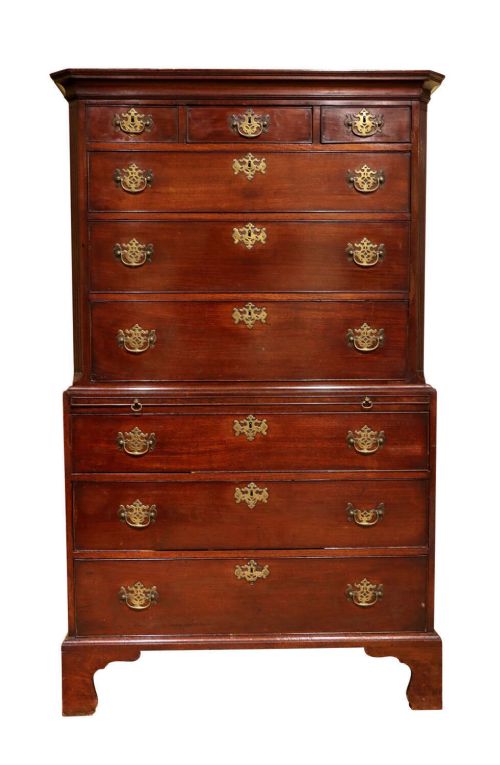
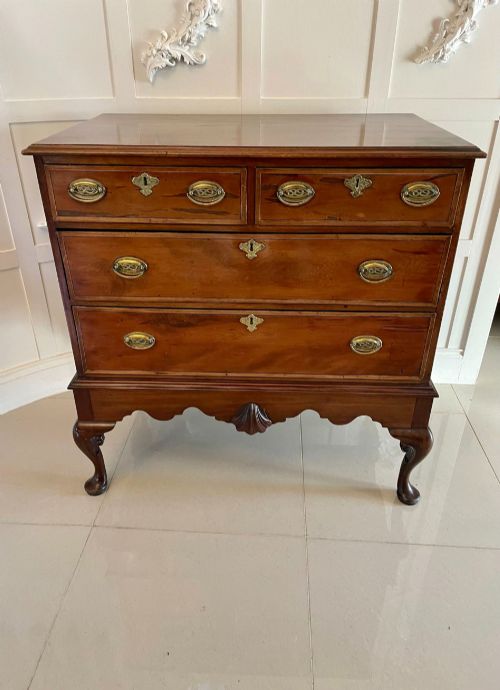
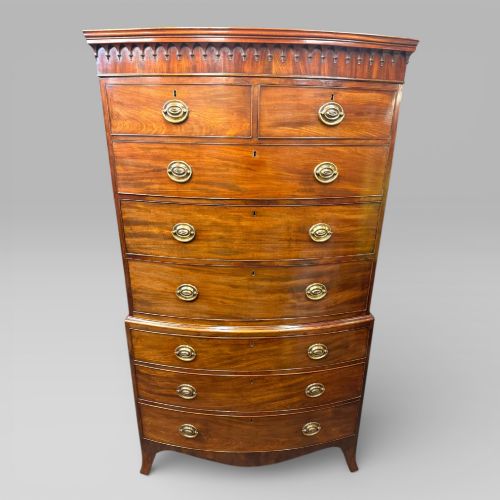
George III Brass Chest
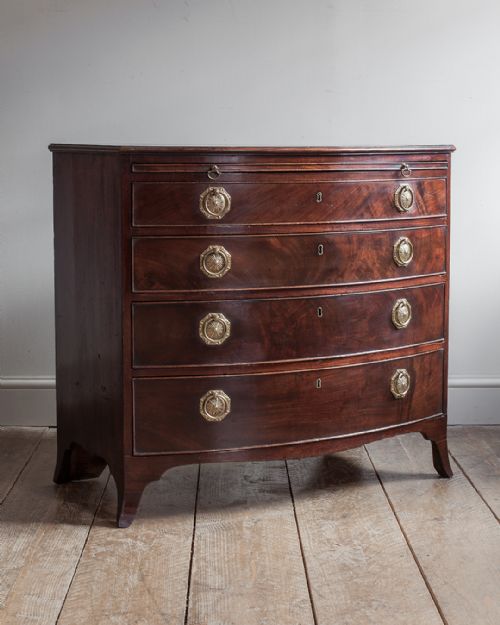
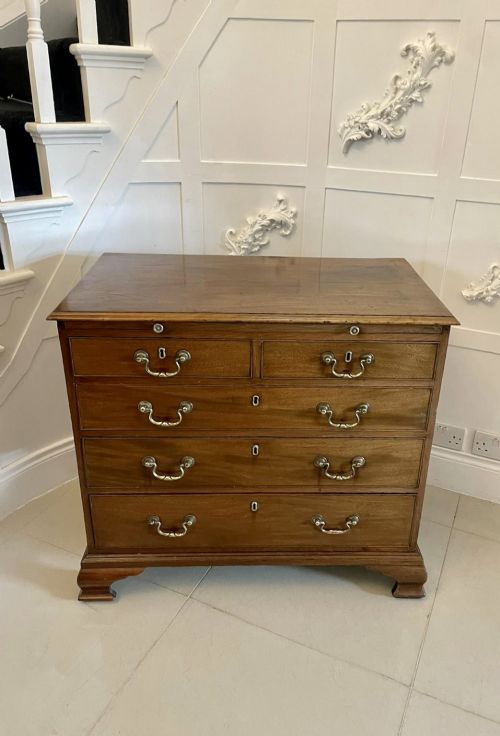
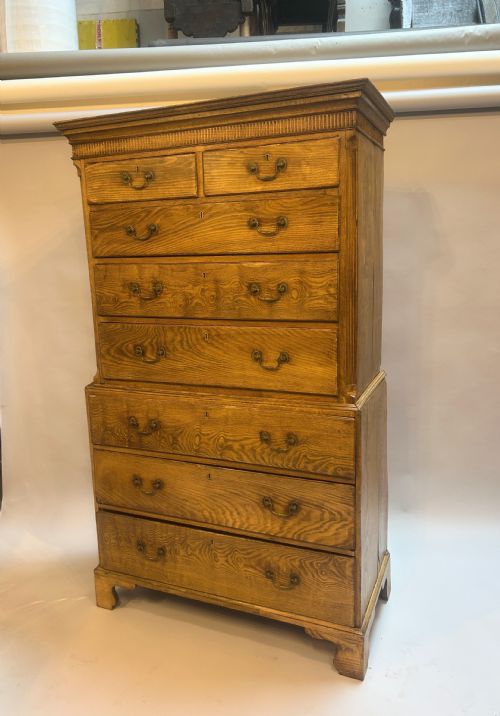
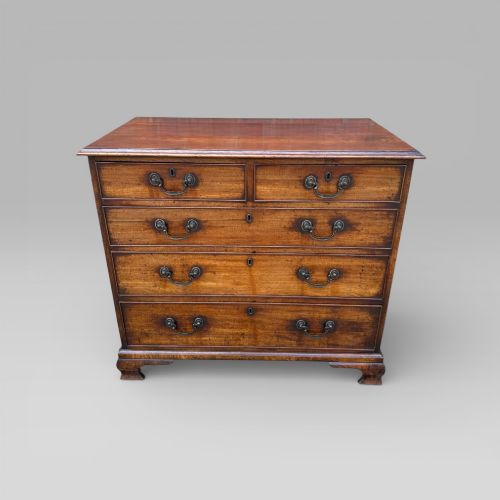
A george iii brass chest brings substantial eighteenth-century timber and robust metalwork together for practical storage in any room.
George III Brass Chest
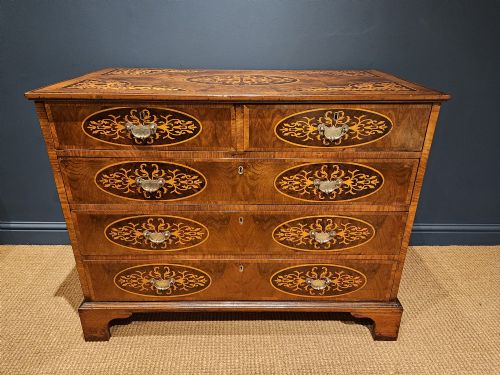
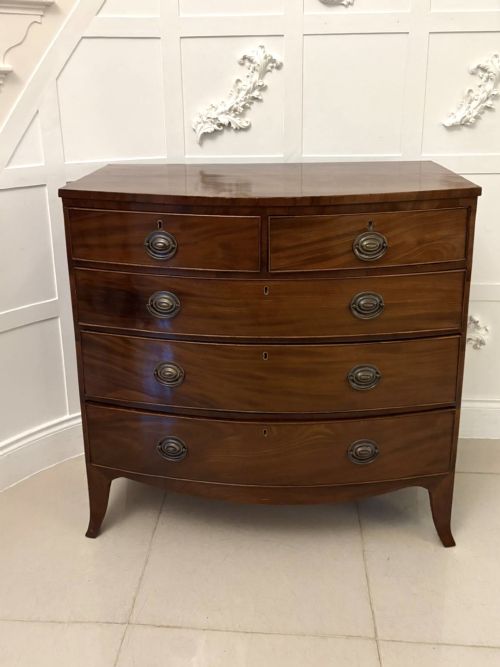
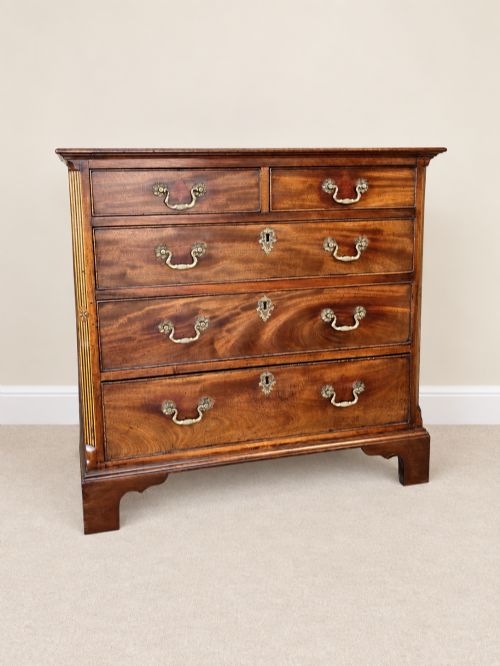
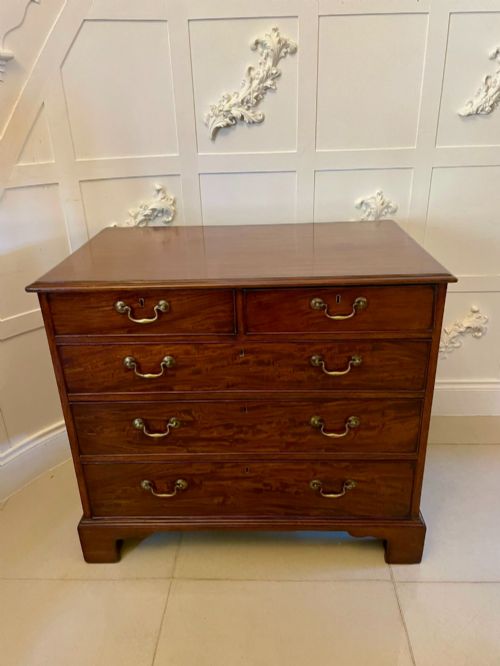
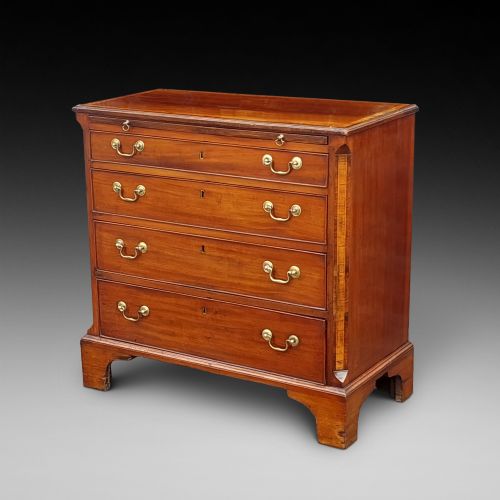
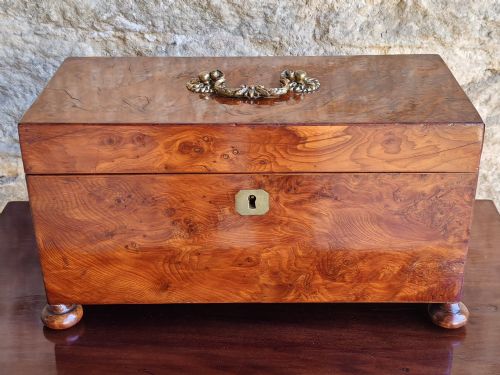
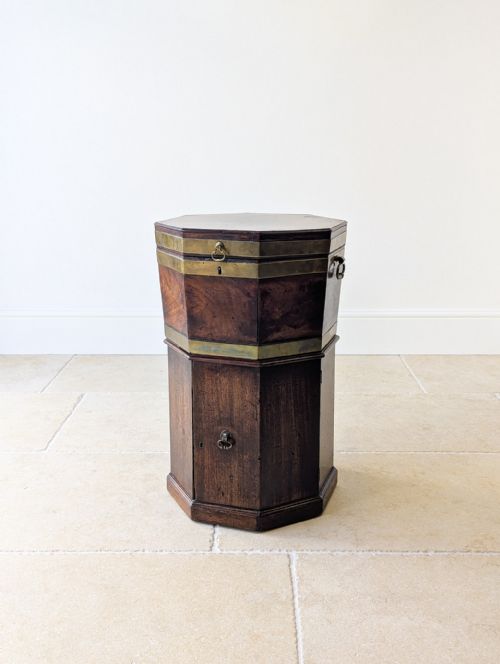
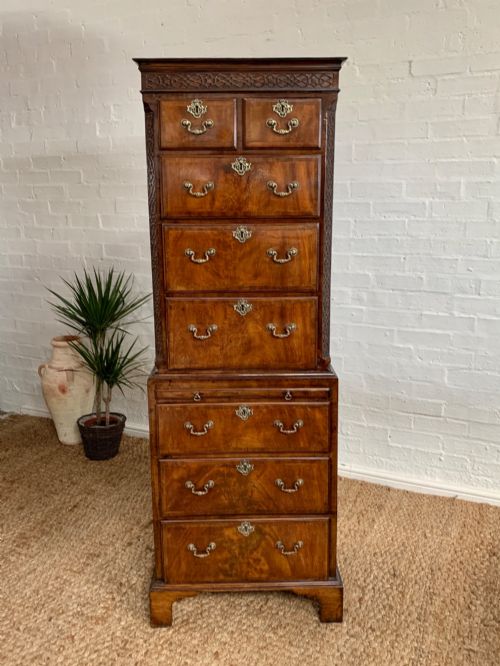
Buyers encountering this search phrase most commonly meet mahogany chests equipped with original brass handles, escutcheons, or corner straps. Wine coolers and octagonal cellarets also appear, bound in brass bands for strength and visual contrast.
Variations extend to bow-front designs, serpentine shapes, and campaign styles inlaid with brass. Oak and burr walnut occasionally surface alongside the dominant mahogany, broadening the selection of domestic storage furniture.
Materials and Technique
Makers constructed these chests predominantly from solid mahogany, oak, and walnut, often applying finely figured veneers to drawer fronts. Cabinetmakers utilised dovetail joints for the drawers to ensure lasting structural strength.
Brass formed an integral part of the construction, appearing as cast carrying handles, bracket feet reinforcements, and structural straps on cellarets. Artisans secured these metal elements with hand-turned screws or pins, integrating utility with decoration.
The documented forms span the Georgian period, featuring 18th Century and 19th Century production dates.
Judging Quality
The standard of a piece rests upon the crispness of the cabinetwork and the retention of original brass hardware. Pieces featuring untouched patination and cleanly executed blind fretwork or bracket feet sit at the upper end of the scale.
Proportions dictate value significantly, with smaller chests and neat-sized serpentine or bow-front examples demanding particular attention. The integration of secondary timbers such as oak for drawer linings indicates superior regional workshop practices.
J Moorcroft
The George III Brass Chest Glossary
- Cellaret
- A lockable container used for holding bottles of wine, frequently octagonal and brass-bound. These items sat beneath the sideboard in formal dining rooms.
- Brassing
- The use of brass fittings, handles, and escutcheons to reinforce corners and drawers. This hardware provides both functional protection and decorative accent.
- Bracket foot
- A simple foot shape resembling a bracket, supporting the corners of chests and case furniture. They can be ogee-moulded or plain.
- Serpentine
- A front profile curved in a wave-like manner, convex at the centre and concave at the ends. This shaping required high skill from the cabinetmaker.
- Patina
- The surface sheen and mellow colour developed by wood over decades of handling and polishing. It serves as an indicator of age and careful maintenance.
George III Brass Chest: Frequently Asked Questions
How were these brass chests used?
These pieces served practical storage functions in period homes, holding linens, documents, or bottled wine depending on the specific form. Cellarets kept beverages secure in the dining room, while chests of drawers organised garments in private chambers.
The inclusion of brass hardware often facilitated movement or added durability to items subjected to heavy daily use. Campaign variations were specifically adapted for travel and military deployment.
How do I live with a Georgian chest?
Position the piece away from direct heat sources and strong sunlight to protect the timber and historic polish from drying out. Routine dusting with a dry cloth keeps the surface clean without risking moisture damage.
Allow drawers to slide naturally by managing household humidity levels, avoiding forced movements if seasonal swelling occurs.
Are original brasses important?
Original brass handles and escutcheons contribute significantly to the historical integrity and visual harmony of a piece. They reflect the exact period style and show consistent wear patterns matching the timber.
Replacements remain common in antique furniture, though matching original mounts elevate the desirability for collectors.
What defines the George III style?
The style spans the reign of George the Third, encompassing neoclassical influences, clean architectural lines, and refined proportions. Cabinetmakers balanced structural utility with understated decorative carving.
Mahogany became the premier timber during this timeframe, allowing for sharp details on cornices, bracket feet, and drawer edges.