






George III Bench
A george iii bench brings genuine Georgian proportion into a room, offering seating built with honest joinery and enduring materials.
George III Bench
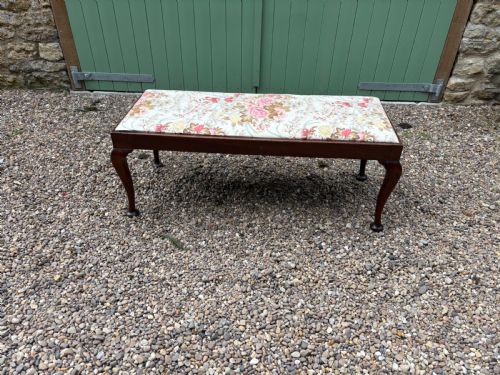
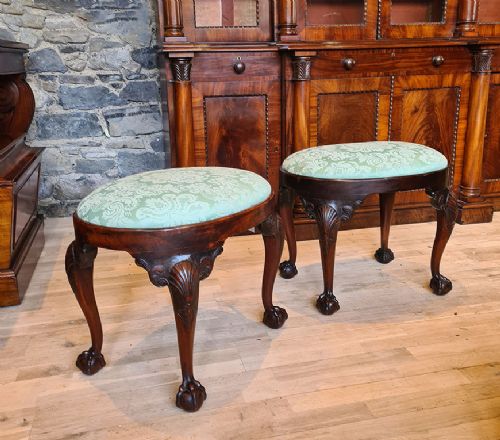
When you search for a george iii bench, you encounter seating forms ranging from long stools and window seats to settees, settles, and sofas created during the Georgian era and later revivals. The listings demonstrate that mahogany predominates as the primary timber, often accompanied by satinwood, elm, and pine.
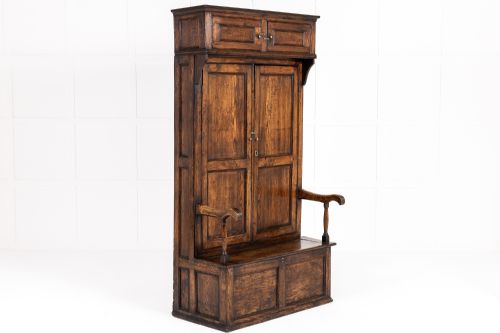
You are most likely to meet mahogany duet stools, square tapering leg stools, and upholstered long stools featuring brass studs or buttoned leather. Settees and sofas display stylistic links to Sheraton and Hepplewhite designs, while specialised pieces include bacon settles, bed foot stands, and primitive table chairs.
The period scope extends from the 18th century through 19th-century revivals up to the early 20th century, encompassing painted satinwood caned settees alongside substantial elm and mahogany framing. This variety reflects both original workshop production and subsequent interpretations of Georgian aesthetics.
Materials and construction
The construction relies heavily on solid mahogany, elm, and satinwood, worked by cabinetmakers using traditional joinery techniques suited to structural longevity. Timber selection dictates the weight and grain definition of each frame, from the dense red-brown tones of mahogany to the paler hues of satinwood and pine.
Surface treatments vary between polished timber, painted satinwood finishes, and applied upholstery incorporating fabric, textile, and buttoned leather secured with brass studs. Caning appears on specific seat panels, while structural support is achieved through square tapering legs and sturdy framing designed for daily utility.
George III Bench Retail Price Guide 2026
Typical asking prices for george iii bench among the pieces listed under this phrase on Sellingantiques today, from the lower quarter to the upper quarter. They describe what is for sale here now, not the wider market.
Bacon settles kept families warm by the hearth while curing meat overhead, proving that Georgian furniture worked double shifts.
Assessing quality and proportion
Quality rests in the elegance of proportions and the precision of timber selection, distinguishing well-drawn frames from heavier or simpler constructions. Superior examples show careful attention to leg taper, carving crispness, and the harmony between the seat height and overall length.
The integrity of the original timber and the refinement of subsidiary details, such as brass studding on leather or the execution of painted satinwood decoration, elevate certain pieces. Simpler provincial items, such as elm bacon settles or pine table chairs, rely on robust utility and straightforward vernacular craftsmanship rather than ornamental refinement.
Gillows of Lancaster
The George III Bench Glossary
- Duet stool
- A long seat designed to accommodate two keyboard players, typically featuring an upholstered top and substantial wooden frame. These pieces offer generous proportions similar to wide window seats.
- Bacon settle
- A high-backed wooden bench, frequently constructed from elm, historically positioned near a kitchen hearth to cure meat in the warmth. The high back shielded occupants from draughts.
- Settee
- An upholstered or wooden seat with a back and arms, built to seat multiple people. Georgian examples often incorporate Hepplewhite or Sheraton revival design motifs.
- Caned
- Woven rattan material stretched across a wooden seat frame to create a resilient, lightweight surface. This technique appears on painted satinwood frames.
- Square tapering leg
- A straight furniture leg that narrows uniformly toward the foot, characteristic of late 18th-century cabinetmaking. It lightened the visual weight of large seating frames.
George III Bench: Frequently Asked Questions
How do I identify a genuine piece?
Examine the timber grain, joinery methods, and proportions to understand whether a piece originates in the 18th century or represents a later revival.
Look for hand-cut joints, timber ageing consistent with age, and structural characteristics matching documented Georgian forms.
Were these seats used dining or resting?
Many long stools, window seats, and settees served in reception rooms, bedrooms, or hallways rather than primary dining spaces.
Specialised forms like bacon settles and table chairs fulfilled specific domestic functions in kitchens and farmhouse interiors.
How should I care for upholstered leather?
Maintain leather surfaces by keeping them away from direct sunlight and conditioning the material periodically to prevent drying.
Ensure brass studs and wooden frames are dusted gently without introducing moisture that could harm the surrounding fabric or leather.
What distinguishes Hepplewhite revival pieces?
Revival pieces from the 19th century imitate the delicate shield backs, painted decoration, and refined leg shapes popularized in the 18th century.
Comparing construction clues and secondary woods helps determine whether an item dates to the original Georgian period or a later workshop.