




Geometric Wooden Shelves
Geometric wooden shelves bring striking lines and period character into a room, offering functional display space with distinct architectural presence.
Geometric Wooden Shelves
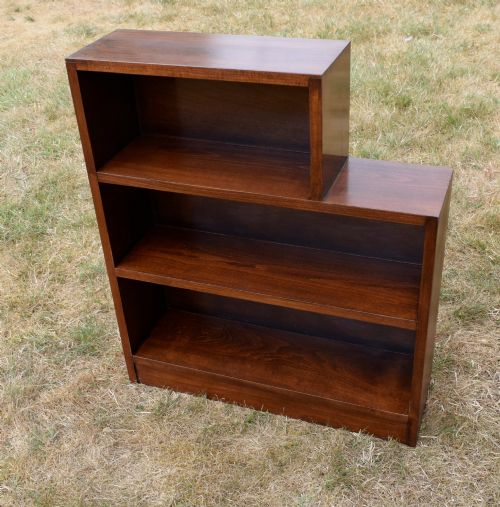
Geometric wooden shelves encompass structural wall displays and connected furniture forms reflecting early twentieth century design. Buyers exploring geometric wooden shelves encounter items tied to the Art Deco and Amsterdam School periods, alongside nineteenth century Welsh country traditions.
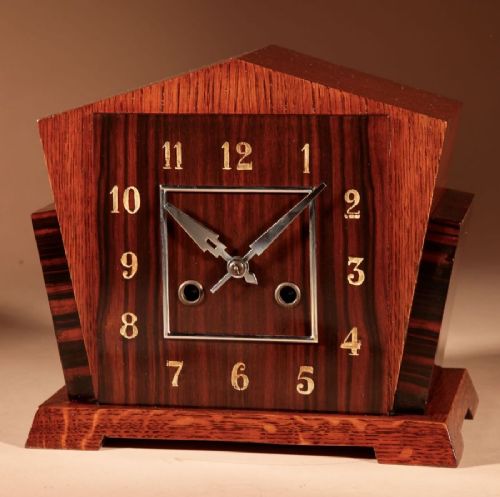
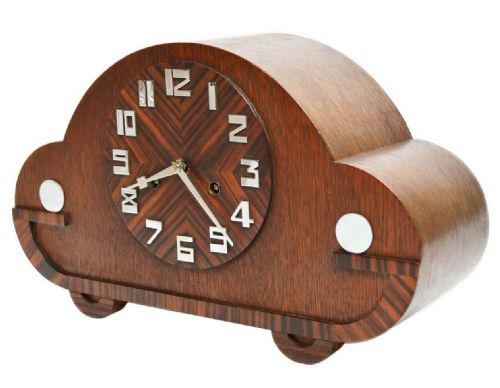
The objects available span functional furniture including bookcases, bedside tables, and dressers, as well as architectural mantel clocks that showcase distinct geometric wooden framing. These pieces draw attention through linear arrangements and varied timber grains.
How they were made
Construction relies on oak, walnut, and macassar ebony, often applied as fine veneers over stable timber bases. Workshops utilised contrasting wood tones and applied chrome or glass accents to accentuate the linear forms.
Joinery techniques reflect both regional vernacular methods and industrial twentieth century cabinet making, ensuring structural rigidity behind the decorative geometric facades.
The selection includes regional vernacular furniture alongside German and English timepiece designs.
What varies in quality
Quality rests in the precision of the timber matching and the subtlety of the veneer work across multi-tonal surfaces. Finer examples display harmonious grain selection that emphasises the architectural geometry.
The integration of secondary materials such as chrome and glass separates standard production from ambitious design. Superior pieces maintain crisp angles and balanced proportions that anchor a room.
Bravingtons Ltd of London·Pfeilkreuz Junghans
The Geometric Wooden Shelves Glossary
- Art Deco
- A design style emerging in the early twentieth century characterised by sleek lines, geometric shapes, and modern materials. It dominates the aesthetic of these pieces.
- Macassar Ebony
- A dense exotic timber featuring distinctive dark brown and black stripes with golden brown undertones. It provides striking contrast in veneered surfaces.
- Walnut Veneer
- Thin slices of walnut wood applied to a core structure to create decorative patterned surfaces. This technique allows for complex grain displays.
- Amsterdam School
- A stylistic movement originating in the Netherlands emphasising expressive forms, rounded brickwork, and rich timber detailing.
Geometric Wooden Shelves: Frequently Asked Questions
How do I identify Art Deco period pieces?
Art Deco items show distinct linear symmetry, stepped forms, and contrasting veneers. They often incorporate modern metals and glass.
Look for architectural massing and disciplined geometric arrangements rather than organic curves.
What woods were commonly used?
Maker workshops utilised oak, walnut, and exotic veneers like macassar ebony. These timbers provided rich natural patterns.
Craftsmen paired these woods with chrome trim to highlight the structural geometry.
How should I clean wood veneer?
Dust surfaces regularly with a soft, dry cloth to prevent dirt accumulation. Avoid harsh chemical polishes.
Maintain moderate room humidity to keep the underlying veneer stable and secure.
Are these items strictly English?
Origin varies across English workshops, German houses, and Dutch schools of design. International influences shaped the surviving objects.
Examining construction details helps clarify the regional workshop origin.