




Geometric Wooden Lamp
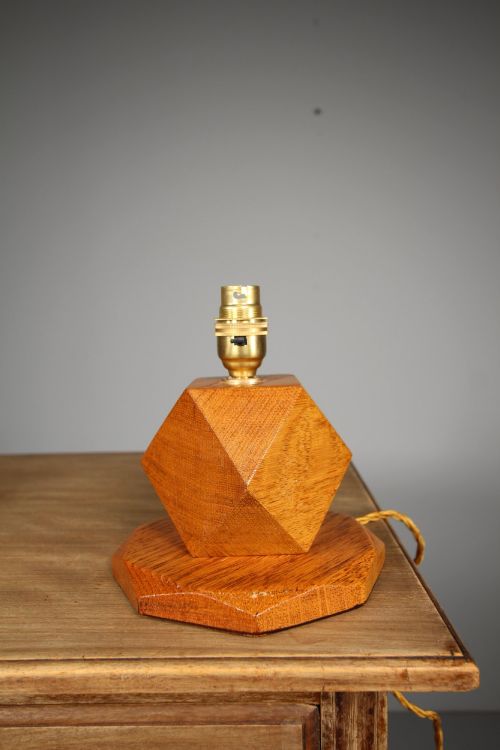
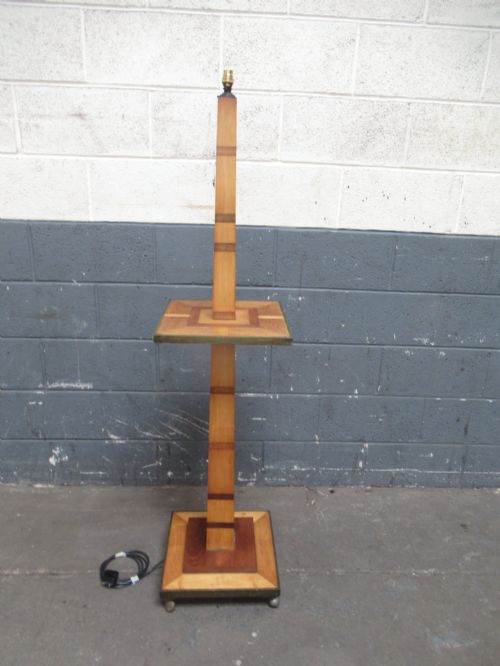
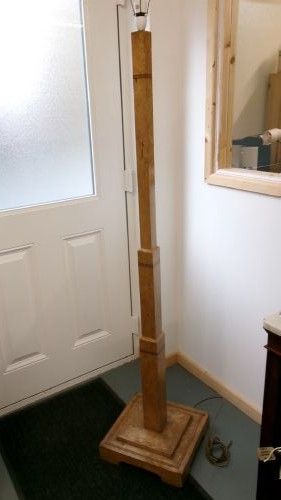
These geometric wooden lamp pieces offer striking structural forms and warm tones that anchor a room with architectural presence.
Geometric Wooden Lamp
A geometric wooden lamp sits at the intersection of functional lighting and architectural form, drawing the eye with structured lines and balanced proportions. When searching for a geometric wooden lamp, buyers encounter pieces primarily from the Art Deco period alongside earlier Victorian and nineteenth-century examples.
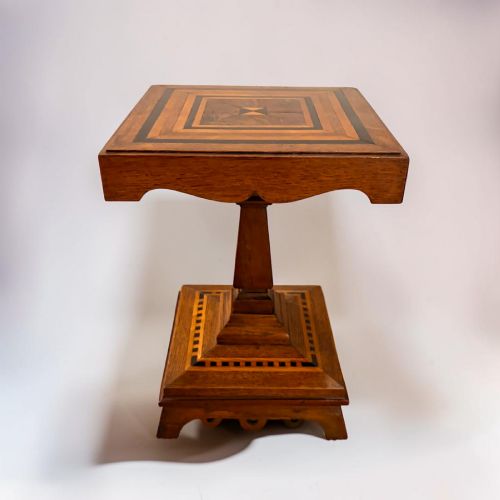
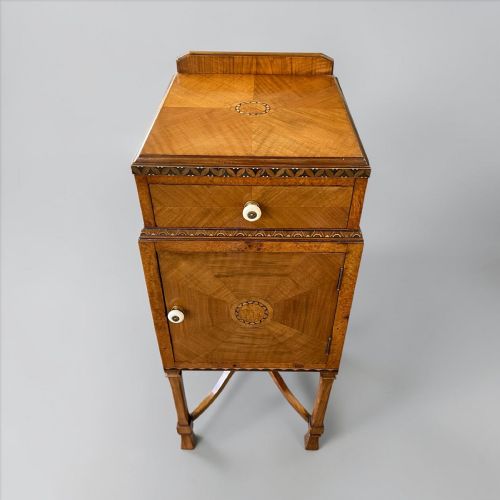
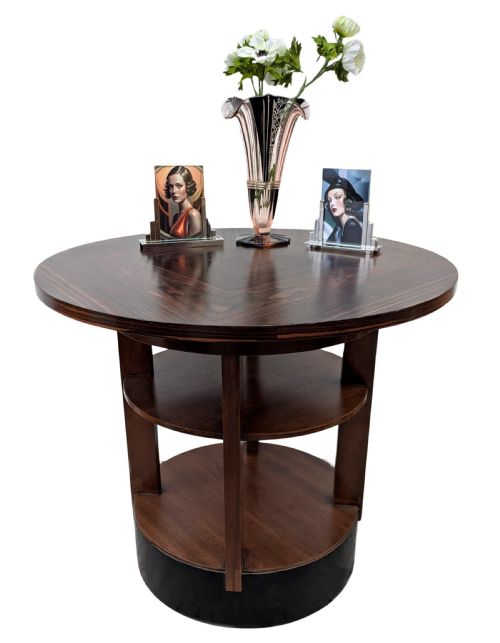
The selection ranges from tall floor and standard lamps to versatile occasional, side, and bedside tables that double as lamp tables. Oak, walnut, and ebonised wood dominate the forms, frequently enriched with contrasting veneers and geometric inlay work.
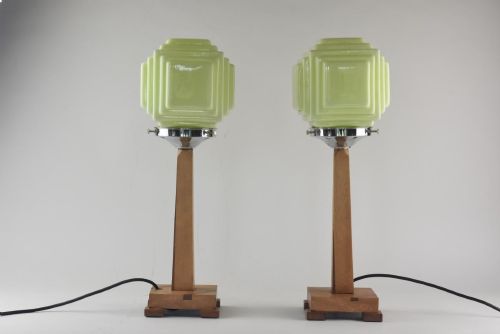
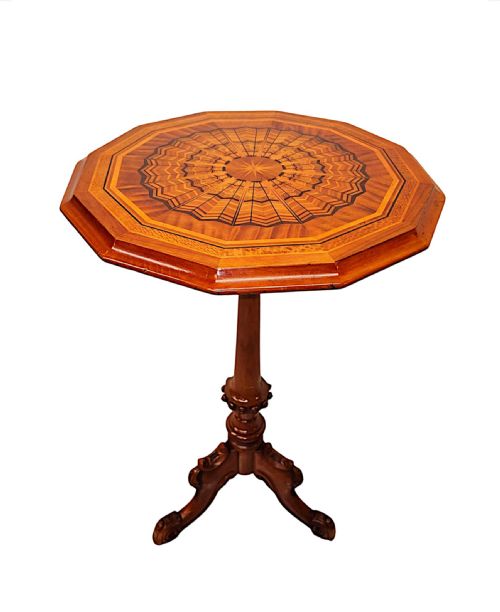
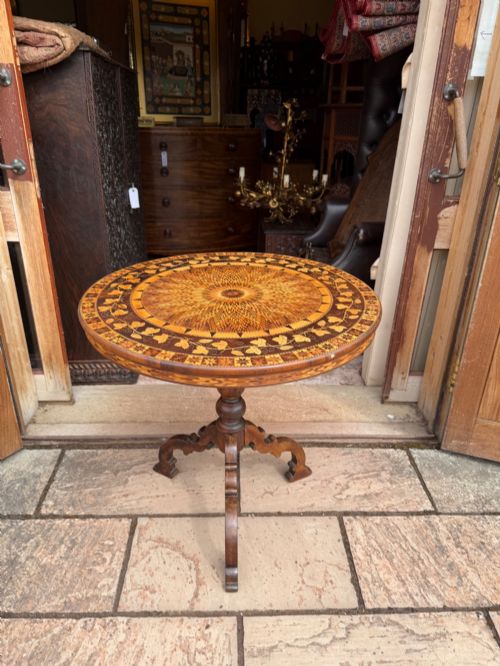
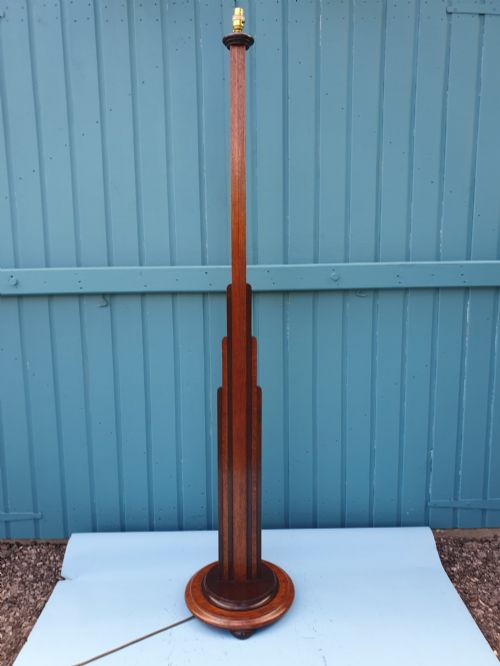
Art Deco standard and floor lamps showcase the characteristic stepped skyscraper styles of the nineteen-twenties and thirties. Alongside these, nineteenth-century tripod and pedestal tables provide surfaces designed to hold lighting in period interiors.
Materials and construction methods
Cabinet makers utilised dense hardwoods such as oak and walnut as the foundational structures for these lamps and tables. Contrasting woods like ebony and satinwood were applied as intricate veneers to create sharp geometric patterns and visual depth.
Makers incorporated brass elements alongside ebonised wood to accentuate the structural lines of the design. Traditional joinery and fine inlay techniques, including Italian Sorrento work, defined the surface ornamentation across both the nineteenth-century and Art Deco periods.
Geometric Wooden Lamp Retail Price Guide 2026
Typical asking prices for geometric wooden lamp among the pieces listed under this phrase on Sellingantiques today, from the lower quarter to the upper quarter. They describe what is for sale here now, not the wider market.
Some nineteenth-century tables arrive ready for restoration, awaiting someone willing to restore their dignity.
Evaluating craftsmanship and design
Quality rests in the precision of the geometric inlay and the selection of figured timber veneers. Superior examples display seamless alignment in multi-tiered or octagonal constructions, where the grain of the wood enhances the architectural silhouette.
The integrity of the original materials separates finer items from later alterations or heavy restorations. Grain consistency in blond walnut or golden oak provides visual harmony that elevates the piece within its style.
Gillows·Anton Seuffer
The Geometric Wooden Lamp Glossary
- Art Deco
- A design style from the nineteen-twenties and thirties characterised by sleek geometric shapes, streamlined forms, and modern industrial influences. It manifests in standard lamps and tiered tables with distinct vertical emphasis.
- Satinwood
- A durable, lustrous timber native to India and Ceylon, prized for its pale yellow colour and satin-like sheen. Makers used it extensively for contrasting inlay work and decorative banding.
- Ebonised wood
- Timber treated with a dark stain or chemical process to imitate expensive ebony. This technique provided stark black contrasts against lighter woods in geometric patterns.
- Sorrento ware
- Italian inlaid woodwork originating from the town of Sorrento, featuring intricate geometric and pictorial mosaics. It appears on nineteenth-century pedestal and occasional tables.
- Occasional table
- A small, moveable table designed for specific, intermittent use within a room. Many period variants function effectively as lamp tables beside seating.
Geometric Wooden Lamp: Frequently Asked Questions
What periods do these lamps date from?
The selection spans from nineteenth-century Victorian designs through to the nineteen-twenties and thirties Art Deco era. Most standard and floor lamps reflect the geometric architecture of the interwar years.
Earlier nineteenth-century examples tend to be occasional tables and tripod stands adapted for lighting, featuring intricate marquetry and turned pedestals.
Which woods are most common?
Oak and walnut form the primary structure for the majority of standard lamps and tables. Golden oak and blond walnut appear frequently in Art Deco pieces.
Accents of ebony, satinwood, and ebonised wood provide the contrasting tones necessary to highlight the geometric patterns of the period.
Are these pieces functional lighting?
Standard and floor lamps are designed to illuminate living spaces while serving as sculptural elements. Buyers often pair them with period-appropriate shades to complete the silhouette.
Lamp tables and occasional tables provide sturdy surfaces specifically proportioned to hold table lamps beside seating areas or beds.
How do I identify Art Deco pieces?
Art Deco lighting and furniture rely on symmetry, stepped skyscraper profiles, and clean vertical lines. The use of blond walnut and contrasting ebonised details is typical of this era.
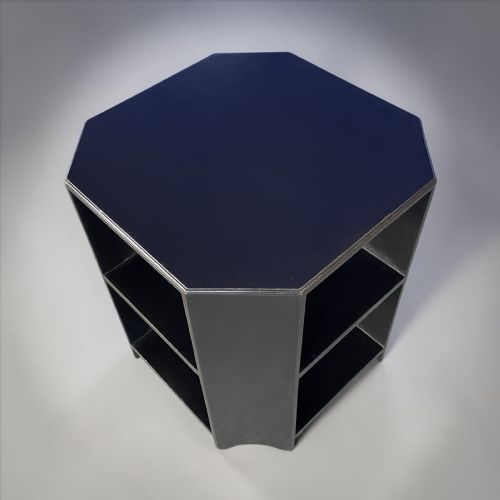
Construction from the nineteen-twenties and thirties also favours octagonal table tops and multi-tiered centre structures without ornate Victorian carvings.