


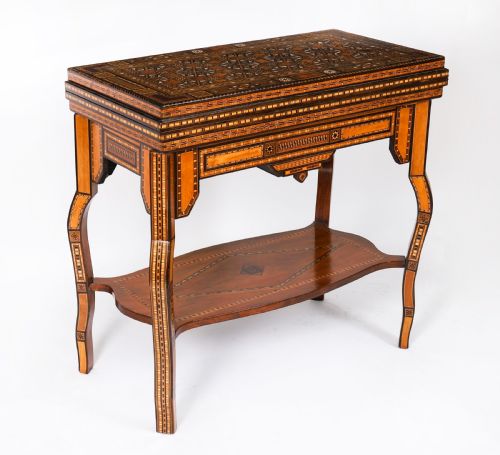


Geometric Walnut Table
A geometric walnut table brings striking patterned timber work into a room, spanning periods from the seventeenth century through to Art Deco designs.
Geometric Walnut Table
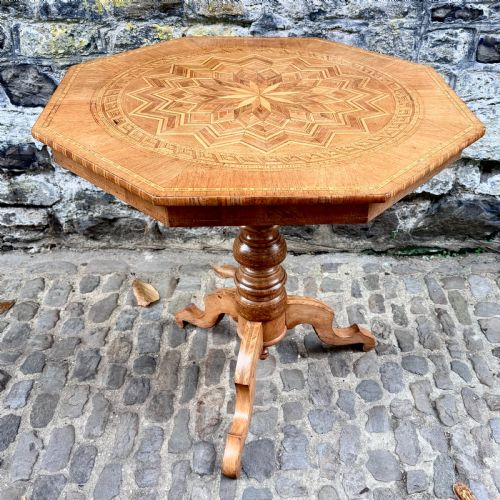
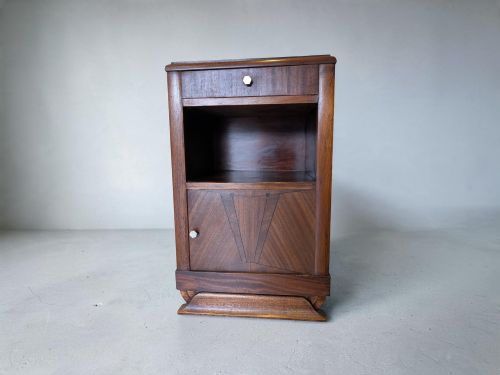
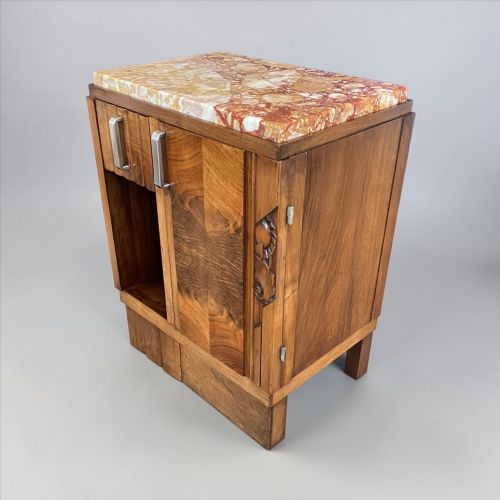
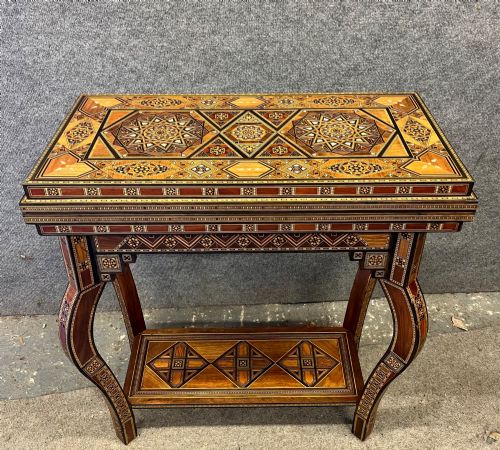
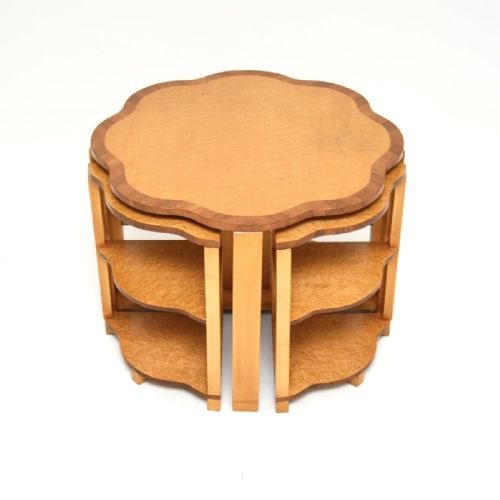
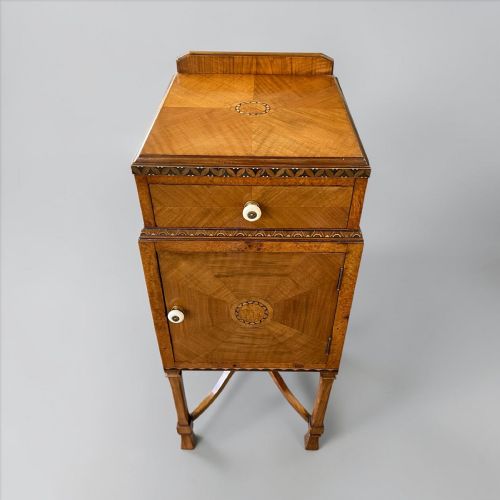
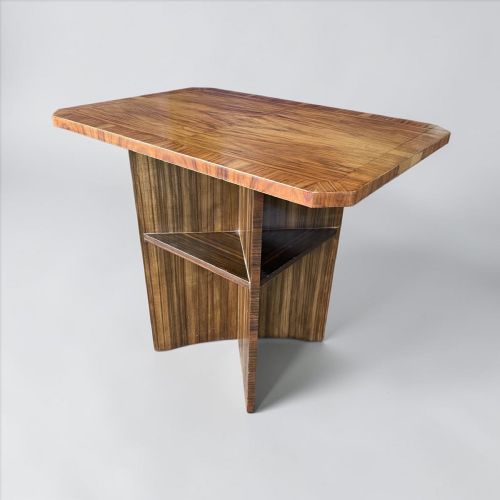
A geometric walnut table is primarily represented here by occasional tables, centre tables, coffee tables, and nests of tables utilising patterned wood surfaces. These pieces draw the eye through deliberate arrangement of grain and inlay across the top.
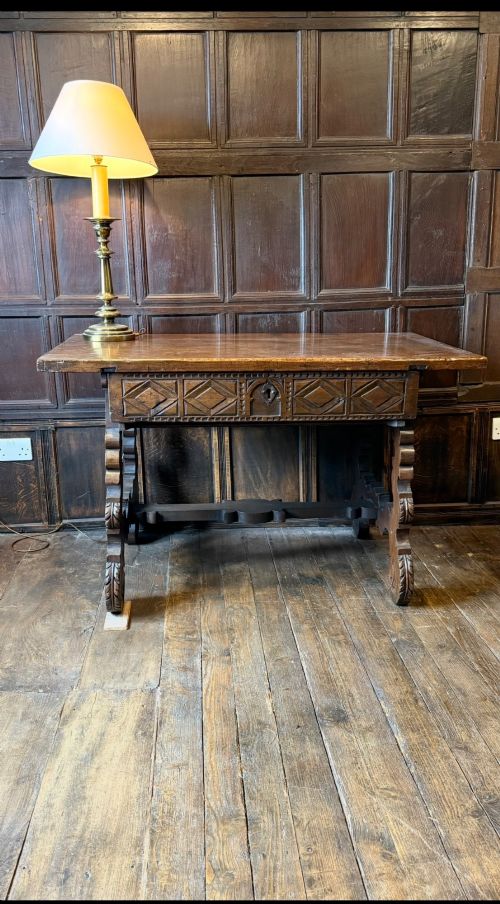
Makers and workshops across the Victorian era, the nineteenth century, and the nineteen-thirties applied geometric precision to domestic furniture forms. Buyers meet examples ranging from late seventeenth-century parquetry side tables to modernist two-tier occasional designs.
How they were made
Craftsmen utilised walnut and walnut veneer alongside fruitwood, satinwood, and oak to build the structural forms and decorative surfaces. These timbers allowed for sharp contrast and distinct linear patterns across table tops.
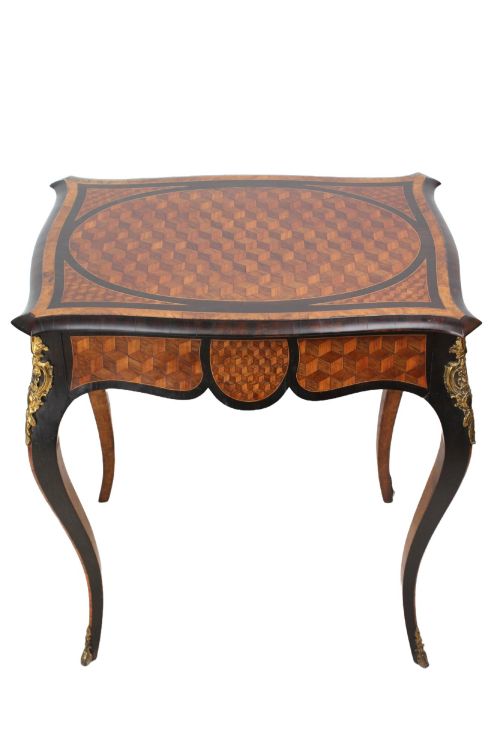
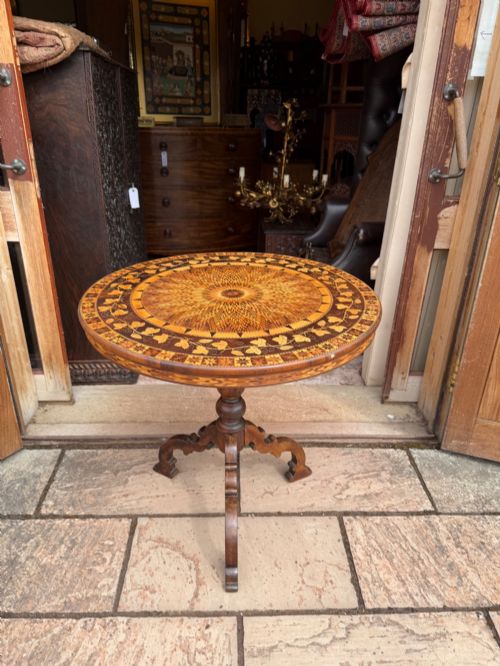
Makers employed parquetry, marquetry, and inlay techniques to assemble geometric arrangements of wood, bone, and specimen woods. Frames often incorporated turned pedestals, tripod bases, or chrome supports depending on the period of manufacture.
Geometric Walnut Table Retail Price Guide 2026
Typical asking prices for geometric walnut table among the pieces listed under this phrase on Sellingantiques today, from the lower quarter to the upper quarter. They describe what is for sale here now, not the wider market.
Listings span multiple eras from the seventeenth century through to nineteen-thirties Art Deco designs.
What varies in quality
Quality rests in the precision of the geometric inlay and the selection of highly figured veneers used on the surface. Finer examples display seamless alignment across parquetry patterns and careful matching of the walnut grain.
The integrity of the underlying timber construction and the sophistication of the joinery distinguish higher grade pieces from standard utility furniture. Superior tables maintain stability in their pedestals, tiers, and joints without relying on heavy restoration.
JAS Shoolbred·Heal's
The Geometric Walnut Table Glossary
- Parquetry
- A geometric mosaic of wood pieces used for decorative floors and table tops. This technique creates repeating patterns like squares, triangles, and lozenges across the surface.
- Veneer
- A thin slice of superior wood applied over a base of common timber. Highly figured walnut veneer provides the rich surface patterns seen on mid-nineteenth-century and Art Deco tables.
- Specimen wood
- Various different timber species collected and used together in decorative inlay work. These woods show contrasting natural tones without artificial staining.
- Pedestal table
- A standalone table supported by a central column rather than standard corner legs. This form allows unobstructed access around the edge of the top.
- Centre table
- A freestanding table designed to be viewed from all sides in the middle of a room. These pieces often feature all-round decoration on the top surface.
Geometric Walnut Table: Frequently Asked Questions
What is a geometric walnut table?
A geometric walnut table is a piece of furniture featuring patterned wood arrangements, such as parquetry or inlaid squares and triangles, constructed primarily from walnut or walnut veneer. These tables include forms like coffee tables, centre tables, and occasional stands.
They serve both practical surfaces and decorative focal points within a room. The geometric elements highlight the natural grain and colour variations of the timber.
How do I date a geometric table?
Dating relies on observing the structural form, leg style, and secondary woods alongside the geometric pattern design. Seventeenth-century and Victorian examples show traditional turned legs or heavy pedestals, whereas nineteen-thirties pieces utilise streamlined tiers or chrome supports.
Evidence from the materials also helps determine the age, as later twentieth-century pieces frequently employ high gloss veneer and synthetic binders. Comparing the joinery methods provides further clarity on the period of manufacture.
Where should I place a centre table?
A centre table belongs in an open space where its patterned top and surrounding wood details remain visible from all angles. These freestanding pieces suit entrance halls, libraries, or living rooms as central display surfaces.
Because they lack a specific front or back, they anchor a room layout effectively. Placing them away from walls prevents obstruction of the detailed edge work.
How do I care for walnut veneer?
Walnut veneer requires protection from direct sunlight and excessive moisture to prevent the thin surface timber from warping or fading. Regular dusting with a soft, dry cloth preserves the finish without wearing down the grain.
Avoiding harsh chemical polishes ensures the historical polish or wax remains intact. Maintaining stable indoor humidity prevents the underlying wood from expanding and lifting the veneer.