



Geometric Mantel Clock
A geometric mantel clock brings sharp architectural lines and period mechanical precision into a room.
Geometric Mantel Clock
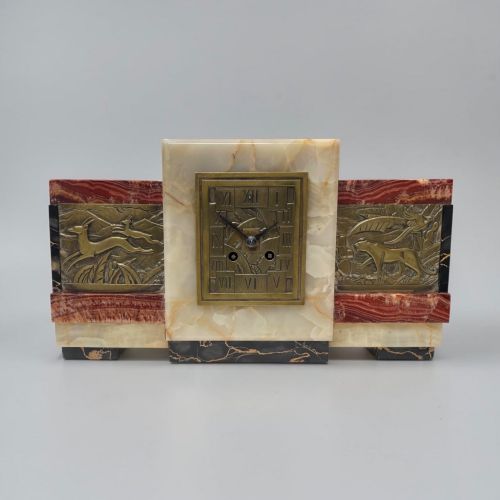
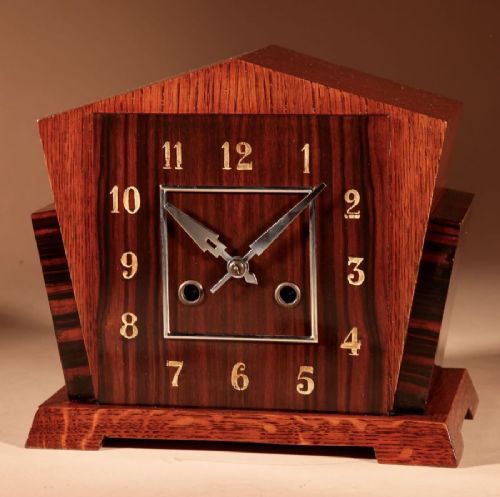
A geometric mantel clock anchors a shelf or fireplace with strong linear forms characteristic of the early twentieth century. Buyers seeking a geometric mantel clock encounter pieces predominantly styled in Art Deco and Amsterdam School designs spanning from nineteen ten to nineteen forty.
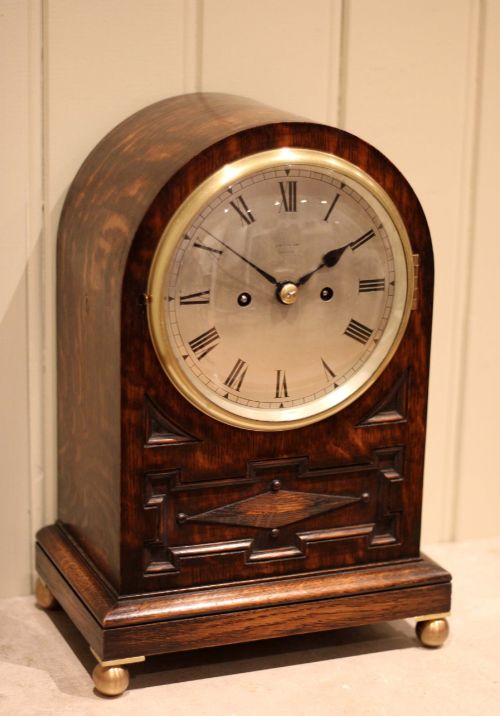
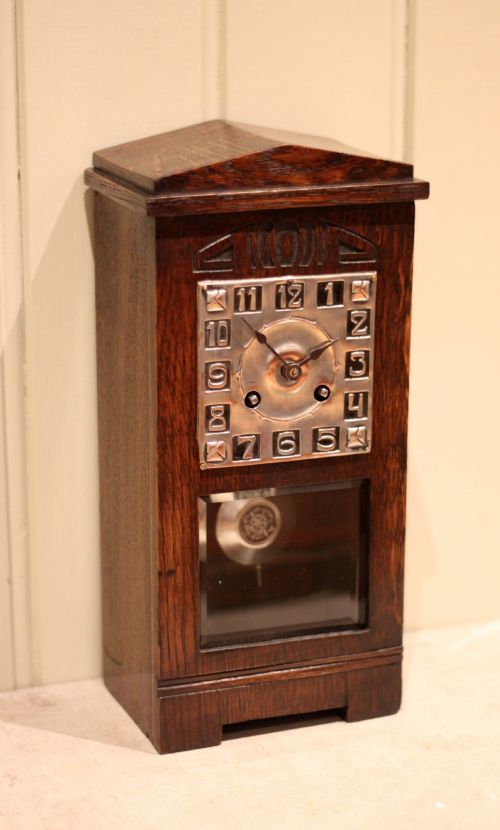
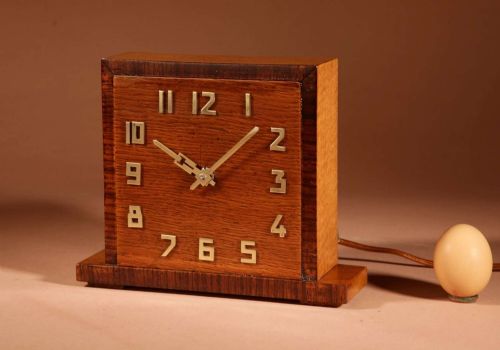
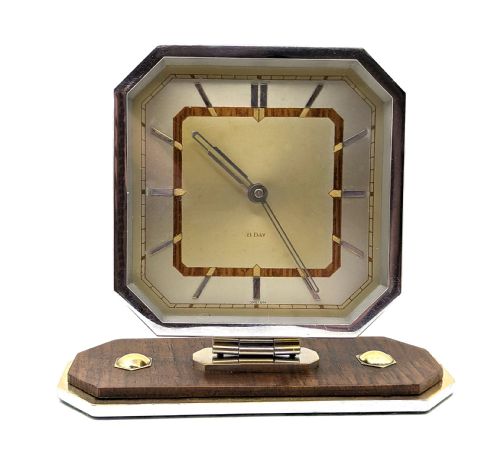
The selection ranges from traditional wooden mantel clocks and marble garnitures to glass timepieces and desk clocks with mechanical eight day movements. These objects combine timekeeping utility with the distinct visual rhythm of the period.
How They Were Made
Makers utilised a diverse palette of materials including oak, walnut, rosewood, macassar ebony, and coromandel for wooden cases. Mineral elements such as marble, onyx, glass, and chrome-plated metal provide industrial contrast and smooth reflective surfaces.
Movements were integrated into structured housings of varying profiles, incorporating exposed dials, chrome trim, and inset glass panels. Structural assembly relied on traditional cabinetmaking alongside metal fabrication to achieve crisp angles and symmetrical facades.
Geometric Mantel Clock Retail Price Guide 2026
Typical asking prices for geometric mantel clock among the pieces listed under this phrase on Sellingantiques today, from the lower quarter to the upper quarter. They describe what is for sale here now, not the wider market.
Listings span four decades from nineteen ten to nineteen forty, incorporating oak, walnut, chrome, glass, and marble.
What Varies in Quality
Quality rests in the precision of the joinery, the selection of figured veneers like walnut and macassar ebony, and the integrity of stone bodies such as marble and onyx. Superior examples display harmonious proportions where the dial design matches the architectural severity of the outer case.
The sophistication of the internal movement further separates standard production from finer pieces, particularly those housing specialised eight day systems or electrical mechanisms by noted makers. Original condition of plated elements and glass panels preserves the intended visual weight of the design.
Smiths Clockmakers·Mappin & Webb·Asprey·Junghans·CYMA
The Geometric Mantel Clock Glossary
- Garniture
- A set comprising a central clock flanked by matching decorative objects such as urns or animal sculptures. These matched groupings were designed to sit symmetrically on a mantelpiece.
- Bakelite
- An early synthetic thermosetting plastic utilised for brightly coloured clock cases during the interwar period. It allows for moulded geometric shapes and glossy finishes.
- Movement
- The internal mechanical mechanism that drives the clock hands and powers any chiming function. Many period examples utilise eight day movements requiring weekly winding.
- Amsterdam School
- An architectural and design style originating in the Netherlands characterised by rounded brickwork, expressive forms, and rich timber detailing. Applied to clocks, it manifests in organic yet geometric wooden cases.
- Skyscraper clock
- A tall, stepped timepiece design inspired by early twentieth century urban architecture. The vertical tiers emphasise height and angular setbacks.
Geometric Mantel Clock: Frequently Asked Questions
How do I wind an eight day clock?
Insert the winding key into the designated dial holes and turn gently until resistance is felt. Care should be taken not to overwind the mainspring.
Most mechanical movements of this era require attention once a week to maintain accurate timekeeping across the dial.
Where should I place a heavy marble clock?
Position the piece on a stable, level surface capable of supporting considerable weight, such as a sturdy mantel shelf or sideboard. Avoid areas prone to excessive vibration or direct sunlight that might affect the stone and internal mechanism.
Ensuring a level foundation helps the pendulum and escapement operate without friction.
How do I identify an Art Deco clock?
Look for symmetrical geometric shapes, stepped architectural profiles, and combinations of contrasting materials like chrome and black marble. Dial numerals often feature stylised sans serif typography typical of the interwar period.
Cases frequently employ a mix of exotic wood veneers and polished metals rather than traditional floral carving.