



Geometric Floor Lamp
A geometric floor lamp brings striking twentieth-century lines into a room, offering both sculptural presence and functional illumination.
Geometric Floor Lamp
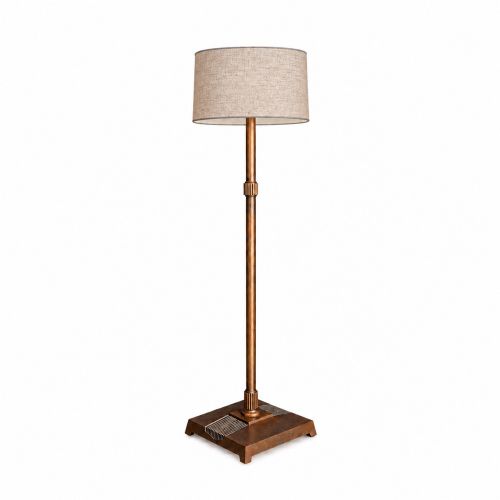
A geometric floor lamp defined by this search phrase encompasses tall lighting fixtures designed during the early twentieth century. These pieces stand as standard lamps or uplighters, casting light while serving as vertical columns within a room.
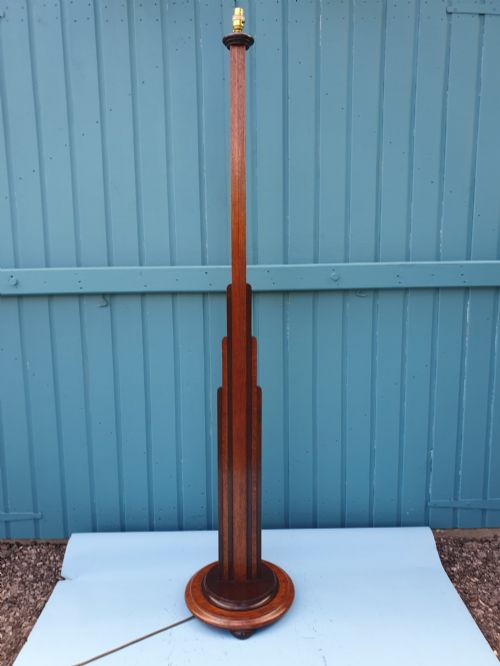
The specimens seen here originate predominantly from the Art Deco period, spanning the nineteen-twenties and nineteen-thirties. Buyers encounter architectural forms like the skyscraper style alongside simpler columnar standards.
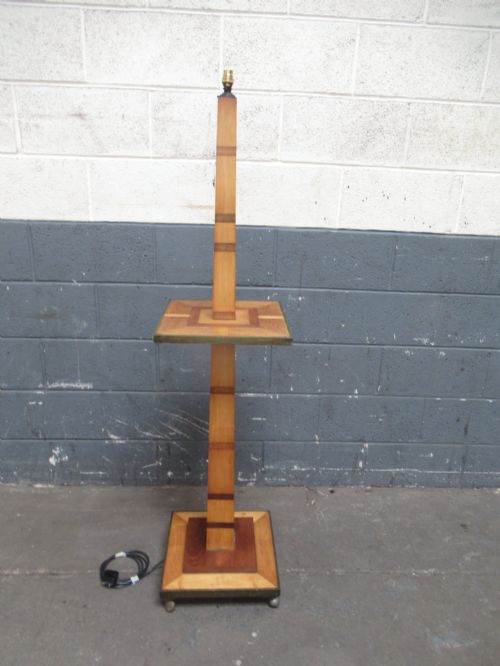
Construction relies heavily on timbers such as oak and walnut, frequently paired with metals including brass and copper. Certain examples incorporate contrasting elements like ebony alongside golden oak.
How they were made
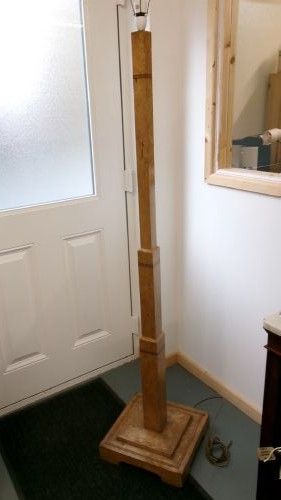
Cabinetmakers and metalworkers utilised solid woods, including oak, satinwood, and walnut, often shaping them into substantial shafts or stepped bases. Metal components in copper and brass were spun, cast, or patinated to form structural supports and reflectors.
Makers constructed these standards to integrate wiring while maintaining clean architectural silhouettes. Surface finishes relied on polished woodgrains and treated metals to accentuate the linear geometries typical of the era.
Geometric Floor Lamp Retail Price Guide 2026
Typical asking prices for geometric floor lamp among the pieces listed under this phrase on Sellingantiques today, from the lower quarter to the upper quarter. They describe what is for sale here now, not the wider market.
Some oak standards borrow the towering geometry of Manhattan skyscrapers to illuminate an ordinary corner.
What varies in quality
Distinction across these standards lies in the handling of materials and the ambition of the silhouette. Pieces displaying contrasting timbers like ebony on golden oak demonstrate greater complexity than plain wooden shafts.
The architectural execution of stepped tiers, particularly in skyscraper or Odeon styles, sets superior examples apart. Heavier metalwork in solid copper or brass provides stability and presence that lighter alloys lack.
The Geometric Floor Lamp Glossary
- Art Deco
- A design style dominant between the First and Second World Wars characterised by streamlined forms and geometric patterns. It influences the silhouette of nearly every standard lamp from this era.
- Standard lamp
- A tall freestanding floor lamp designed to illuminate a room from a fixed vertical position. These objects often anchor seating arrangements in period interiors.
- Uplighter
- A lighting fixture directing illumination upward toward the ceiling rather than downward. This configuration gained popularity during the nineteen-thirties.
- Skyscraper style
- An architectural and decorative motif mimicking the stepped setbacks of early high-rise buildings. It appears frequently in the woodwork of period floor lamps.
- Satinwood
- A durable hardwood yielding a lustrous golden finish. Craftsmen utilised it for pale contrasting details on standard lamps.
Geometric Floor Lamp: Frequently Asked Questions
What is a geometric floor lamp?
These fixtures are tall lighting stands produced during the early decades of the twentieth century, featuring linear and angular silhouettes. They provide ambient illumination while acting as sculptural vertical elements.
Most examples date from the Art Deco period, incorporating stepped forms and architectural profiles. They utilise combinations of timber and metal to achieve their distinct shapes.
How were standard lamps used?
Standard lamps provided flexible room lighting before ceiling fixtures became the primary source of illumination. Placed beside seating areas, they delivered direct light for reading or softer ambient glow.
Uplighter variants directed light toward the ceiling to wash the entire space. Their height allowed them to illuminate corners without requiring table surfaces.
How do I date a floor lamp?
Dating relies on identifying period characteristics in the materials and silhouette. Pieces from the nineteen-twenties and nineteen-thirties typically exhibit the streamlined geometry of the Art Deco style.
Woods like oak and walnut, combined with brass or copper elements, point directly to these interwar decades. Construction methods and wiring cavities also indicate the manufacturing era.
How do I live with these lamps?
Integrating an interwar standard lamp involves pairing its architectural wood or metal finish with complementary interior tones. Placing the piece where its vertical lines draw the eye upward enhances room proportions.
Ensure the wiring meets modern safety standards before daily use. These lamps function effectively beside armchairs or in empty corners requiring height and light.