





Geometric Coffee Table
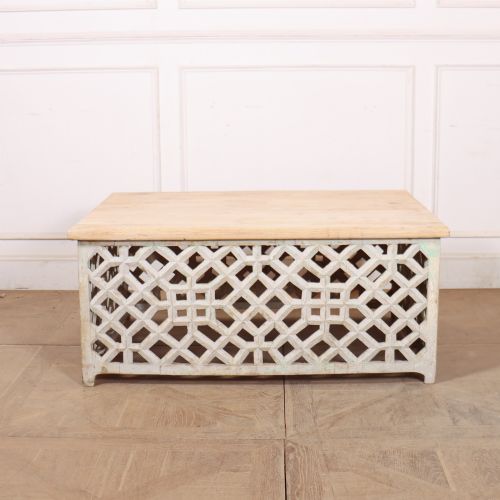
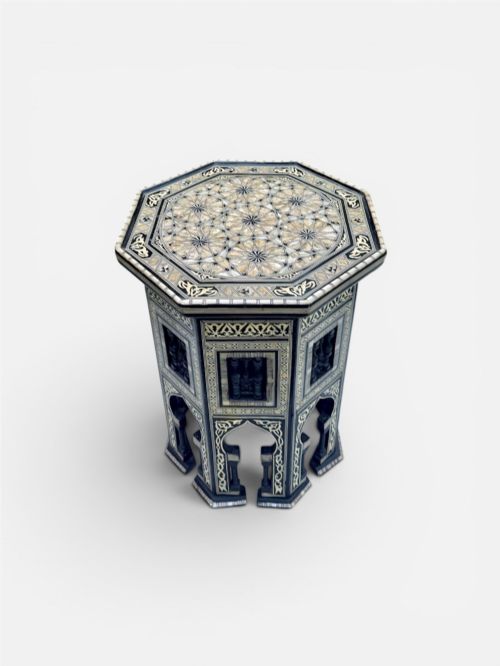
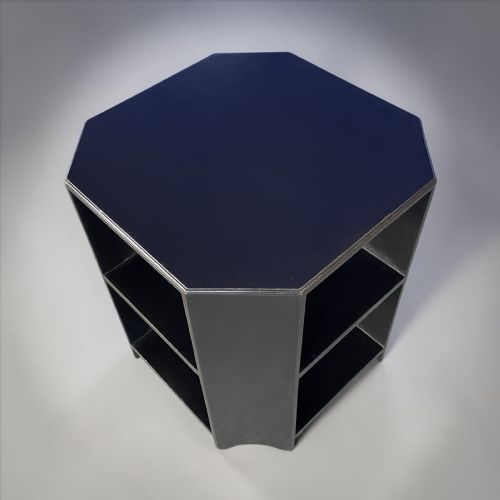
A geometric coffee table anchors a room with pattern and structure, spanning periods from nineteenth-century inlaid parquetry to sleek Art Deco designs.
Geometric Coffee Table
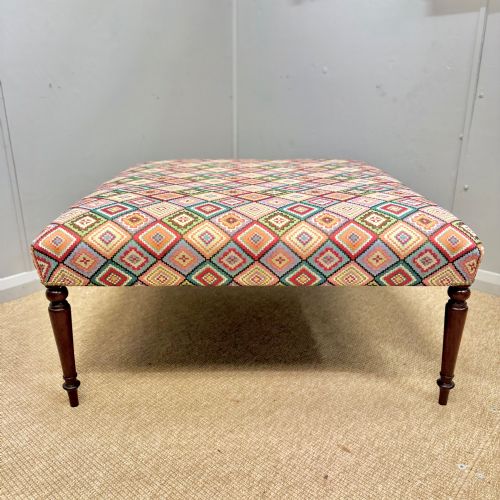
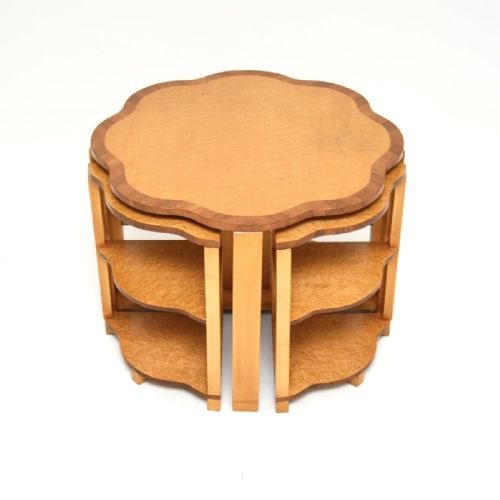
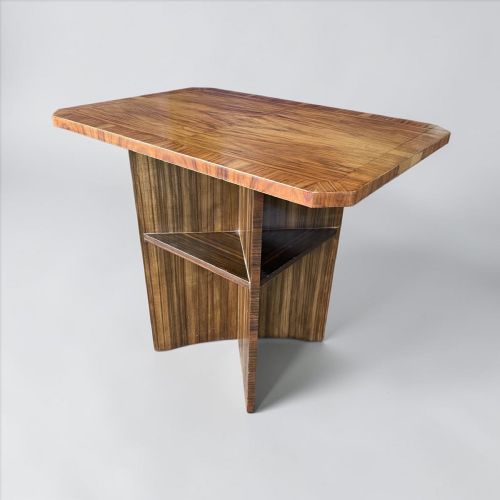
A geometric coffee table brings structural pattern and balanced design into a room, drawing on forms from nineteenth-century inlaid parquetry to streamline Art Deco creation. You will frequently encounter tables from the nineteen-thirties alongside nineteenth-century examples featuring detailed woodwork or upholstered tops.
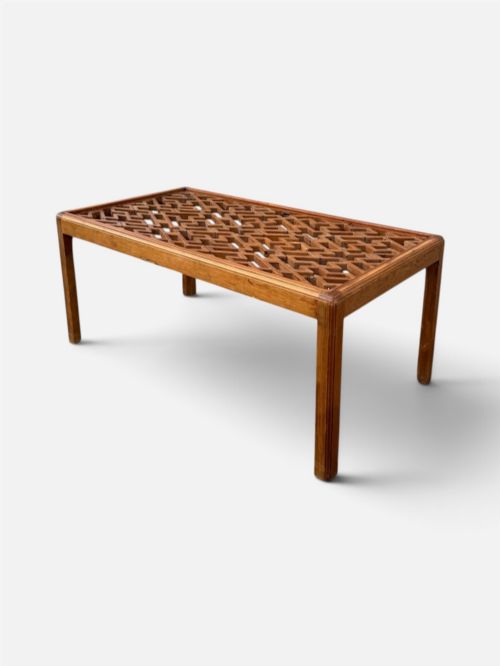
These low tables serve varied functions within a space, appearing as coffee tables, occasional surfaces, nesting sets, or low footstools. The selection bridges English country house styles, oriental fretwork panels, and continental European inlay techniques.
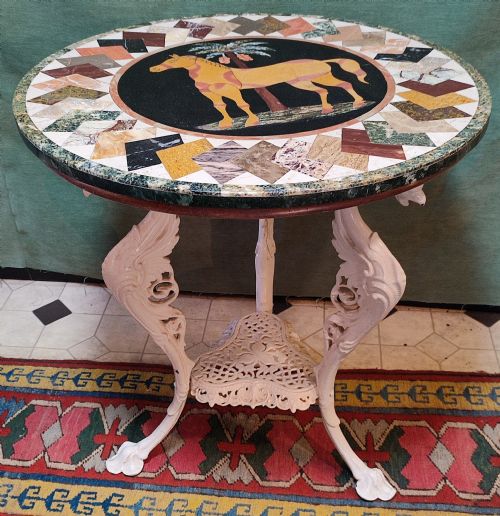
The materials span traditional timbers such as oak, walnut, and mahogany, often enhanced by specialised veneers, marble tops, or glass inserts. Each piece relies on defined lines and geometric arrangements to create visual interest in domestic interiors.
What varies in quality
The distinction between standard and superior examples lies in the precision of the parquetry and the choice of timber figure. Master craftspeople selected veneers with exceptional grain movement and aligned geometric motifs with absolute symmetry.
Construction methods also set pieces apart, particularly the joinery of nesting frames and the stability of inlaid tops over time. Finer specimens display seamless integration of decorative panels, whether dealing with wood, marble, or mother-of-pearl.
Geometric Coffee Table Retail Price Guide 2026
Typical asking prices for geometric coffee table among the pieces listed under this phrase on Sellingantiques today, from the lower quarter to the upper quarter. They describe what is for sale here now, not the wider market.
Listings feature items from the seventeenth century through to the mid-twentieth century, showcasing oak, walnut, mahogany, and ebonised wood.
Heal's
The Geometric Coffee Table Glossary
- Parquetry
- Geometric mosaic woodwork used for decorative floors and table tops. Small pieces of timber are arranged in repeating patterns such as squares, triangles, or lozenges.
- Art Deco
- A design style of the nineteen-twenties and nineteen-thirties characterised by streamlined forms, geometric shapes, and modern materials. It favoured bold lines over ornate Victorian carving.
- Sorrento Ware
- Intricate wooden inlay work originating from Sorrento in Italy. Craftsmen used tiny pieces of various coloured woods to depict architectural scenes, figures, or geometric patterns.
- Veneer
- A thin slice of figured wood applied to a stable timber base. Highly prized veneers created dramatic visual patterns without warping solid furniture.
- Occasional table
- A small, movable table designed for a specific, intermittent function in a room. These pieces could be easily repositioned for serving tea, holding books, or displaying objects.
Geometric Coffee Table: Frequently Asked Questions
How do I style a geometric coffee table?
Pair the patterned surface with plain seating to let the table's wood or inlay work stand out as a focal point. Keep accessories minimal so the geometric design remains visible.
Allow the natural tones of walnut, oak, or mahogany to complement existing woodwork in your room without competing with surrounding patterns.
What is parquetry?
Parquetry is a geometric mosaic of wood pieces used to create decorative patterns on furniture surfaces, particularly table tops. It differs from marquetry by focusing on geometric arrangements rather than pictorial scenes.
Craftsmen cut precise shapes from contrasting timbers to form repeating motifs that highlight the natural grain.
Are these tables sturdy enough for daily use?
Most pieces were built from solid hardwoods like oak and mahogany, making them durable for everyday living. Nesting tables and occasional surfaces handle normal household tasks easily.
Care should be taken with delicate marble tops or intricate parquetry to avoid heavy impacts or moisture damage.
How do I distinguish Art Deco tables from earlier styles?
Art Deco pieces from the nineteen-thirties feature clean, symmetrical lines, blonde oak, or highly figured veneers without traditional carving. They embrace modern simplicity compared to the heavier ornamentation of Victorian or Edwardian designs.
Look for streamlined silhouettes and geometric shapes that reflect machine-age influences rather than historical revivalism.