




Geometric Cocktail Ring
A geometric cocktail ring brings together bold lines, precious metals and striking stones from the art deco period and beyond.
Geometric Cocktail Ring
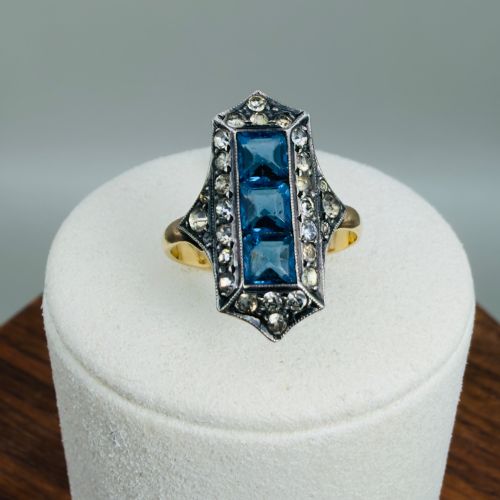
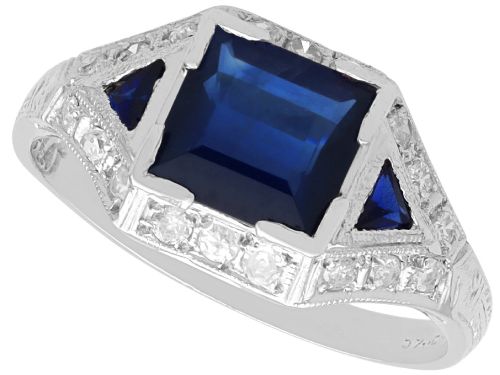
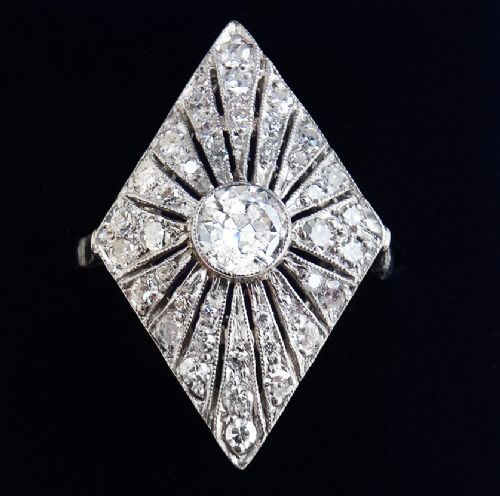
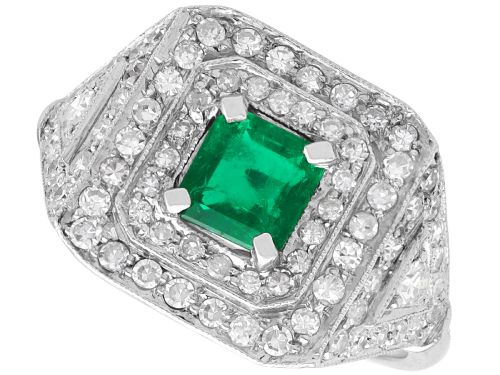
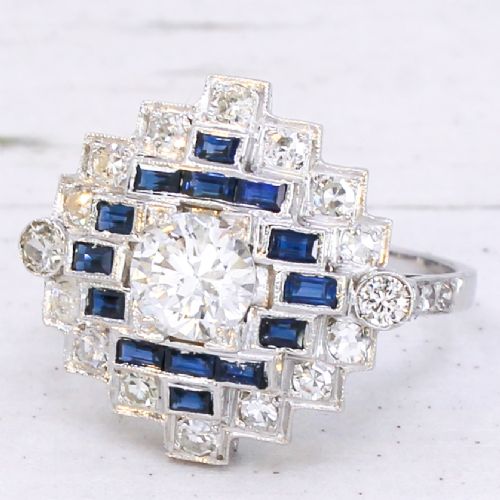
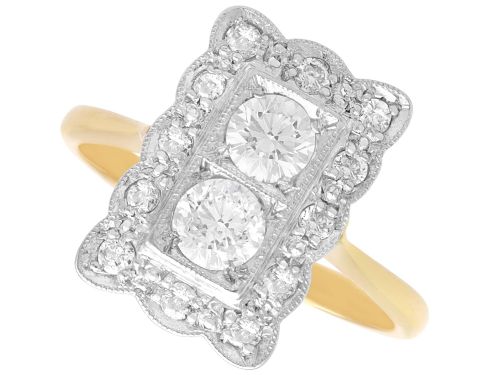
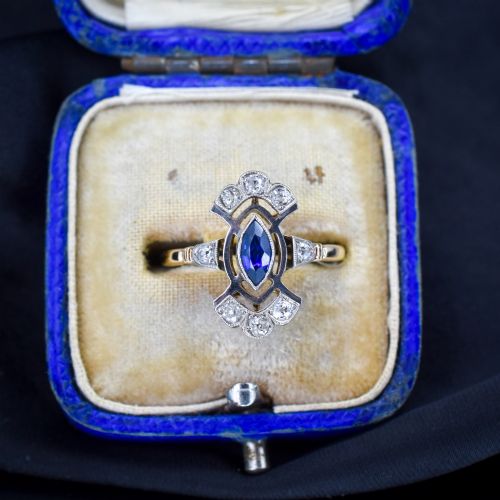
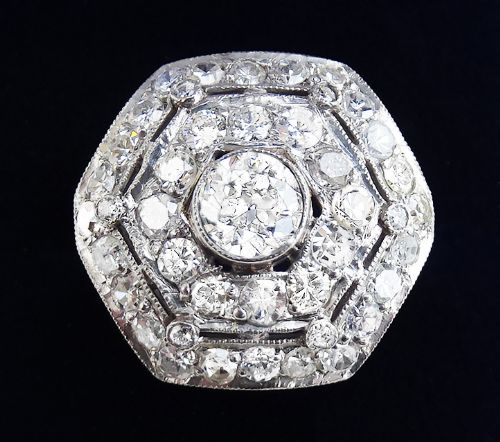
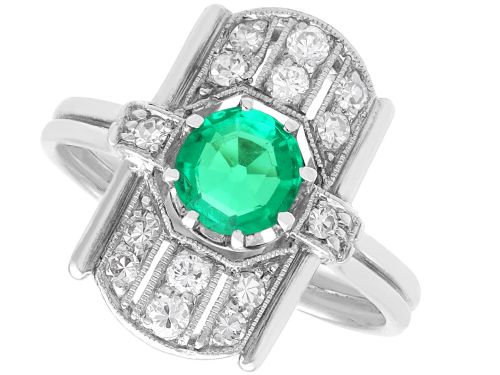
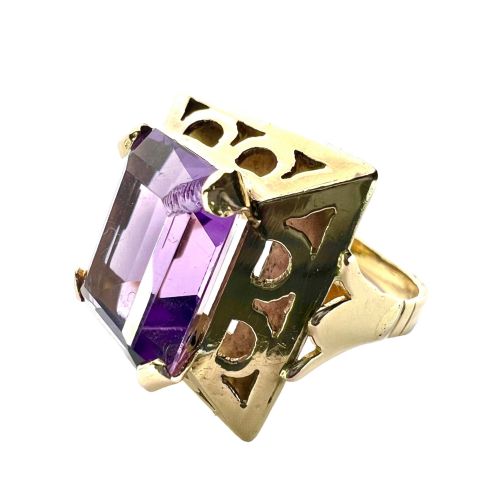
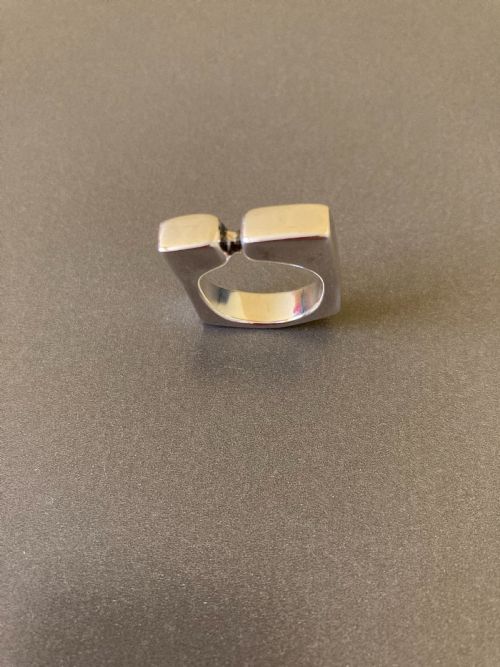
A geometric cocktail ring is a statement dress ring characterised by symmetrical lines, angular patterns and prominent central stones. When exploring this selection, buyers frequently encounter pieces originating from the 1920s and 1930s, alongside later mid-century reinterpretations.
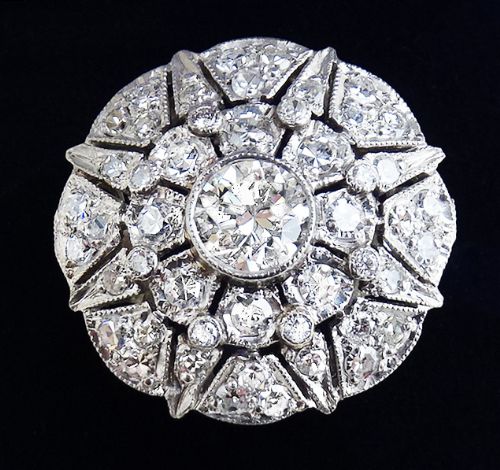
The dominant forms span cluster rings, plaque designs, and substantial bombé or tank shapes. These formats showcase structured layouts of diamonds, sapphires, rubies and emeralds set into platinum or gold.
Most examples hail from the art deco era, reflecting an appetite for geometric abstraction and clean architectural motifs. Later iterations from the 1940s, 1950s and 1960s continue this architectural lineage with broader bands and varied stone cuts.
How they were made
Master jewellers constructed these rings using durable platinum and high-carat yellow or white gold to support intricate stone configurations. Platinum became the material of choice during the 1920s and 1930s for its strength in holding delicate millegrain edges and fine pierced work.
Gemstones such as diamonds, rubies, sapphires and emeralds were cut into specific geometric shapes, including calibre cuts and old European cuts. These stones were then arranged in precise pavé, cluster or plaque settings that emphasised symmetry and linear contrast.
Geometric Cocktail Ring Retail Price Guide 2026
Typical asking prices for geometric cocktail ring among the pieces listed under this phrase on Sellingantiques today, from the lower quarter to the upper quarter. They describe what is for sale here now, not the wider market.
Listings feature platinum and 18ct gold settings housing diamonds, sapphires, rubies, and emeralds across several decades.
What varies in quality
The distinction between tiers rests upon the precision of the stone setting and the complexity of the metalwork. Finer examples feature tightly calibrated gemstones matched for colour and clarity, secured within hand-pierced platinum or gold frameworks.
Structural integrity and the preservation of original detailing, such as crisp millegrain beading and sharp geometric angles, separate exceptional work from standard production. The provenance of natural, untreated coloured gemstones further elevates a piece within its period.
Randers Silver
The Geometric Cocktail Ring Glossary
- Calibre cut
- Stones shaped specifically to fit tightly together in a geometric pattern with no visible gaps between them. This technique requires meticulous hand-cutting by lapidaries.
- Plaque ring
- A ring featuring a flat, often ornate geometric face that sits broadly across the finger. These panels are typically densely set with diamonds and accented with coloured stones.
- Bombé ring
- A rounded, dome-shaped ring style that swells outwards from the finger. The curved surface provides a voluminous canvas for pavé-set diamonds and central stones.
- Old cut
- A diamond cutting style prevalent before modern faceting standards, characterised by a smaller table, higher crown and open culet. These stones produce a soft, candlelight sparkle.
- Millegrain
- A decorative technique involving a row of tiny raised metal beads along the edge of a setting. It frames geometric shapes with a delicate texture.
Geometric Cocktail Ring: Frequently Asked Questions
What defines a geometric cocktail ring?
A geometric cocktail ring is defined by its bold, symmetrical design, angular motifs and prominent stone settings. These pieces often feature platinum or white gold arranged in structured patterns.
Originating largely from the art deco era, they utilise the contrast between diamonds and deep-coloured gems like sapphires, emeralds or rubies to create a striking visual impact on the hand.
How do I care for an antique ring?
Caring for an antique ring involves gentle cleaning with warm soapy water and a soft brush, avoiding harsh chemical dips or ultrasonic cleaners. Professional inspection of the prongs and settings every year ensures stones remain secure.
Remove the ring during manual tasks or heavy lifting to protect delicate platinum or gold metalwork and prevent impact damage to softer coloured stones.
How can I tell art deco from mid-century pieces?
Art deco pieces typically date from the 1920s and 1930s, displaying crisp geometric lines, platinum settings, calibre-cut stones and delicate millegrain details. They often focus on high-contrast symmetry.
Mid-century pieces from the 1940s to 1960s often feature heavier gold weights, organic or retro modern curves alongside geometric influences, and broader cocktail silhouettes.
Were these rings worn daily?
These rings were originally created for evening wear and social gatherings during the roaring twenties and subsequent decades. Their substantial size and precious stones made them statement accessories rather than utilitarian daytime jewellery.
Today, many collectors wear them as daily signature pieces, provided proper care is taken to protect the original mountings and stone settings from excessive wear.