





Gentlemans Weapon Stick
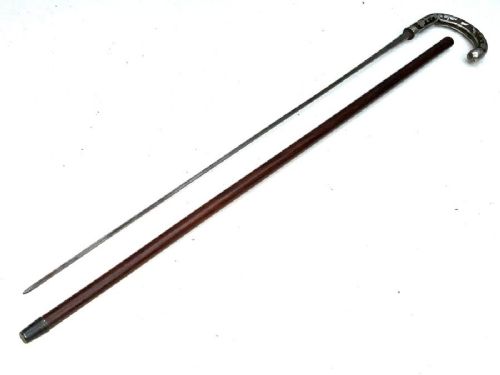
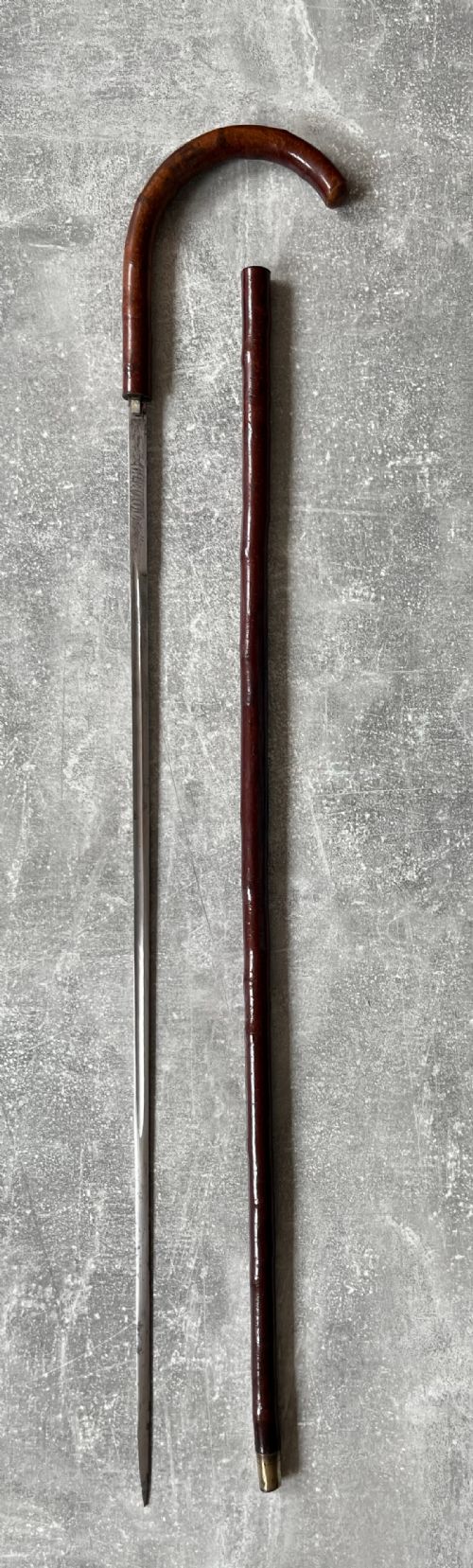
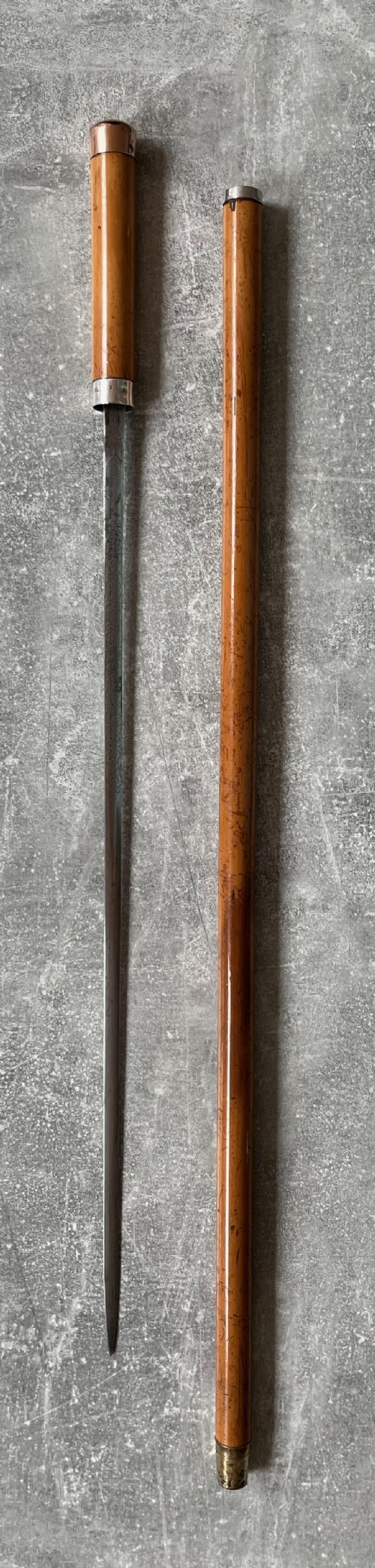
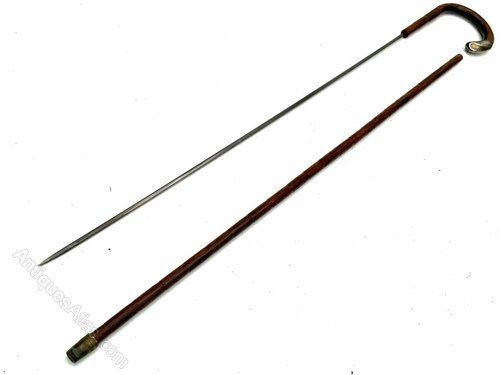
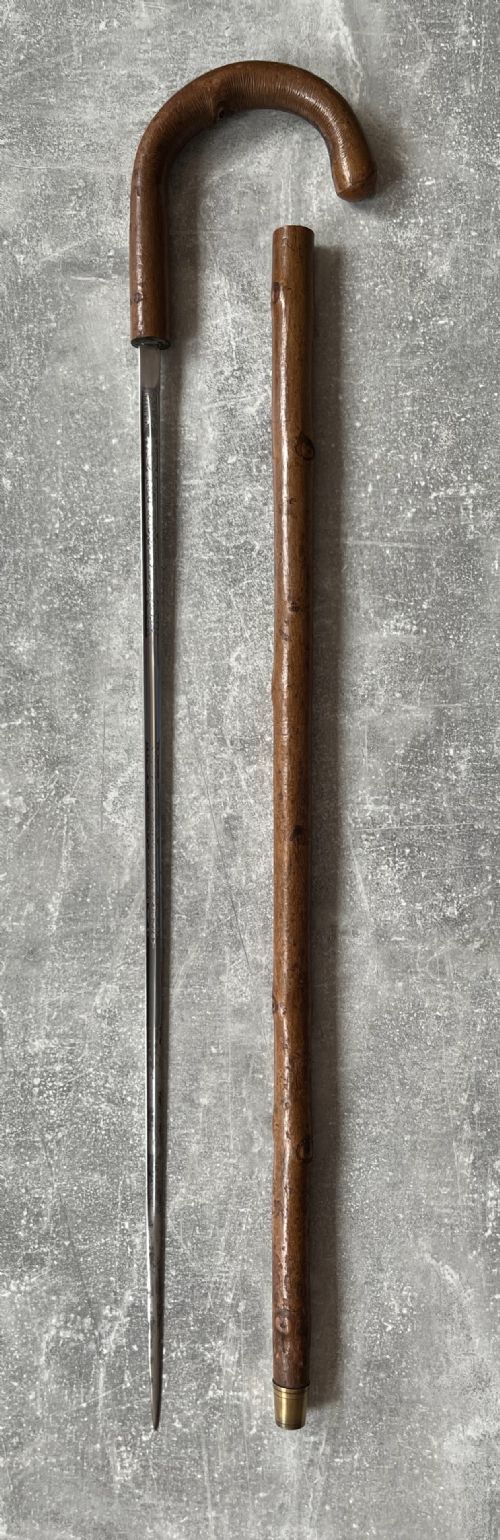
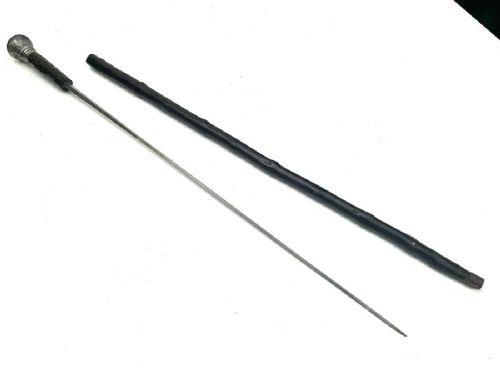
A gentlemans weapon stick is a discreet self-defence piece that combines the everyday form of a walking cane with a concealed steel blade.
Gentlemans Weapon Stick
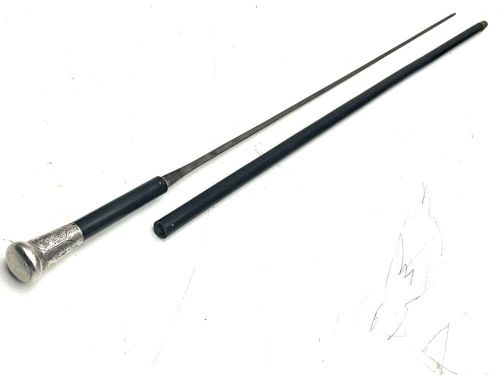
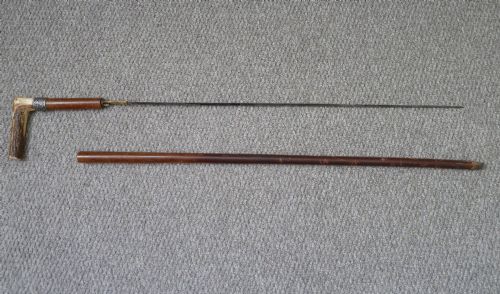
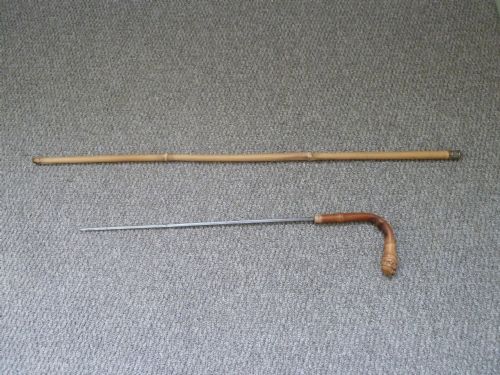
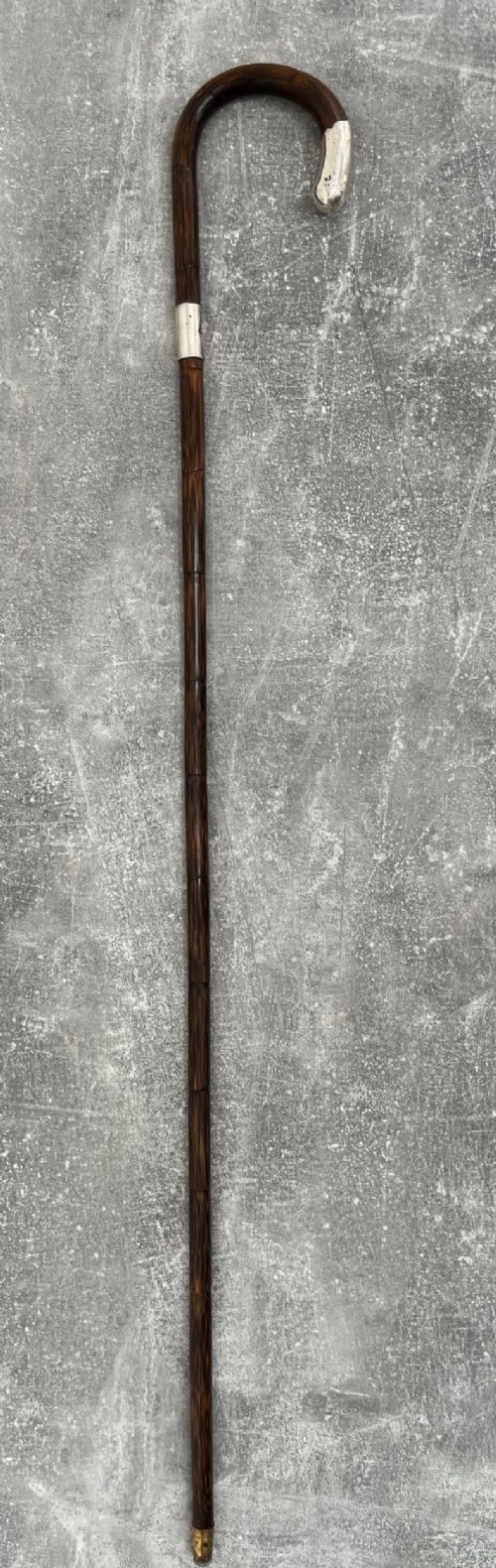
A gentlemans weapon stick typically takes the form of a traditional walking cane or walking stick housing a hidden steel blade within its shaft. These pieces emerged strongly during the Victorian and Edwardian eras, serving as practical accessories for personal protection in urban environments.
The versions most commonly met here span the late nineteenth century into the early twentieth century, featuring varied timber shafts and functional button-release mechanisms. Collectors encounter both straightforward utility pieces and heavily decorated examples bearing precious metal mounts.
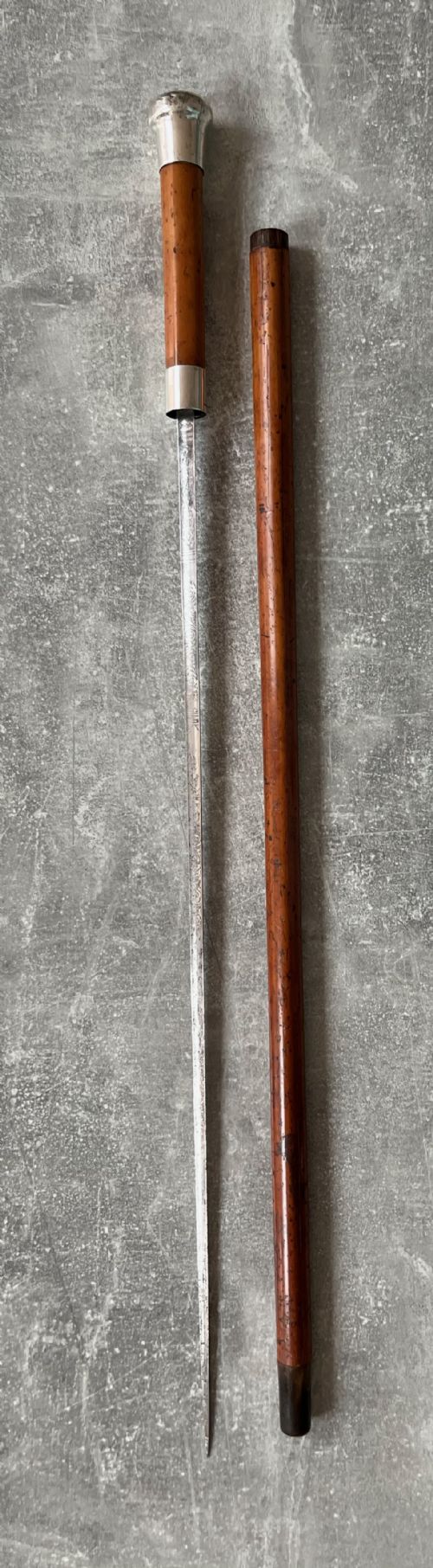
Materials range from malacca cane and partridge wood to chestnut, rosewood, and cherrywood, often finished with horn, antler, or porcelain handles. Makers fitted these shafts with blades originating from renowned workshops such as Wilkinson and Toledo.
Materials and construction
Craftsmen shaped natural woods like malacca, hazel, and holly to form the hollow exterior shafts, pairing them with robust steel blades designed for durability. Handles were fashioned from horn, antler, or root wood, and frequently secured with silver collars, gold mounts, or brass fittings.
Makers integrated precise button-release mechanisms and screw joints to ensure the concealed blade remained firmly locked inside the shaft until needed. Leather coverings and snakeskin wraps were also utilised to finish the exterior haft on specialised examples.
Gentlemans Weapon Stick Retail Price Guide 2026
Typical asking prices for gentlemans weapon stick among the pieces listed under this phrase on Sellingantiques today, from the lower quarter to the upper quarter. They describe what is for sale here now, not the wider market.
Markers of distinction
Quality rests heavily on the origin and finish of the internal blade, with signed specimens from makers like Wilkinson or Toledo commanding greater regard. The choice of handle material, from plain wood to carved horn or porcelain, likewise dictates the refinement of the piece.
Brigg·Wilkinson
The Gentlemans Weapon Stick Glossary
- Malacca cane
- A strong, flexible rattan stem featuring characteristic dark patches, frequently used for the shafts of high-grade walking canes. It provides both lightweight resilience and a distinct visual texture.
- Wilkinson blade
- A steel blade produced by the renowned sword-making firm, prized for its superior temper and craftsmanship. Such blades indicate a higher grade of manufacture in period weapon sticks.
- Toledo blade
- A steel blade forged in the Spanish city historically celebrated for its metalworking traditions. These blades often feature intricate etched decoration along the fuller.
- Knop
- A rounded knob or ornamental head forming the handle of a cane. In weapon sticks, it often conceals the release mechanism for the internal blade.
- Button release
- A mechanical catch set into the collar or upper shaft that secures the blade inside the cane. Pressing it disengages the lock to allow smooth withdrawal.
Gentlemans Weapon Stick: Frequently Asked Questions
What is a gentlemans weapon stick?
A gentlemans weapon stick is a dual-purpose accessory that appears to be a standard walking cane but conceals a steel blade inside the wooden shaft.
These pieces were carried by gentlemen in the nineteenth and early twentieth centuries for personal security during urban transit.
How do you release the hidden blade?
Most pieces utilise a concealed button-release mechanism or a threaded screw collar located just beneath the handle.
Pressing the button or twisting the handle disengages the internal catch, allowing the blade to slide smoothly out of the wooden housing.
What materials are used for the handles?
Handles are fashioned from a variety of natural materials including animal horn, stag antler, root wood, and Sevres porcelain.
Many examples also incorporate silver collars, brass mounts, or engraved gold bands connecting the handle to the main shaft.
How can you tell the period of a stick?
The date of a piece is usually determined by the style of the handle, the characteristics of the timber, and any hallmarked silver mounts.
Victorian and Edwardian pieces often display specific blade etchings and manufacturing traits associated with late nineteenth and early twentieth-century workshops.