


Gentlemans Sword Stick
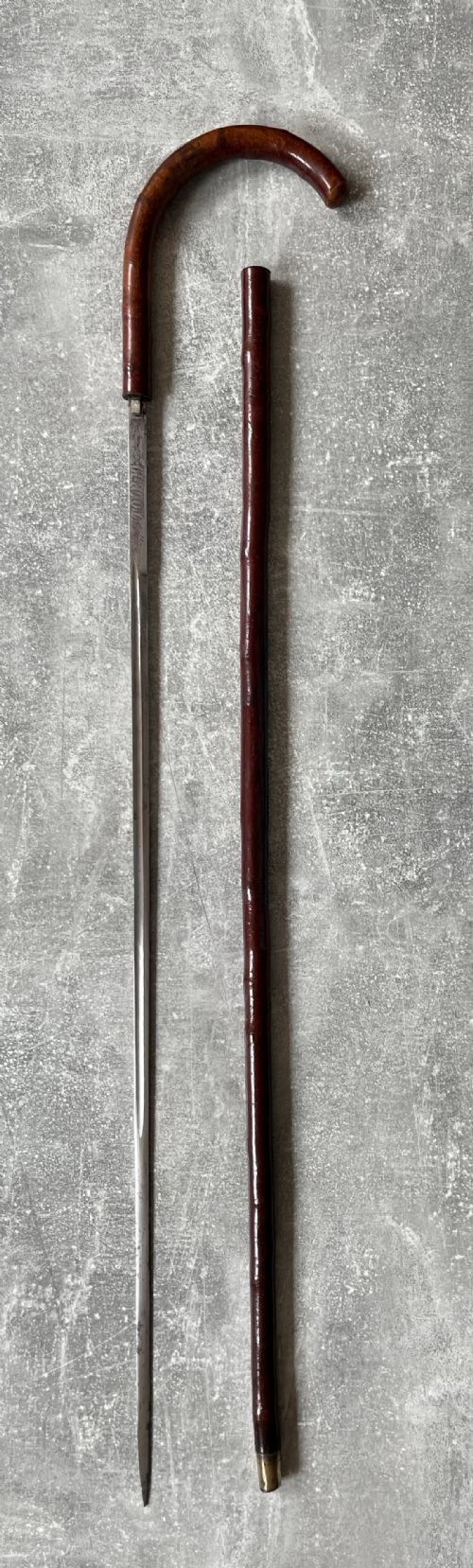
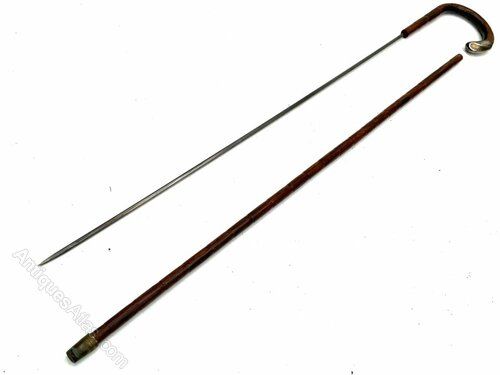
A gentlemans sword stick is a concealed blade housed within a walking cane, combining utility and personal protection during the nineteenth and early twentieth centuries.
Gentlemans Sword Stick
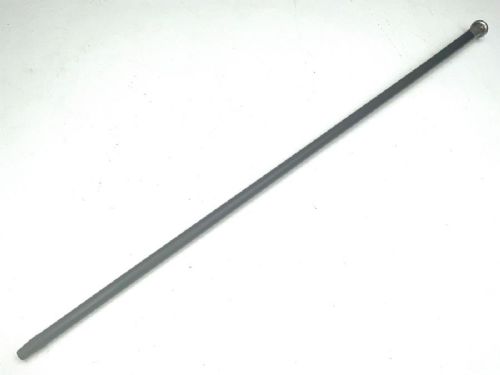
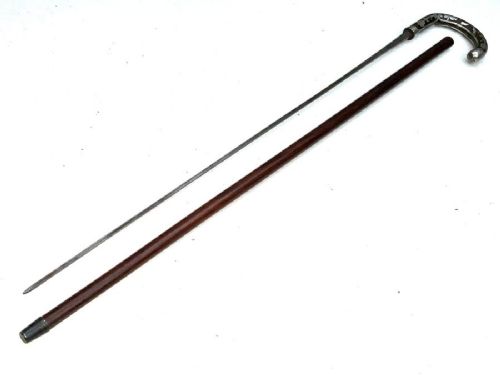
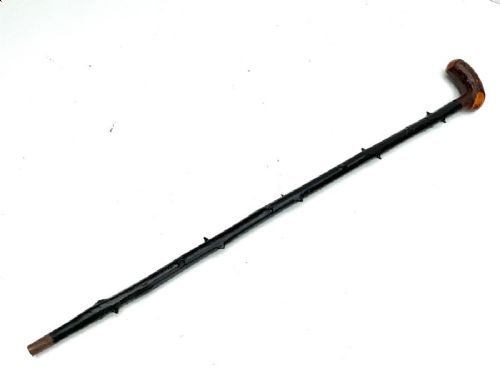
When searching for a gentlemans sword stick, a buyer encounters practical walking aids fitted with concealed steel blades. These items span late Victorian, Edwardian, and early twentieth-century periods.
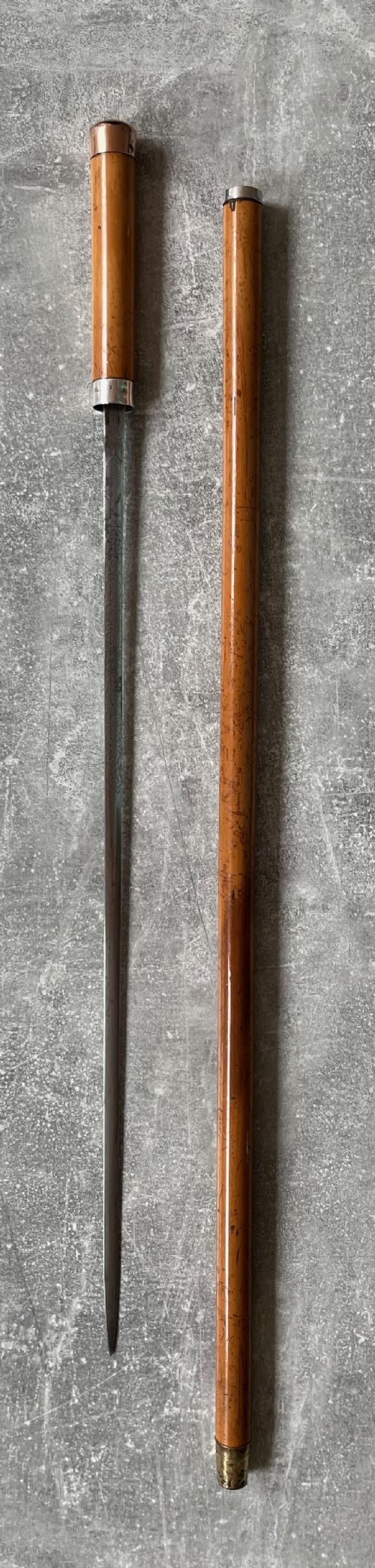
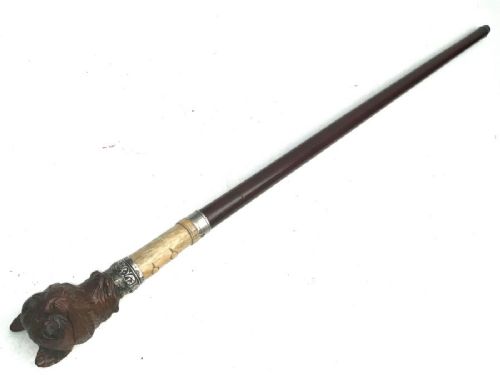
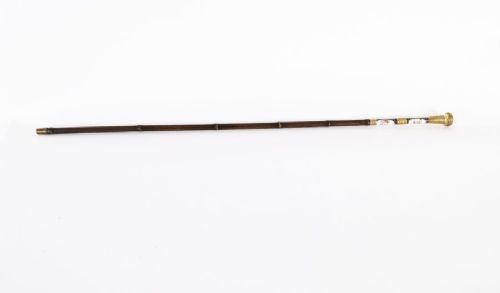
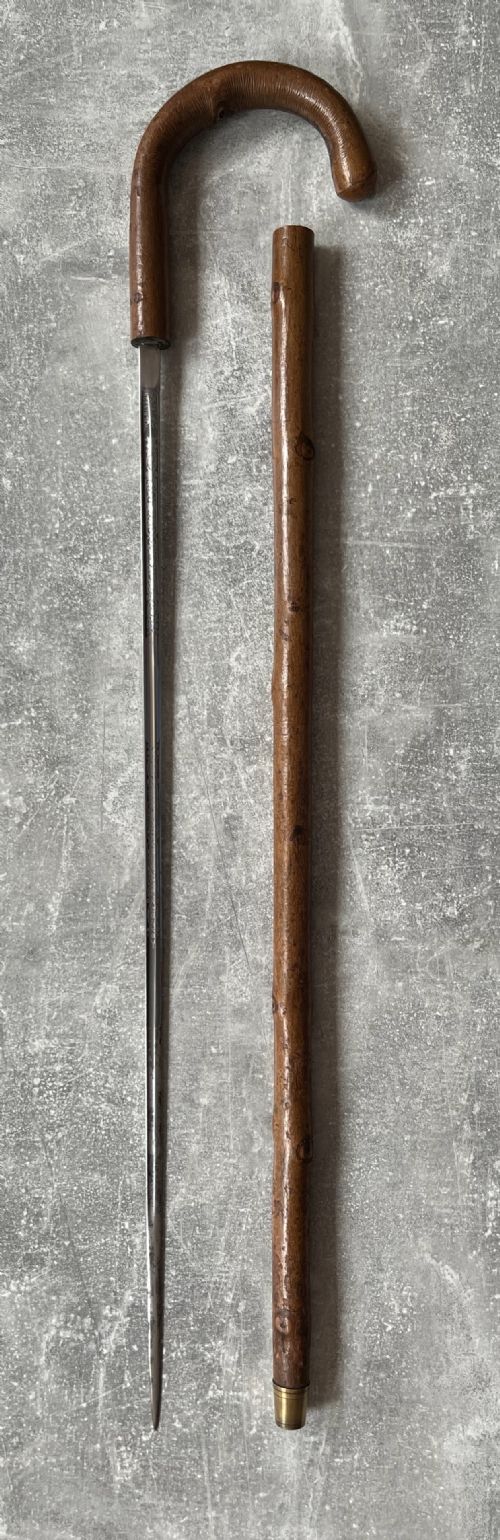
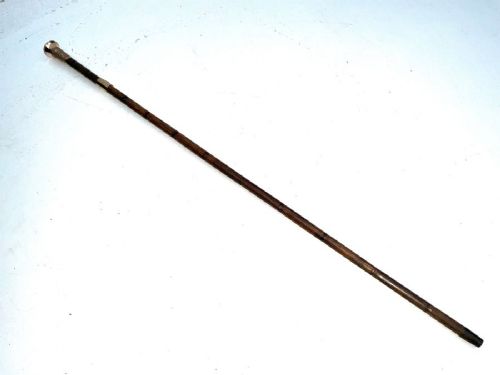
The versions most commonly met on this page include woods such as malacca cane, partridge wood, cherrywood, hazel, and rosewood. Handles vary from simple crook shapes to silver-topped, horned, bone, and novelty designs.
How they were made
Maker construction combined cabinetry and metalwork, pairing natural woods or leather coverings with steel blades. Canes utilised materials like malacca, chestnut, and blackthorn.
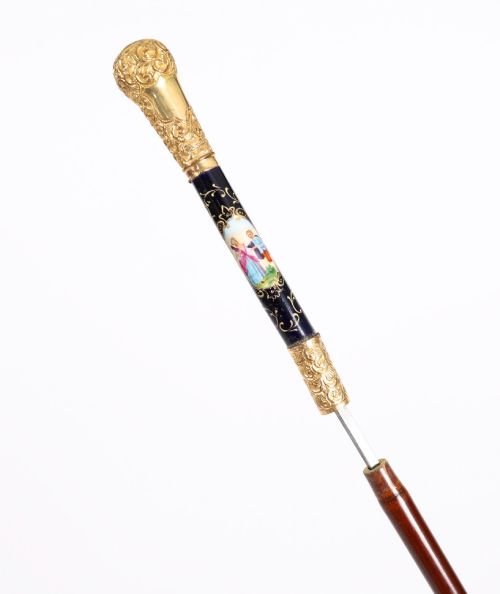
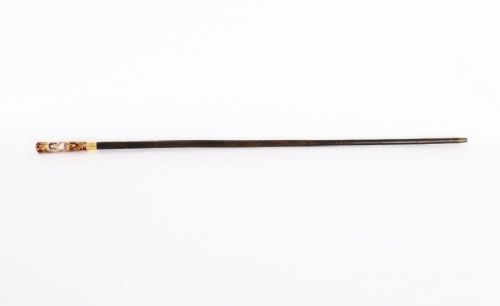
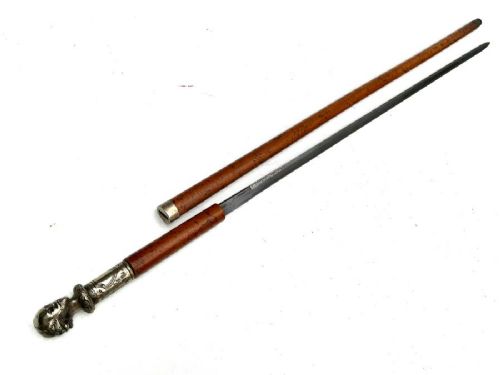
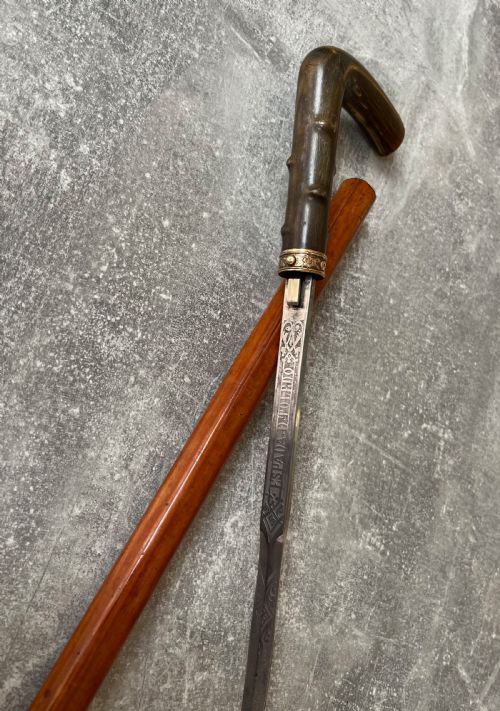
Mounts and collars frequently incorporated silver, gold plate, brass, and bone. Blades included specialised examples signed by makers such as Wilkinson or forged in Toledo.
Keep an eye out for the occasional canine or equine head peering up from a silver mount.
What varies in quality
Quality rests upon the execution of the concealed locking mechanism, such as button releases, and the integrity of the join between handle and shaft. Superior pieces maintain a seamless exterior profile when closed.
Blade manufacturing standard dictates value, with etched Toledo steel or signed Wilkinson blades representing higher grade output compared to plain commercial alternatives. Mount materials like solid silver and detailed porcelain handles further elevate the standard.
Brigg·Wilkinson
The Gentlemans Sword Stick Glossary
- Malacca cane
- A strong, flexible stem imported from Southeast Asia featuring characteristic scale markings. It provided a lightweight and resilient shaft for walking aids.
- Toledo blade
- A steel blade forged in the Spanish city renowned for its historical sword-making traditions. These blades often exhibit decorative etching.
- Wilkinson blade
- A steel blade produced by the renowned British sword-making firm. Such blades carry specific maker signatures denoting high military-grade manufacture.
- Silver mount
- A decorative or structural collar, cap, or ferrule fashioned from silver. It reinforced the handle junction on better quality walking sticks.
- Root end handle
- A natural handle formed from the root ball of a tree branch. These organic grips provide a distinct tactile shape for the user.
Gentlemans Sword Stick: Frequently Asked Questions
How do you open a sword stick?
Most examples utilise a concealed release mechanism, such as a push button or a twist-lock collar, which disengages the internal catch securing the blade.
Once released, the handle and blade pull straight out from the wooden scabbard shaft with a smooth linear motion.
What periods do these pieces date from?
The available selection primarily spans the late nineteenth century through to the Edwardian era and the 1920s.
Victorian and Edwardian examples represent the peak period of popularity for gentlemanly self-defence accessories.
Are the blades marked?
Certain blades bear maker stamps or etched decoration, notably from Toledo or the British firm Wilkinson.
Many other pieces feature plain utility steel blades without specific workshop signatures or stamps.
What materials are the handles made from?
Handles appear in a wide variety of materials including solid silver, silver plate, carved bone, horn, and porcelain.
Other styles utilise natural root wood balls, crook shapes, or figural animal heads.