
Gemstone Halo Engagement Ring
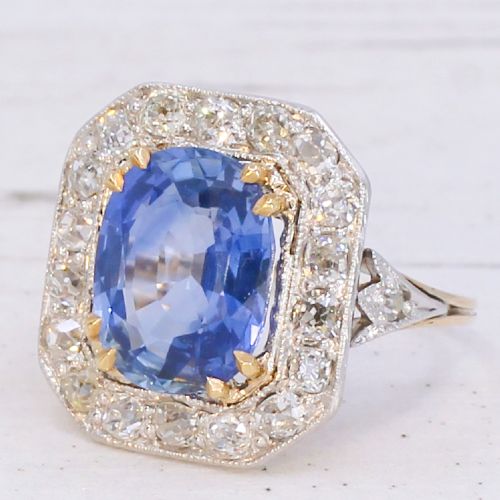
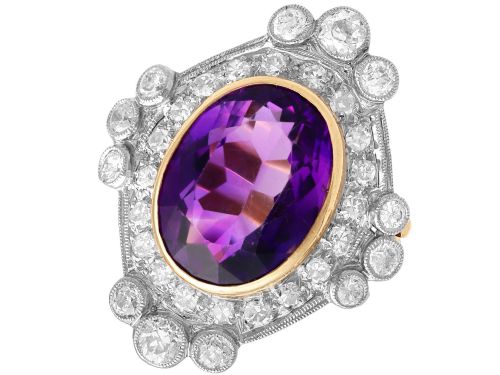
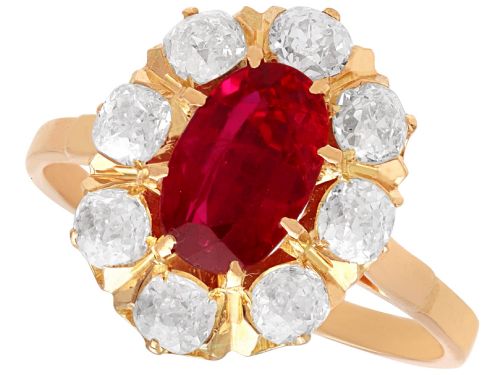
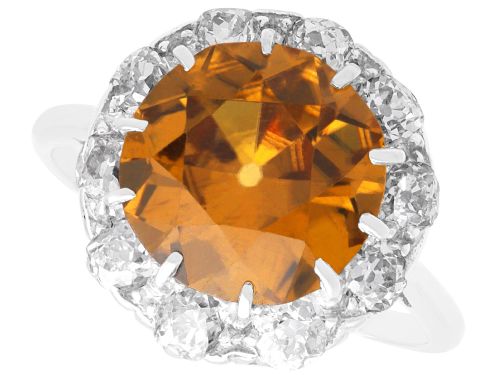
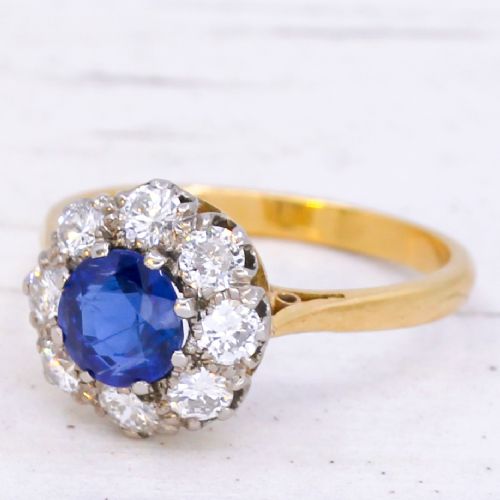
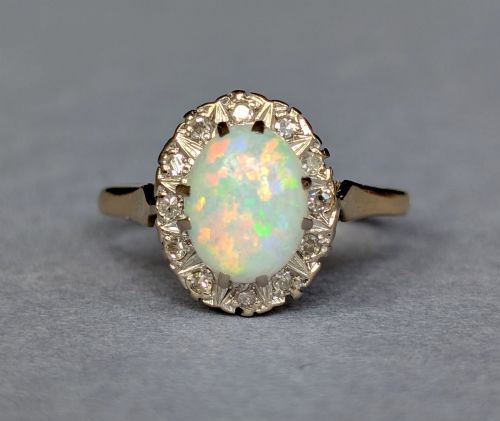
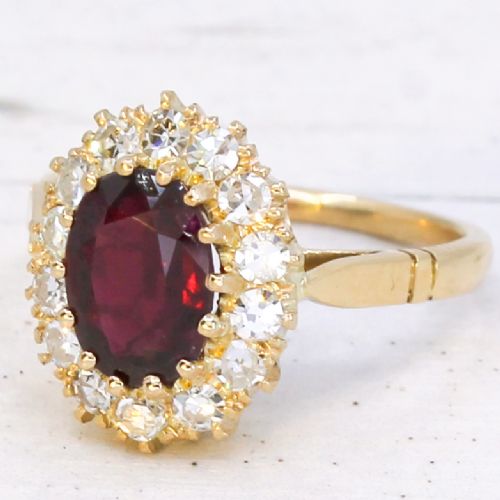
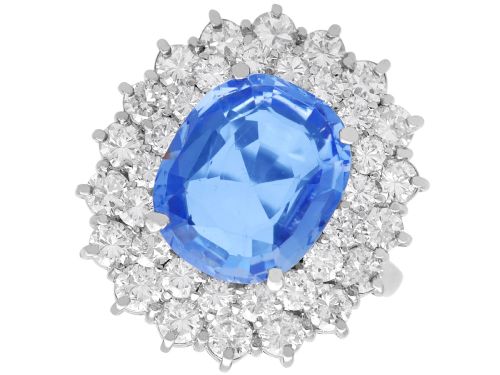
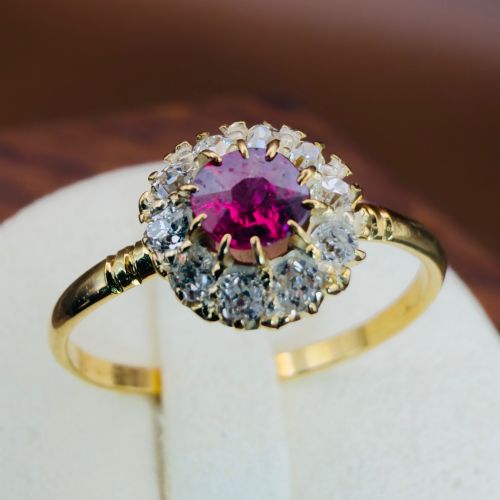
A gemstone halo engagement ring combines a central coloured stone with a surrounding border of diamonds, offering an arrangement that draws the eye directly to the centre.
Gemstone Halo Engagement Ring
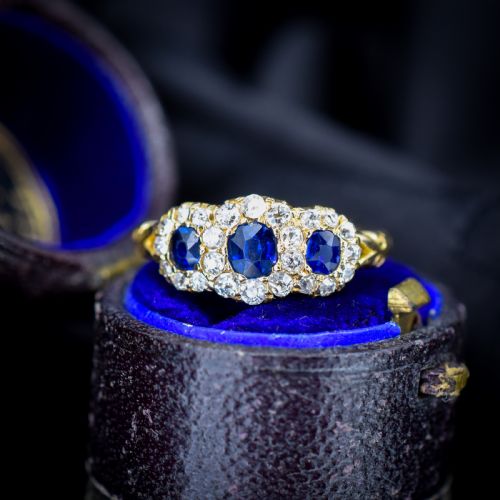
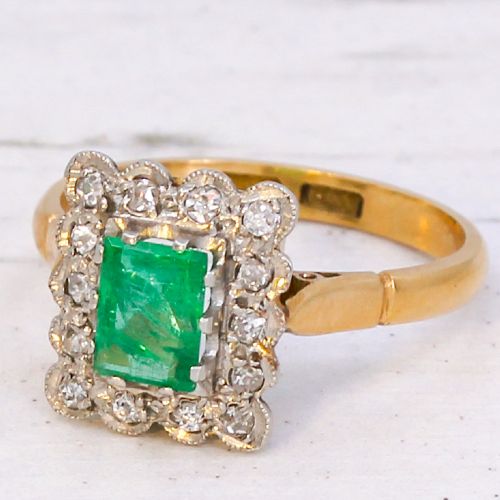
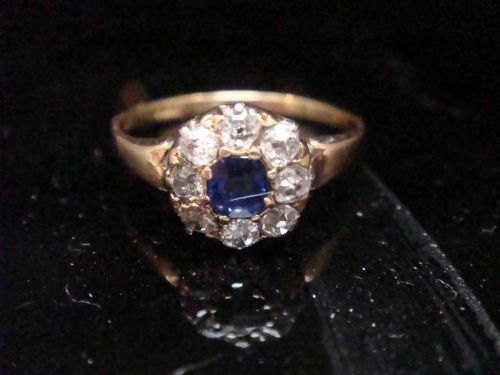
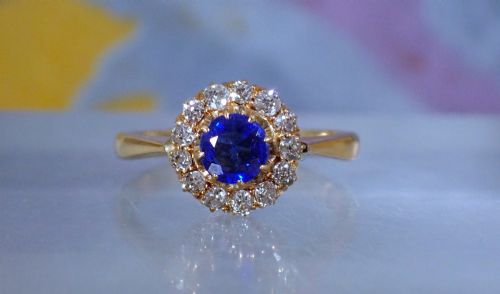
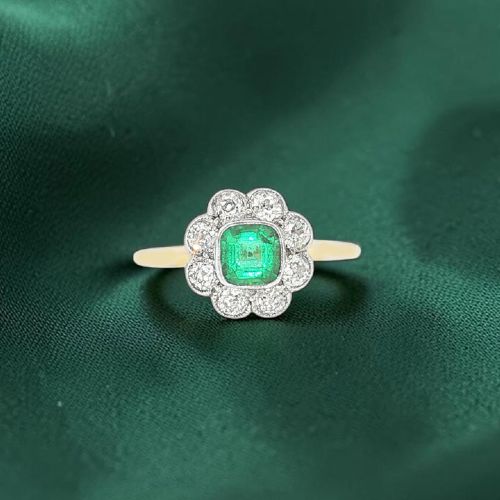
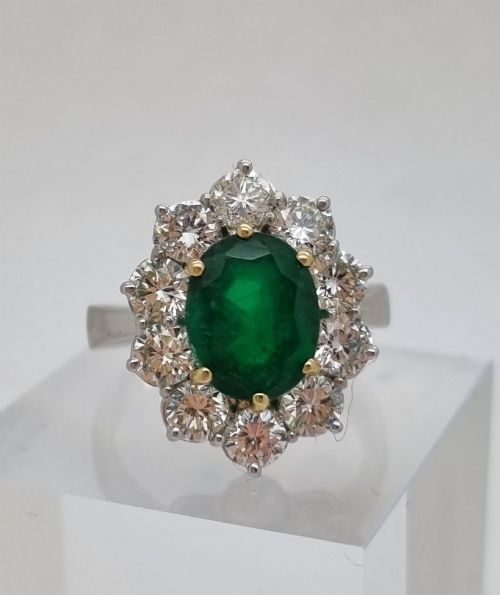
A gemstone halo engagement ring centres on a brightly coloured stone such as a ruby, sapphire, emerald, aquamarine, or tourmaline. This central gem is encircled by smaller accent diamonds, creating a distinct border that enhances the visual impact of the primary stone.
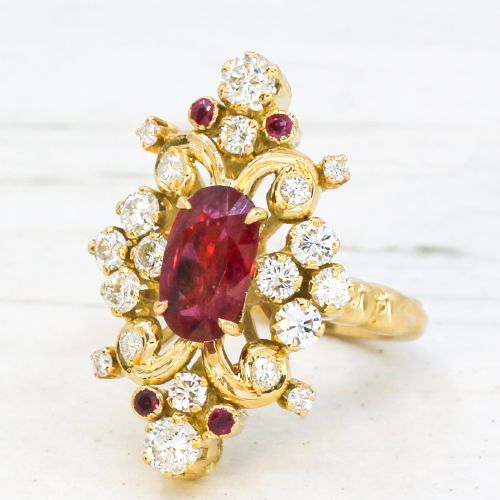
The selections available here span multiple eras, including Victorian, Edwardian, Art Deco, and Mid-Century periods. Forms range from traditional circular daisy and floral clusters to elongated oval, marquis, and double cluster configurations.
Most examples utilise either yellow gold, white gold, or platinum for the mounting, often pairing 18ct gold bands with silver settings in earlier pieces. These cluster rings provide a distinct silhouette that has remained popular across successive decades of jewellery design.
How they were made
Goldsmiths constructed the settings using precious metals including platinum, 18ct yellow gold, 18ct white gold, and occasional 9ct or 14ct gold components. Platinum gained favour in Art Deco designs for its strength and bright white finish, while earlier Victorian pieces frequently paired gold shanks with silver top mounts to hold the stones securely.
Gemstones were cut by hand in older periods, resulting in old cut diamonds with distinctive proportions and larger facets that catch candle or low light differently than modern brilliant cuts. Central stones such as sapphires, rubies, and emeralds were then surrounded by close-set diamond borders, secured with delicate claws or grain settings.
Several rings arrange their stones to mimic blooming flowers, ensuring your hand stays perpetually garden-ready without requiring watering.
What varies in quality
The quality of a gemstone halo engagement ring rests heavily on the origin, clarity, and treatment status of the central stone, alongside the overall balance of the design. Unheated sapphires and rubies from specific regions command attention, as do emeralds with minimal oil treatment.
Craftsmanship in the setting work also separates standard pieces from finer examples. Even spacing of the surrounding diamonds, secure claw or bezel work, and the harmonious proportion between the central gem and the outer halo determine the refinement of the piece.
The Gemstone Halo Engagement Ring Glossary
- Halo
- A ring of smaller accent stones, typically diamonds, surrounding a larger central gemstone. This design element amplifies the perceived size and brilliance of the primary stone.
- Cluster ring
- A jewellery configuration featuring a central stone flanked by or enclosed within multiple smaller stones. This term is frequently used interchangeably with halo designs in older cataloguing.
- Old cut diamond
- A diamond cut by hand before the advent of modern machinery, characterised by a smaller table, higher crown, and open culet. These stones display a softer, more romantic gleam under varying light sources.
- Unheated sapphire
- A sapphire that has undergone no thermal enhancement to improve its colour or clarity. Natural stones retaining their original properties are prized by collectors.
- Marquis cut
- A boat-shaped gemstone cut featuring pointed ends and curved sides. This elongated form creates a distinct profile when utilised in cluster rings.
Gemstone Halo Engagement Ring: Frequently Asked Questions
How do I care for an antique gemstone ring?
Antique gemstone rings require gentle handling due to their age and the specific characteristics of stones like emeralds or opals. Cleaning should be done with soft cloths and warm soapy water rather than harsh ultrasonic machines.
Regular inspection by a jeweller ensures that the claw settings holding the halo diamonds and the central stone remain secure over years of wear.
Are old cut diamonds different from modern diamonds?
Old cut diamonds possess hand-faceted proportions that differ noticeably from modern brilliant cut stones. They often feature larger facets and a deeper pavilion designed to catch ambient light effectively.
These older stones contribute a distinct, antique character to the surrounding halo of any cluster ring.
Can these rings be resized easily?
Resizing depends largely on the metal of the band and the construction of the shoulders near the halo cluster. Platinum, yellow gold, and white gold bands can typically be altered by a skilled bench jeweller.
Care must be taken during the process to protect any delicate scrollwork or secondary small stones set close to the main cluster.