

Garden Seating Furniture
Garden seating furniture brings enduring character to lawns and patios through durable metalwork and weathered timber.
Garden Seating Furniture
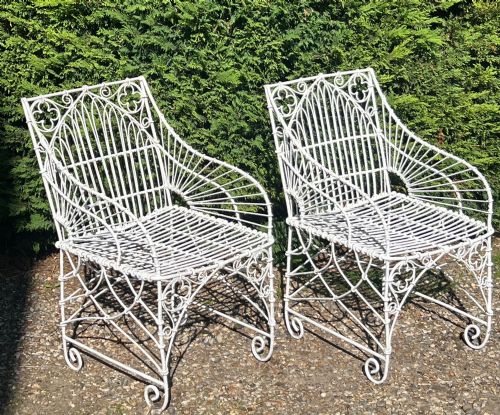
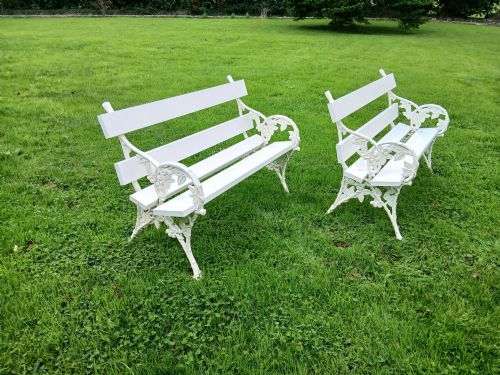
Garden seating furniture spans practical chairs and benches designed for outdoor use across multiple centuries. Buyers encounter heavy metal framework alongside weathered timber structures suited for lawns and terraces.
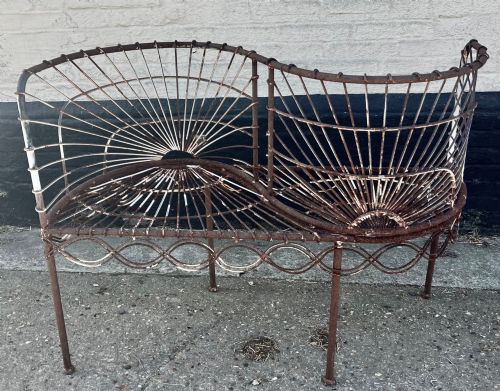
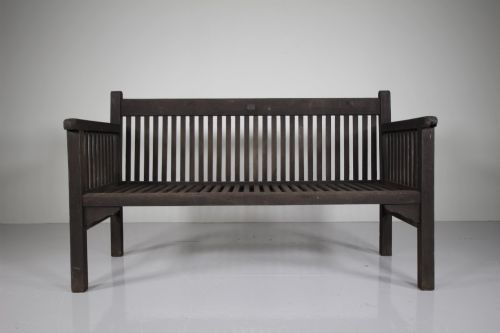
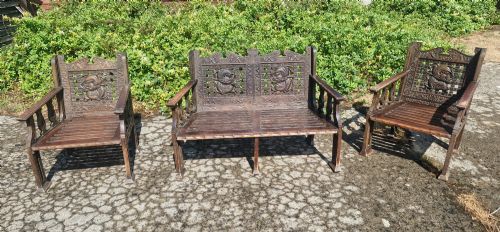
Victorian cast iron designs sit alongside Regency strapwork pieces and twentieth century teak benches. Pieces range from simple functional seats to elaborate conversation suites and framed canopy structures.
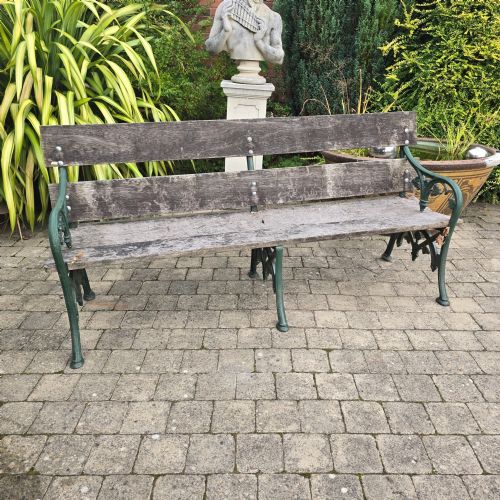
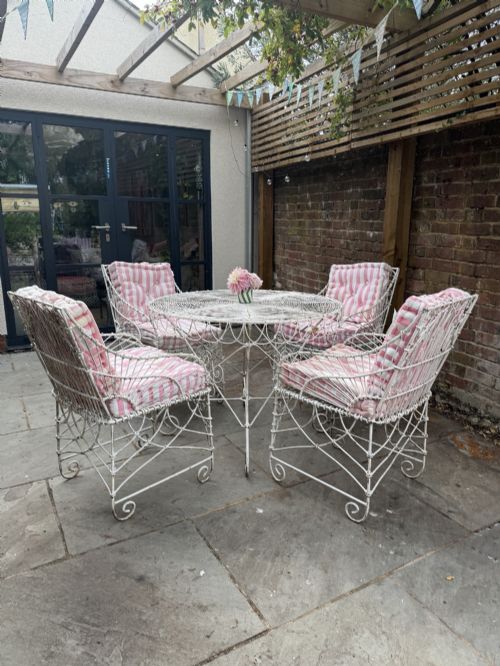
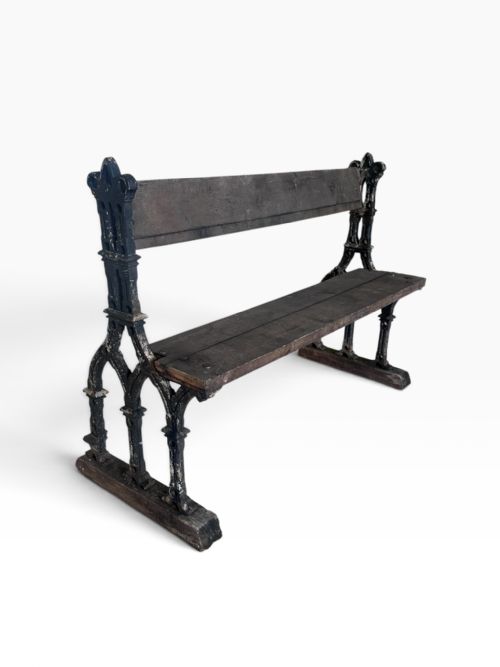
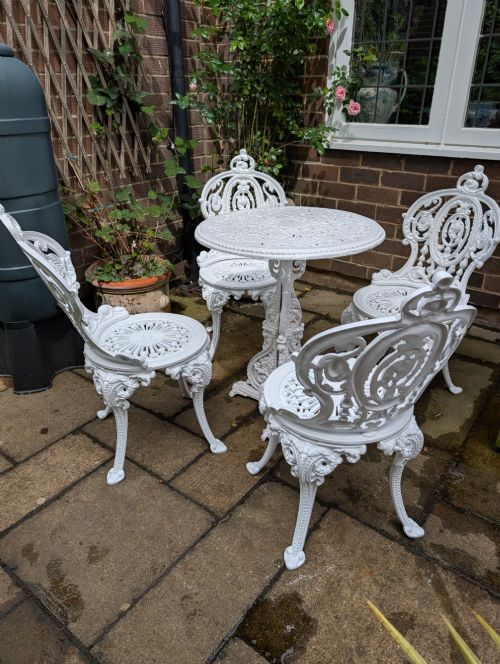
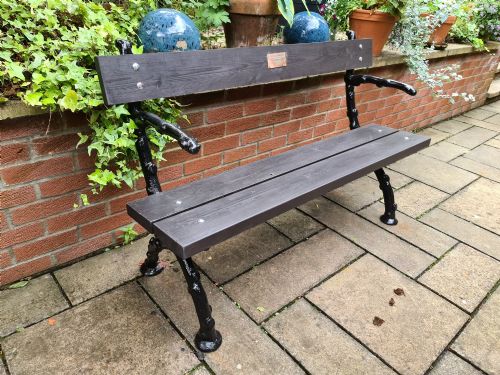
Origin examples include English country iterations, French metal designs, and Gothic Revival forms. Sets frequently pair tables with matching chairs or combine iron frames with wooden slats.
Construction and Materials
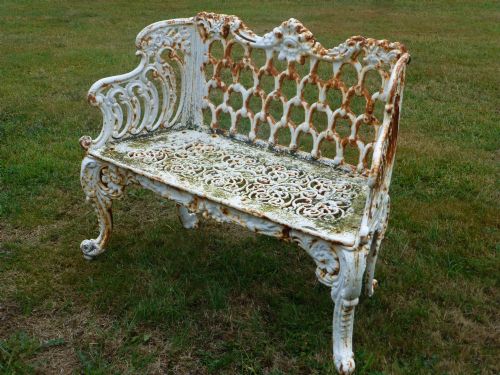
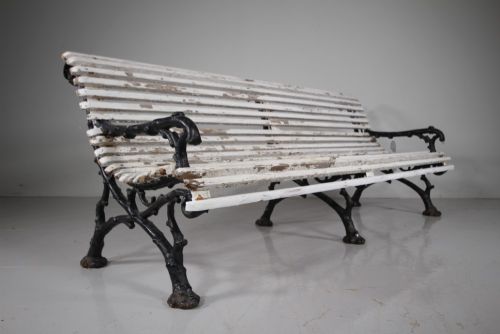
Metalwork relies primarily on cast iron and wrought iron shaped into intricate botanical motifs, strapwork patterns, and structural frames. Foundries produced detailed components like lion masks and blackberry leaf patterns using traditional moulding techniques.
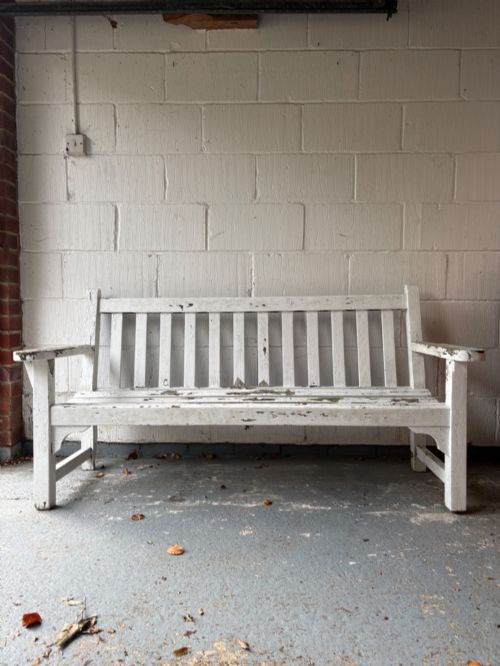
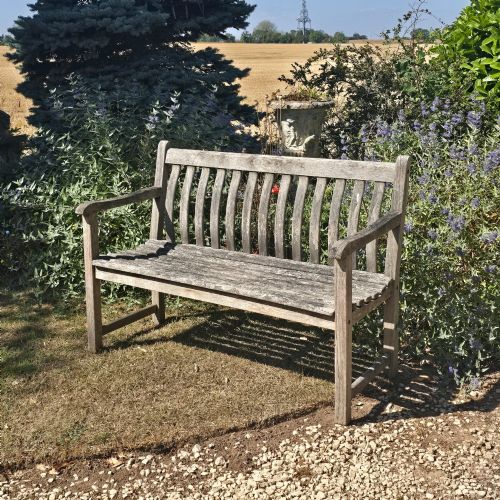
Timber construction utilises durable hardwoods, notably teak and various regional timbers, chosen for outdoor resilience. Pieces often feature protective paint layers or age into silvered patinas through exposure to the elements.
Garden Seating Furniture Retail Price Guide 2026
Typical asking prices for garden seating furniture among the pieces listed under this phrase on Sellingantiques today, from the lower quarter to the upper quarter. They describe what is for sale here now, not the wider market.
Listings feature cast iron, wrought iron, teak, timber, and marble materials across Victorian, Regency, Edwardian, and twentieth-century periods.
Judging Quality
Quality rests in the crispness of the iron casting and the integrity of the original joins. Finer foundry work displays deep relief in decorative motifs rather than softened edges from worn moulds.
Timber quality appears in the density of the grain and the stability of the slatted construction. Retained maker labels and untouched historical surfaces elevate historical authenticity.
Falkirk Carron Foundry·Carron Foundry·Coalbrookdale·Christopher Dresser·Heals
The Garden Seating Furniture Glossary
- Cast iron
- Molten metal poured into a mould to create rigid, highly detailed decorative frames for benches and chairs. This method allowed Victorian foundries to produce elaborate patterns such as leaves and branches.
- Wrought iron
- Iron heated and hammered into shape by hand, producing flexible and strong structural components. It frequently appears in the precise geometric curves of Regency strapwork furniture.
- Faux bois
- Imitation wood grain rendered in cast iron or concrete to mimic natural branches and bark. This rustic style enjoyed popularity during the Victorian period.
- Strapwork
- Flat bands of metal arranged in interlaced patterns across the backrests and seats of metal garden furniture. The style gained prominence during the Regency era.
- Teak
- A dense, oil-rich hardwood prized for outdoor furniture due to its natural resistance to decay. Over time, exposed teak develops a characteristic silvered appearance.
Garden Seating Furniture: Frequently Asked Questions
How do I maintain weathered teak furniture?
Weathered teak requires minimal intervention because the natural oils protect the wood from rotting. Periodic cleaning with mild soap removes surface dirt while preserving the silvered patina.
Applying protective oils is optional and primarily serves to darken the timber back to a golden brown tone. Most owners prefer to let the material age naturally outdoors.
Can cast iron garden seats stay outside all winter?
Cast iron handles low temperatures well due to its heavy mass and sturdy construction. However, extreme moisture combined with freezing can affect surface paint and joints.
Storing pieces under cover during harsh months prevents unnecessary weathering. Ensuring the feet do not sit in standing water protects the lower frame from moisture damage.
How do I identify Victorian cast iron pieces?
Victorian cast iron pieces typically display dense botanical ornamentation like ferns, branches, and rustic faux bois textures. Foundry marks and registration numbers often appear cast into the underside of the frame.
These benches and chairs are notably heavy and rigid compared to later tubular metal variations. The casting depth in decorative elements provides a clear indicator of nineteenth-century production standards.