



Garden Patio Seating
These garden patio seating pieces bring enduring metal and stone craftsmanship to outdoor spaces.
Garden Patio Seating
Garden patio seating encompasses a diverse array of outdoor furnishings designed for relaxation and dining, ranging from individual chairs to complete garden dining sets. When exploring garden patio seating, one encounters robust forms shaped from cast iron, wrought iron, and timber, reflecting decades of outdoor use.
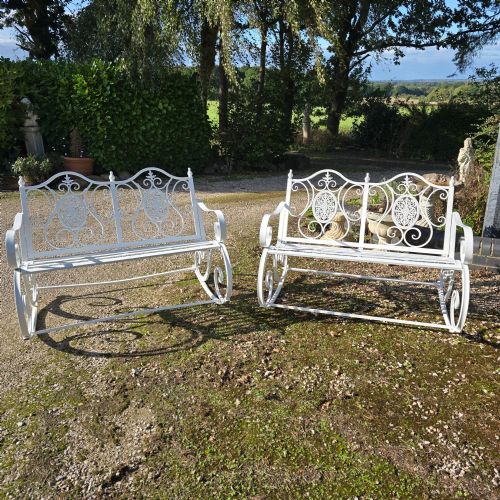
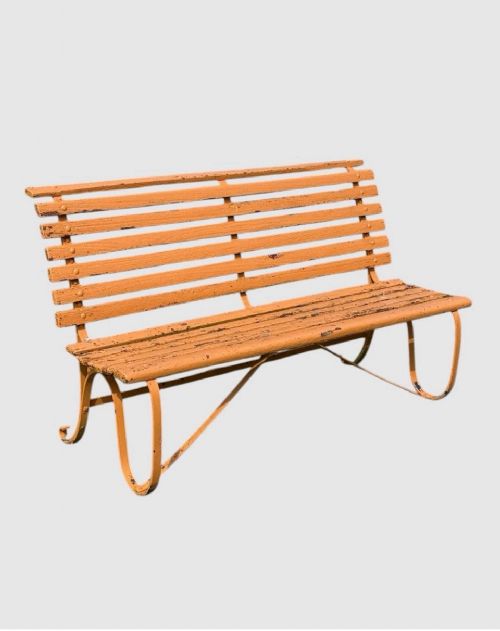
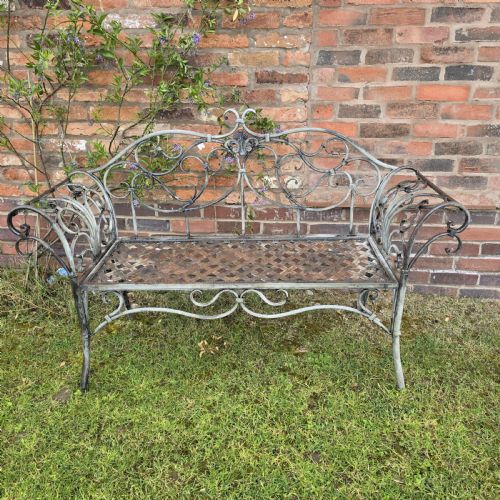
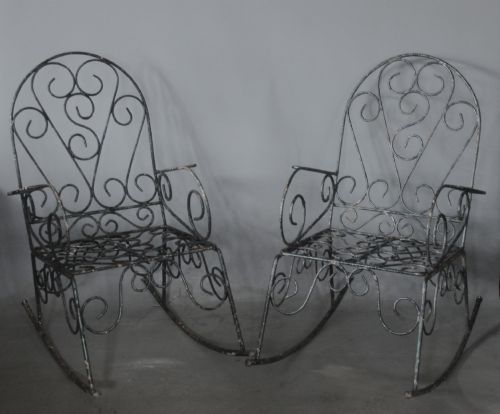
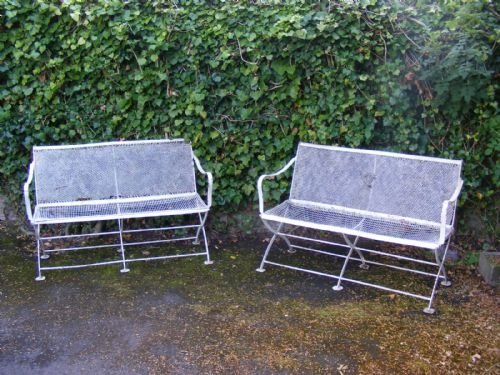
The pieces available span various historical periods, including Victorian examples and early twentieth-century designs. Buyers regularly find bistro sets, rocking chairs, and benches that served terraces and parks alike.
Materials and construction methods
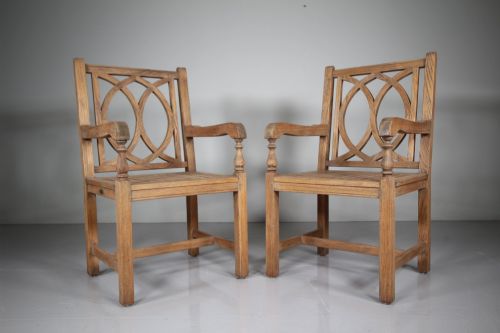
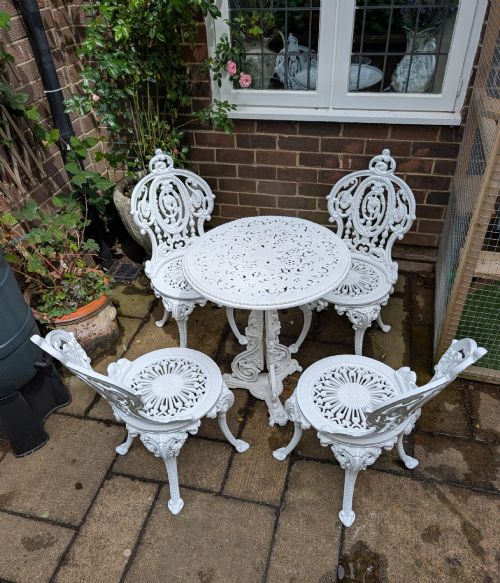
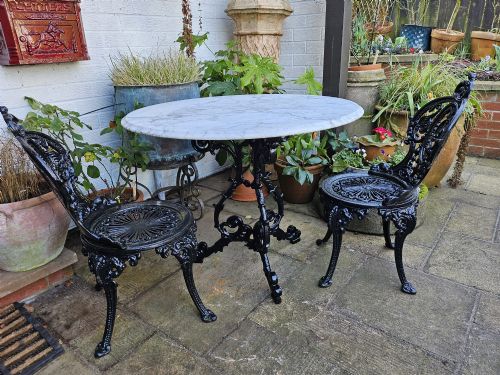
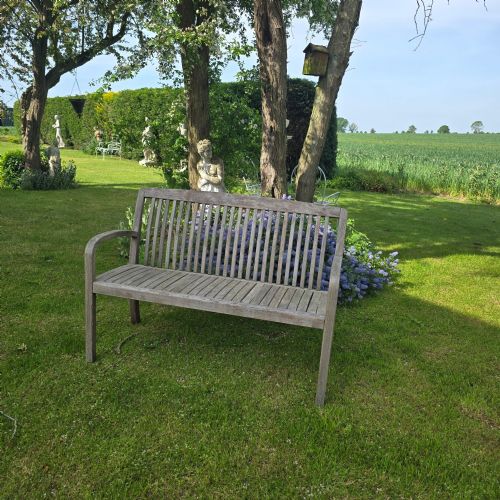
Foundries produced many of these items using durable cast iron and wrought iron, often incorporating intricate patterns such as gothic arches or lion mask motifs. Artisans also utilised timber like teak, alongside weather-resistant stone for substantial benches.
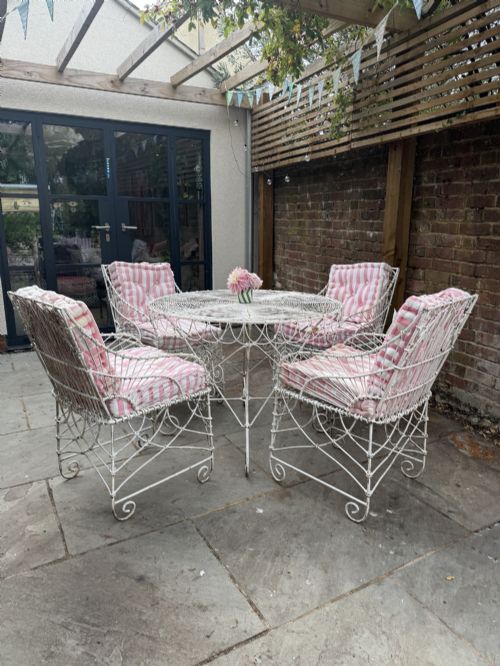
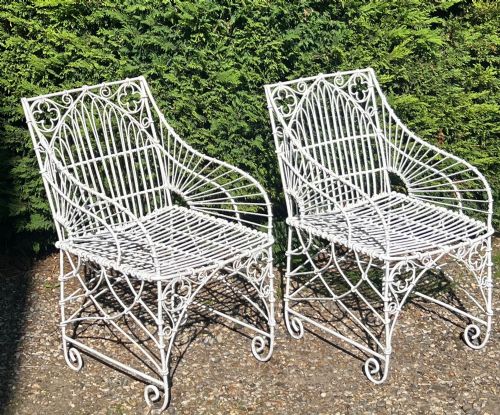
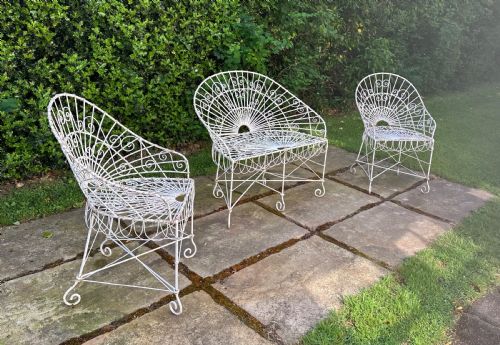
Wirework techniques appeared in tables and chairs, creating lightweight yet resilient structures suited to nineteenth-century lawns and patios.
Garden Patio Seating Retail Price Guide 2026
Typical asking prices for garden patio seating among the pieces listed under this phrase on Sellingantiques today, from the lower quarter to the upper quarter. They describe what is for sale here now, not the wider market.
Markers of distinction in outdoor pieces
Distinction in these pieces rests upon the crispness of the iron casting and the integrity of the original joins. Items featuring sculptural details, such as lion masks or complex strap work, demonstrate superior craftsmanship compared to plain utility designs.
The depth of weathering on stone and the preservation of original painted surfaces further separate standard examples from pieces of greater character.
Christopher Dresser·Val D'osne
The Garden Patio Seating Glossary
- Cast iron
- Molten metal poured into a mould to create rigid, highly detailed decorative forms. This technique allowed Victorian foundries to produce elaborate garden seats with botanical and architectural motifs.
- Wrought iron
- Iron heated and hammered into shape by hand, resulting in tough, pliable garden furniture. Unlike cast iron, it bends under stress rather than snapping.
- Wirework
- Metal rods bent and woven into openwork patterns for tables and chairs. This technique became popular in the nineteenth century for draining rain quickly from outdoor seating.
- Gothic Revival
- An architectural and decorative style drawing inspiration from medieval design. Garden chairs and benches in this taste frequently feature pointed arches and tracery.
- Regency style
- A classical design movement characterised by restrained elegance and ancient Greek or Roman influences. Pieces in this style often incorporate precise strap work and balanced proportions.
Garden Patio Seating: Frequently Asked Questions
How do I protect iron garden seats?
Cast and wrought iron furniture benefits from regular checks for surface oxidation and appropriate protective coatings during damp months. Storing them under cover when not in use preserves the metal.
Applying specialised outdoor paint formulations helps prevent moisture penetration while maintaining the historical appearance of the piece.
Are stone garden benches comfortable?
Stone benches, such as those made from weathered stone, function primarily as architectural garden focal points as well as seats. Adding fitted outdoor cushions provides extra comfort for prolonged sitting.
The solid nature of stone ensures these benches remain stable and secure in any weather condition throughout the year.
What is a French bistro set?
A French bistro set typically consists of a small table paired with folding metal chairs designed for pavement cafes and compact patios. Their portable nature allowed owners to clear outdoor spaces easily at the end of the day.
These sets combine sturdy metal construction with practical folding mechanisms suited to domestic gardens.
How do I date a garden bench?
Dating relies on examining construction techniques, material choices, and stylistic markers such as Victorian Gothic revival motifs or Regency strap work. Patina and wear patterns also offer clues regarding the age of the piece.
Comparing structural joints and casting marks helps distinguish nineteenth-century examples from later twentieth-century revivals.