





Garden Ornament Pots
Garden ornament pots are enduring vessels of terracotta, cast iron and lead designed to bring architectural presence to outdoor spaces.
Garden Ornament Pots
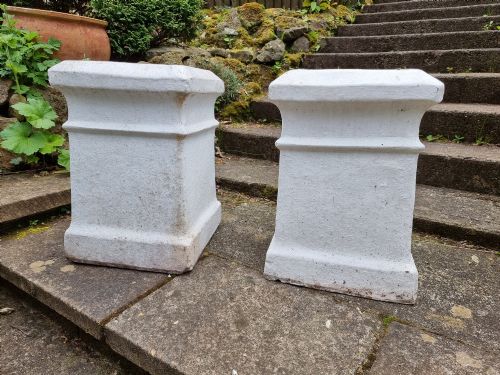
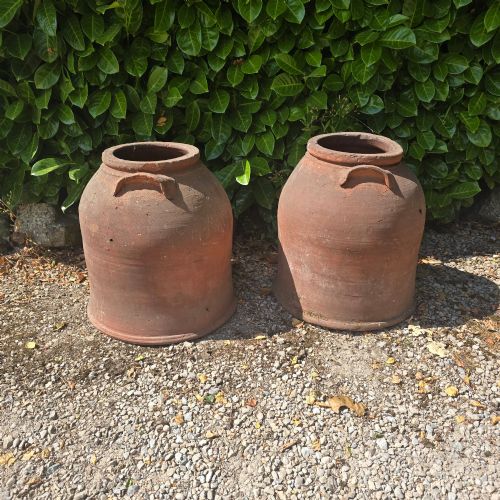
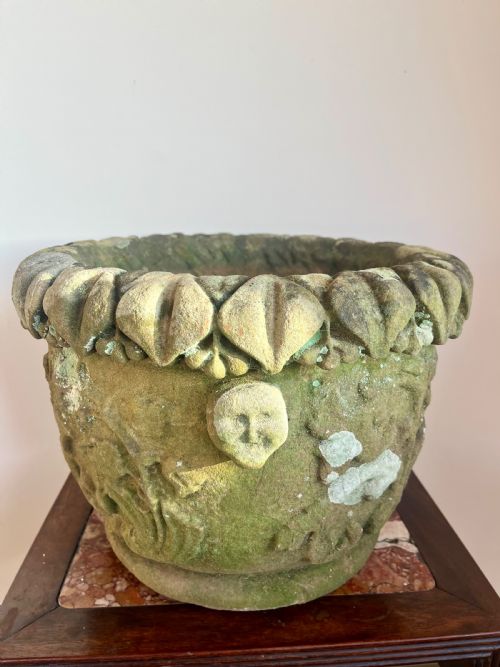
Garden ornament pots comprise a range of vessel forms designed for outdoor display, spanning periods from the eighteenth century through the Edwardian era. When searching for garden ornament pots, buyers encounter traditional forms such as campana urns, planters, jardinieres and repurposed architectural elements including chimney pots and rhubarb forcers.
The most prevalent examples on this page are nineteenth-century and Victorian terracotta and cast iron pieces, often discovered in pairs. These range from classical revival urns on pedestals to salt glazed garden urns and lead planters standing on claw feet.
How they were made
Makers shaped garden ornament pots using traditional casting, moulding and firing techniques suited to each material. Cast iron examples utilise metal casting to achieve crisp classical details on campana urns, whilst lead planters employ sheet or cast methods often featuring supportive feet.
Terracotta and earthenware clay pieces rely on kiln firing, producing porous bodies capable of withstanding outdoor weathering. Salt glazing adds a distinct surface texture to specific Victorian urns, while other pieces incorporate paint finishes or repurposed architectural salvage elements.
Garden Ornament Pots Retail Price Guide 2026
Typical asking prices for garden ornament pots among the pieces listed under this phrase on Sellingantiques today, from the lower quarter to the upper quarter. They describe what is for sale here now, not the wider market.
Listings feature four distinct metal and stone materials including lead and cast iron alongside terracotta and earthenware clay.
What varies in quality
Quality in garden ornament pots depends upon the clarity of cast or moulded detail and the integrity of the material over time. Cast iron urns with sharp definition and substantial weight sit at the upper end of the scale, preserving classical ornamentation without distortion.
Proportion and scale dictate the visual impact of pairs, particularly when matching large nineteenth-century planters or chimney pot conversions. The character of the weathered surface, whether aged terracotta or patinated lead, contributes directly to the aesthetic standing of each vessel.
Andrew Handyside
The Garden Ornament Pots Glossary
- Rhubarb forcer
- A specialised agricultural earthenware or clay vessel used to exclude light and accelerate the growth of rhubarb stalks. In modern gardens, these utilitarian objects are repurposed as architectural planters.
- Salt glaze
- A vitreous coating formed by throwing common salt into the kiln during high-temperature firing of earthenware clay. This process creates a durable, textured surface finish characteristic of certain Victorian pots.
- Jardinere
- A large ornamental pot or stand designed to hold growing plants or flowers. These vessels often appear in matched pairs and display decorative detailing appropriate for prominent outdoor display.
Garden Ornament Pots: Frequently Asked Questions
How do I care for cast iron pots?
Cast iron garden pots require periodic monitoring for oxidation and weather wear to maintain their structural integrity outdoors. Applying appropriate protective coatings helps preserve the metal surface against moisture.
Ensuring proper drainage prevents water accumulation inside the pot during freezing winter conditions, which protects the material from cracking or structural stress.
Can terracotta garden pots stay outside?
Terracotta pots withstand outdoor placement provided they are manufactured from durable clay and fired correctly. Their porous nature allows moisture movement through the walls.
Protecting unglazed earthenware from severe frost prevents the trapped moisture from expanding and damaging the clay body during winter months.
What is a rhubarb forcer used for?
Rhubarb forcers were originally designed as agricultural pots placed over vegetable crowns to block sunlight and encourage tender growth. Their distinctive lidded shapes make them unusual garden ornaments today.
Gardeners now utilise these repurposed clay vessels as striking planters or architectural focal points within planting schemes.
How are chimney pots used as planters?
Chimney pots are architectural salvage pieces adapted for use as vertical garden planters or pedestal bases. Their tall proportions suit planting arrangements requiring elevated placement.
These clay and terracotta cylinders bring height and structure to garden displays, connecting historic domestic architecture with outdoor landscape design.