



Garden Display Stand
These garden display stand pieces elevate greenery and sculpture outdoors, offering structural height and timeless period character for patios and lawns.
Garden Display Stand
A garden display stand provides a dedicated platform to elevate plants, planters, and decorative objects above ground level. These pieces serve practical horticultural needs while adding architectural structure to outdoor spaces.
Buyers searching for a garden display stand will most frequently encounter sturdy iron forms, including multi-tiered plant stands, cast iron column planters, and robust stone plinths. The selection spans the Victorian era through the early twentieth century, incorporating diverse aesthetic influences.
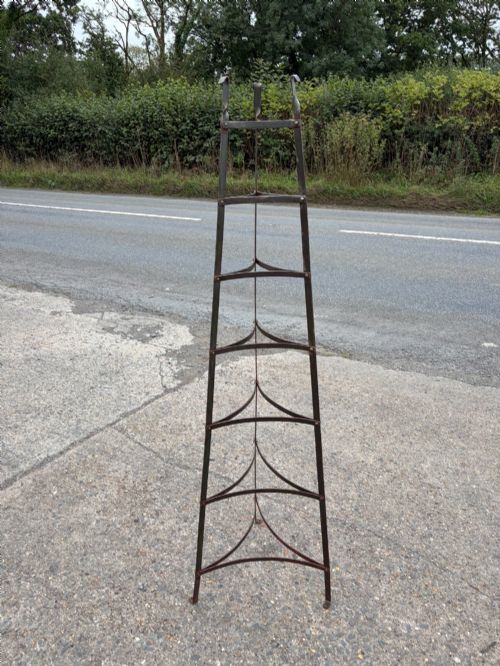
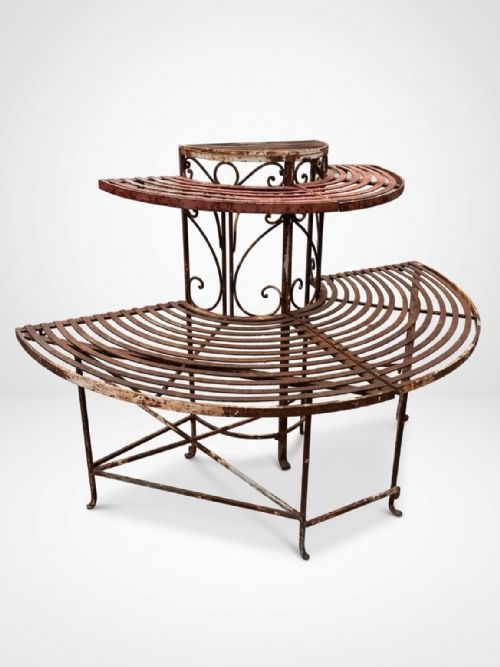
The objects on this page range from simple three-tier wirework and slatted iron corner stands to ornate Gothic style composite stone plinths and carved columns. Each form was designed to withstand exterior environments while showcasing botanical specimens or sculptural torsos.
How they were made
Makers utilised durable metals such as cast iron and wrought iron, often shaping them into tiered frames, riveted corner units, and column planters. Paint finishes, sometimes in white or black, were applied to protect the metal from weathering in damp garden conditions.
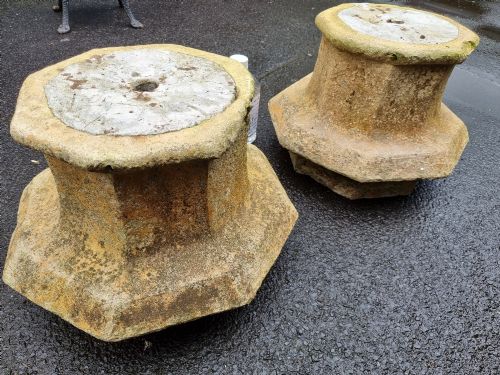
Stone and composite stone examples were carved or moulded into heavy plinths, pedestals, and architectural columns designed to bear significant weight. Stoneware and carved red stone provided robust, permanent display surfaces for formal gardens and conservatories.
Timber and lacquer found use in specific interior or conservatory contexts, as seen in painted storage shelves and Chinese lacquered pedestals. Construction methods balanced load-bearing strength with decorative detailing appropriate to the period style.
Garden Display Stand Retail Price Guide 2026
Typical asking prices for garden display stand among the pieces listed under this phrase on Sellingantiques today, from the lower quarter to the upper quarter. They describe what is for sale here now, not the wider market.
What varies in quality
The refinement of the casting and carving distinguishes standard utility items from more ambitious architectural pieces. Crisp detailing in cast iron ornamentation or hand-carved stone reveals the skill of the original maker.
The choice of material and structural integrity dictate the durability and visual weight of the stand. Heavier stone plinths and thick-gauge riveted iron demonstrate substantial construction designed for permanent garden placement.
Surface patination and the survival of early painted finishes contribute to the visual character of older pieces. Weathered textures accumulated over decades enhance the authenticity of nineteenth-century ironwork and stoneware.
The Garden Display Stand Glossary
- Plinth
- A heavy base or slab supporting a statue, vase, or column. These sturdy supports lift display items clear of damp earth.
- Jardiniere
- An ornamental pot or stand for holding flowers and plants. These elevated holders bring greenery to eye level on patios or terraces.
- Gothic Revival
- An architectural and decorative style drawing inspiration from medieval forms. Pieces in this tradition often feature pointed arches and quatrefoil motifs.
- Composite stone
- A durable artificial material manufactured from aggregate stone bound together. It provides the appearance of natural carved stone for garden ornaments.
- Tiered planter
- A multi-level stand arranged in successive steps or shelves. This stepped design allows several potted plants to be displayed compactly in a vertical format.
Garden Display Stand: Frequently Asked Questions
How were garden display stands used historically?
Garden display stands elevated potted plants, ferns, and sculptural items to improve visibility and protect delicate vegetation from ground pests. In Victorian conservatories and formal gardens, they created varied heights and arranged greenery into structured focal points.
Larger stone plinths and architectural columns often supported heavy urns, stone torsos, or classical statues along garden paths and terrace walls. Smaller tiered wirework stands held multiple small pots within enclosed glasshouses or sheltered verandahs.
Where should I place a garden display stand?
These stands suit patios, courtyards, lawns, and sheltered garden rooms where plants or architectural fragments require elevation. Placing a stand against a brick wall or near a garden seating area creates a deliberate visual anchor for trailing foliage.
Heavy stone and cast iron pieces can remain outdoors year-round due to their robust construction. Lighter wirework or painted iron stands benefit from storage during harsh winter weather to preserve their finishes.
How do I identify Victorian iron stands?
Victorian iron stands typically feature heavy cast construction, riveted joints, or intricate wirework patterns associated with nineteenth-century manufacturing techniques. Common motifs include three-tier circular shelving, Gothic scrollwork, and painted protective finishes in black or white.
Examining the metal for hand-forged riveting, casting seams, and deep patination helps distinguish nineteenth-century examples from later reproductions. The presence of slatted iron construction or heavy column profiles points directly to this period.
What is the difference between stone and composite stone?
Natural stone and carved stone items are hewn directly from quarried rock, displaying unique geological variations and hand-tooled surfaces. Antique examples show authentic weathering from decades of exterior exposure.
Composite stone is formed by binding stone aggregates with a matrix to create moulded architectural elements like plinths and pedestals. This method allowed makers to produce consistent classical revival shapes while retaining the weight and appearance of natural stone.