





Fringed Armchair
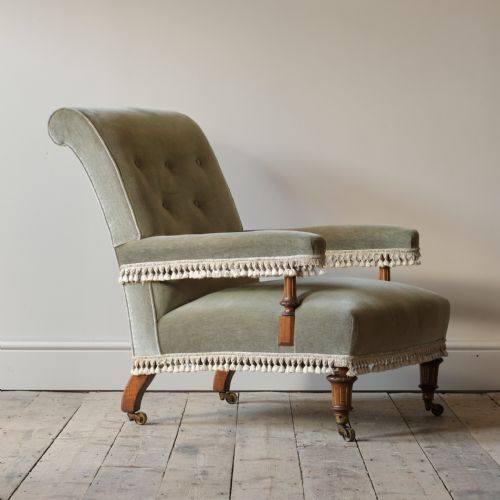
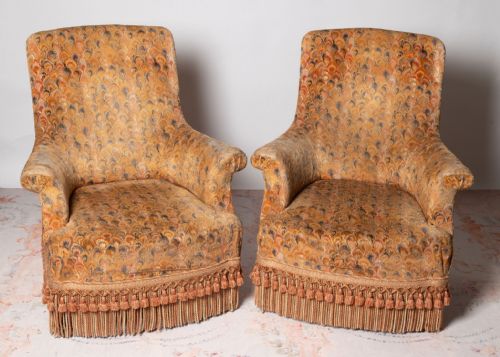
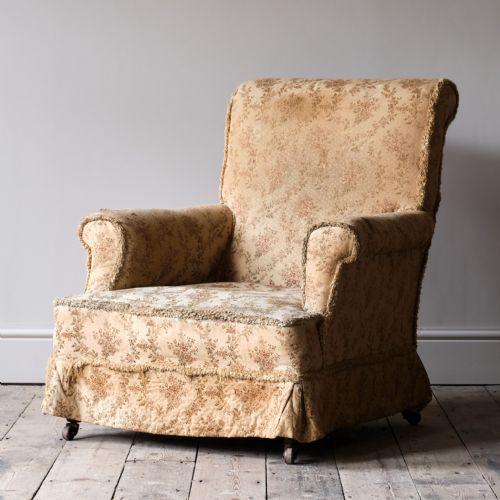
A fringed armchair brings heavy velvet, exposed timber frames and distinct period character directly into a sitting room.
Fringed Armchair
A fringed armchair covers a broad span of seating forms from the nineteenth century into the twentieth century, taking in bedroom chairs, slipper chairs, and heavy open armchairs. Buyers searching for a fringed armchair encounter styles ranging from Victorian and Edwardian examples to Napoleon III and Art Deco designs.
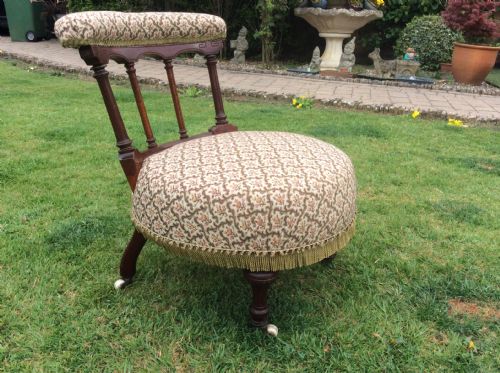
The selection includes low boudoir seats alongside grander wing armchairs and walnut framed throne chairs. Origins stretch across British workshops and French makers, offering both fully upholstered frames and timber structures ready for new textile coverings.
How they were made
Construction relies upon solid timber frames shaped from mahogany, oak, walnut, or general wood, providing the structural skeleton for heavy upholstery. Artisans secured textile fringe along the base edges as a decorative finish to conceal castors or lower frames.
Textiles define the soft elements, utilising rich velvet and woven carpeting alongside traditional stuffing techniques. Brass components, including castors, often support the feet beneath the heavy textile fringe.
Some chairs wear woven kilim carpets instead of plain velvet, proving that nineteenth century floor coverings made surprisingly comfortable upholstery.
What varies in quality
Quality rests upon the integrity of the underlying timber frame and the sophistication of the period style, from simple bedroom seating to detailed Gothic Revival or French Empire carving. Timber selection, such as figured mahogany or rich walnut, elevates the standing of the piece.
The character of the upholstery materials, including heavy velvet and woven kilim textiles paired with original fringe work, dictates the visual weight and authenticity of the armchair.
Gillows·J.Mills
The Fringed Armchair Glossary
- Fringe
- Textile fringe. An ornamental border of hanging threads or cords attached to the lower edges of upholstery to conceal the frame or castors.
- Napoleon III
- A nineteenth century French style. It incorporates ornate frames and luxurious fabrics often prepared for specific upholstery choices.
- Slipper chair
- A low-framed bedroom chair. It sits close to the floor and typically lacks arms to allow easier dressing.
- Wing armchair
- An upholstered chair with side panels attached to the back. These wings originally blocked drafts and retained fireplace heat.
Fringed Armchair: Frequently Asked Questions
Where did people use these armchairs?
Buyers originally placed these chairs in drawing rooms, parlours, boudoirs, and grand country house settings depending on their scale and upholstery.
Smaller slipper chairs and bedroom chairs suited private chambers, while heavy open armchairs and wing chairs anchored main living spaces.
How do I identify the period?
Period identification relies upon the combination of frame timber, carved detailing, and stylistic markers such as Victorian buttoning or Art Deco geometry.
Examining the underlying woodwork and structural silhouette reveals whether a piece stems from mid nineteenth century workshops or later Edwardian production.
Can I reupholster these chairs?
Many listings specifically note chairs offered for upholstery, allowing buyers to select new fabrics while retaining the antique frame.
Original textile elements like kilim carpets or vintage velvet can sometimes be preserved if the material remains strong and stable.
What is a fringe used for?
Textile fringe serves as a decorative border along the lower edge of upholstered armchairs, adding texture and weight to the design.
It also acts as a practical skirt that conceals internal wooden framing, webbing, and metal castors.