



French Wrought Iron Light
These French wrought iron light pieces bring heavy metal craftsmanship and artistic glass together for rooms that need historic character.
French Wrought Iron Light
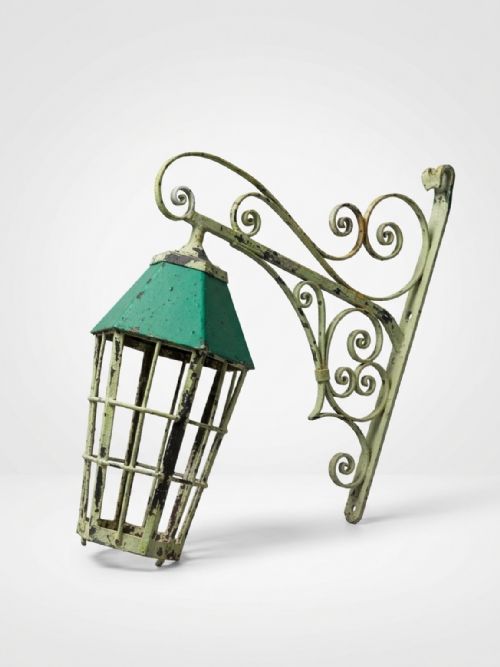
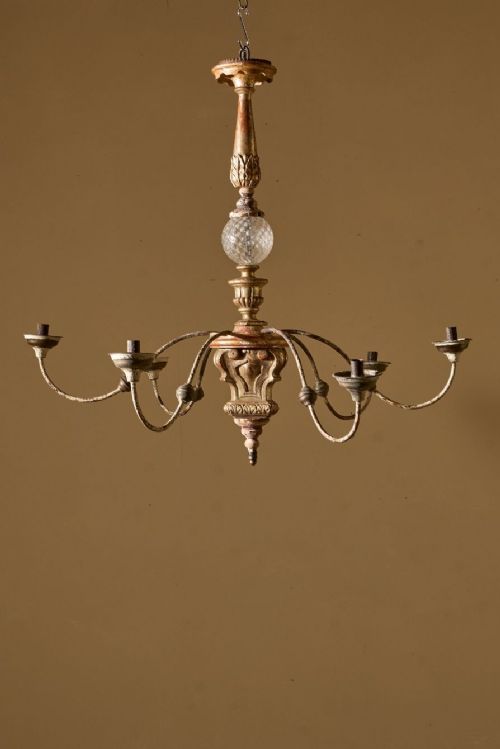
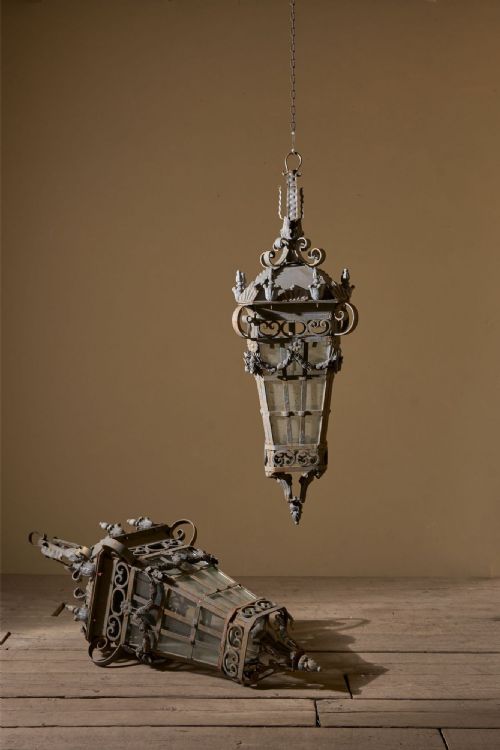
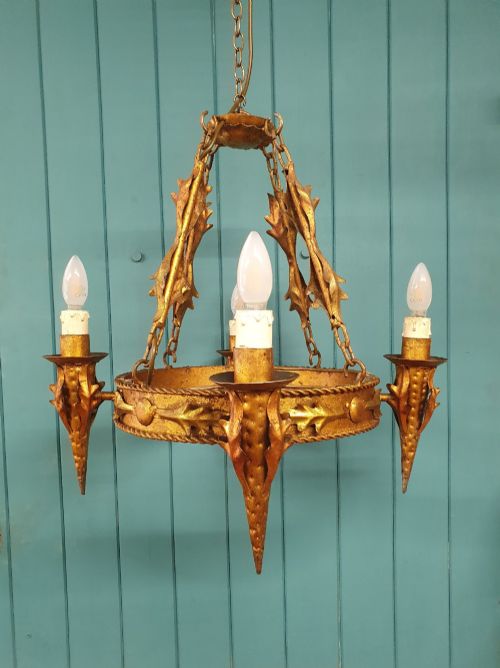
When you search for french wrought iron light, you encounter heavy metal frames shaped into chandeliers, wall sconces, and hanging lanterns. These fixtures originate from periods spanning the nineteenth century through the 1940s, drawing on styles like Art Deco, Art Nouveau, and Gothic Revival. The selection relies heavily on pieces originating from France, with occasional regional variations such as Italian Florentine or Portuguese designs appearing in the mix.
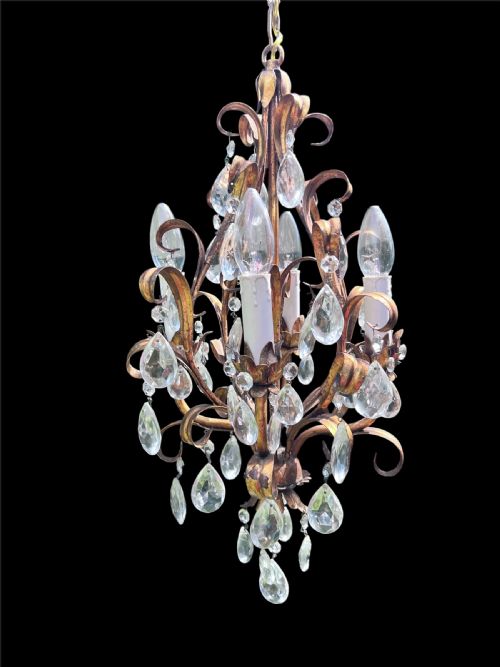
Chandeliers and wall lights dominate the offerings, built to handle multiple candle or electric bulbs within sturdy forged metal armatures. You also find hall lanterns and table lamps, often integrating glass shades or crystal drops into the iron framework. The designs range from austere rustic country pieces to ornate gilded creations suited for formal chateaux.
How they were made
Blacksmiths heated and hammered iron bars by hand to form the scrolling arms, wall brackets, and lantern cages that define these fittings. This manual manipulation leaves subtle hammer marks and slight asymmetries that betray human labour rather than machine stamping.
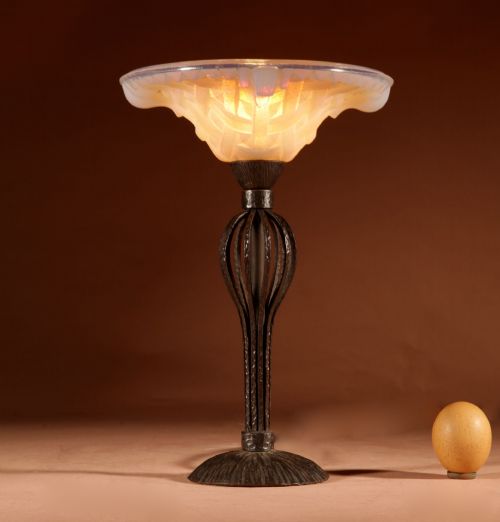
Glass elements paired with the iron include frosted, opalescent, and enamelled shades, alongside moulded pate de verre bowls and coloured crystal fruits. Makers combined these fragile glass components with the rigid metal structures using collars, screws, and suspension chains.
One branch iron chandelier takes the fruit theme seriously, hanging heavy with coloured glass apples, pears, and grapes right above your head.
What varies in quality
The refinement of the ironwork sets the baseline for quality, distinguishing simple functional brackets from sculptural forged masterpieces with intricate floral or geometric details. Superior pieces show careful attention to proportions and clean lines where individual scrolls meet the main body.
The integration of the glass shade elevates the piece further, particularly when signed by notable glassworks of the period rather than utilising generic trade glass. Original surface treatments, such as polychrome paint or gilding that has aged naturally, also separate standard production items from exceptional decorative examples.
Lacroix Lalique·Schneider·Daum·Degue·Verrerie Des Vosge·Muller Freres
The French Wrought Iron Light Glossary
- Wrought iron
- Iron that has been heated and shaped by hand with tools rather than poured into a mould. This material provides the strong, fibrous skeleton for lanterns and chandeliers.
- Pate de verre
- A glass-making technique where crushed glass is packed into a mould and fused in a kiln. It produces richly textured, semi-translucent shades with mottled colour.
- Pricket
- A sharp metal spike on a candle chandelier or stand designed to hold a wax candle in place. Older fixtures often feature this traditional mounting method before electric fittings took over.
- Coronet
- A small crown-like decorative element positioned at the top of a chandelier or lantern. It adds vertical height and ornamental detail to the suspension point.
- Polychrome
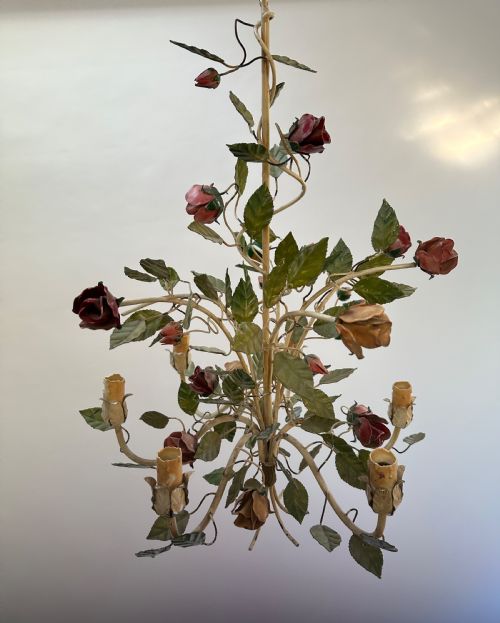
- Painted in several colours, often applied to the iron framework of lights to highlight floral or foliate motifs. This finish softens the stark industrial look of raw metal.
French Wrought Iron Light: Frequently Asked Questions
How do I wire an old iron light?
Rewiring requires threading modern flex through the hollow channels or external tubes of the iron armature, ensuring earth connections are properly grounded to the metal frame.
Because original wiring from the early twentieth century degrades, a professional electrician should inspect and update the internal components before installation.
Are these fixtures suitable for low ceilings?
Flush-mounted ceiling lights and wall sconces work best in rooms with restricted vertical clearance, keeping walkways clear while providing ample illumination.
Chandeliers with long chain suspensions can often have links removed to shorten the drop, provided the overall proportions remain balanced.
How do I clean wrought iron and glass?
Dust the iron framework gently with a dry brush and apply a microcrystalline wax sparingly if the metal requires protection against moisture.
Remove glass shades carefully from their metal collars to wash them in warm soapy water, avoiding harsh abrasives that might damage historic surfaces.
Can these lights be used outdoors?
Hanging lanterns and porch lights were originally built to withstand exterior conditions, but surviving antique examples often lack modern weatherproof seals.
Using them in sheltered outdoor areas or keeping them strictly indoors preserves the delicate painted finishes and fragile glass elements.