



French Wooden Mirror
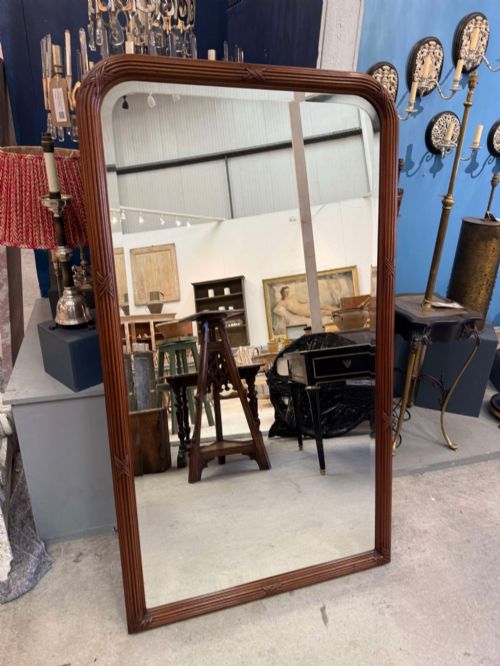
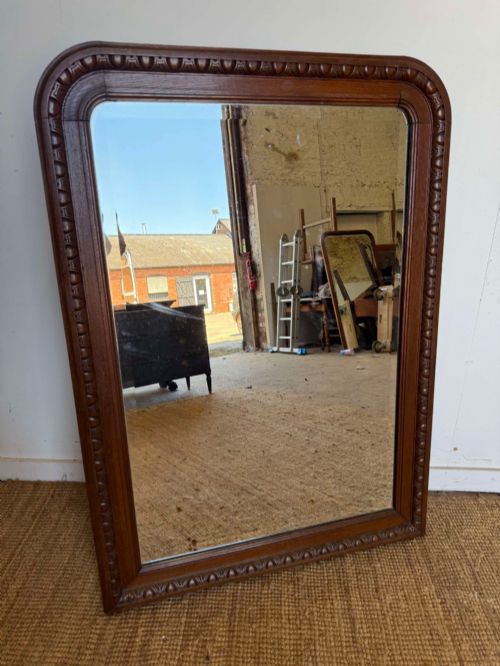
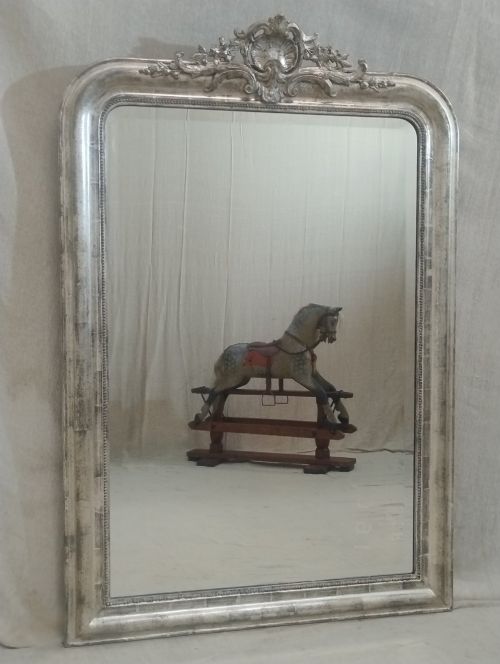
A french wooden mirror brings warmth and depth to a room through carved detail and patinated surfaces.
French Wooden Mirror
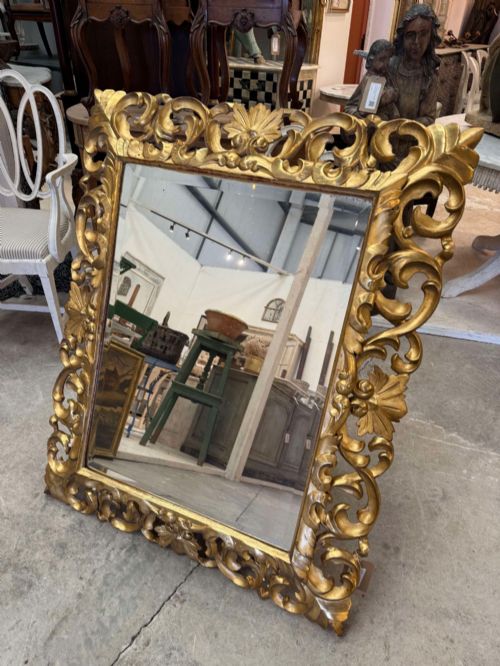
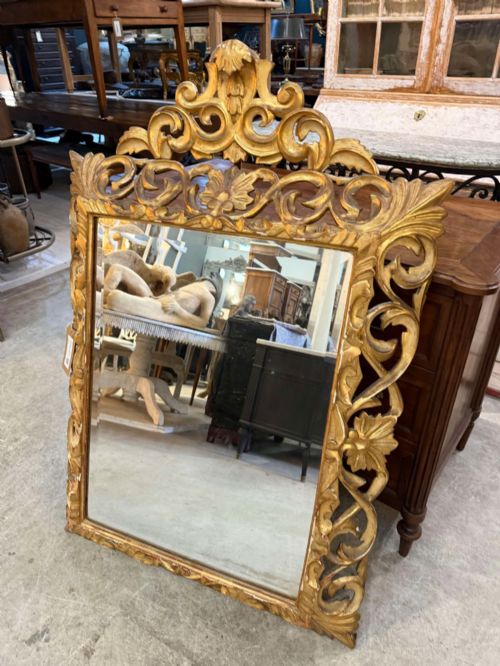
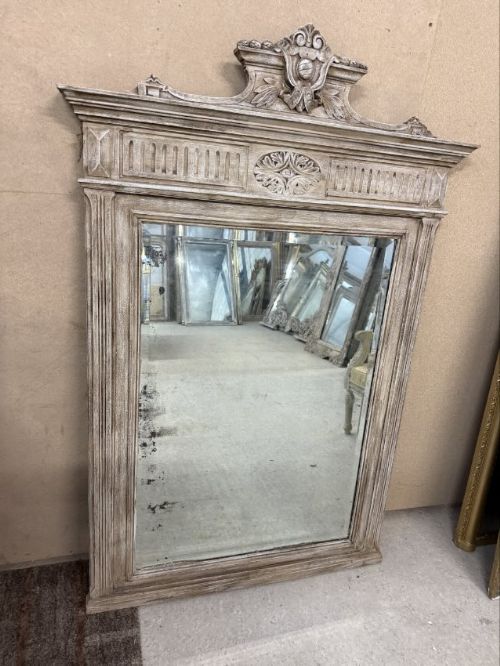
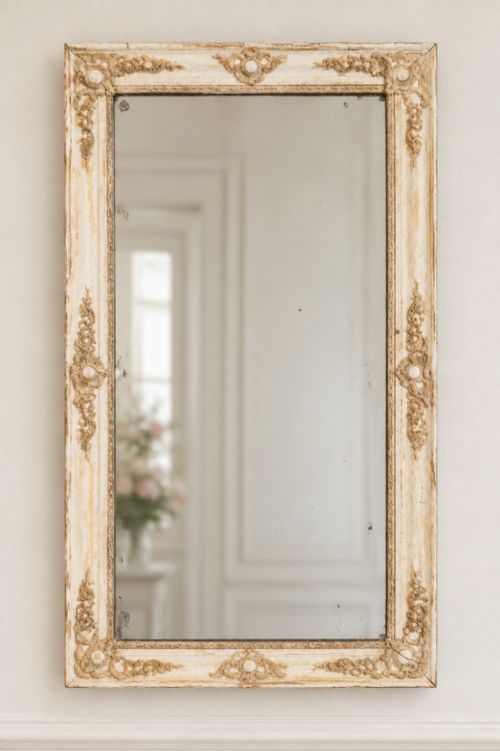
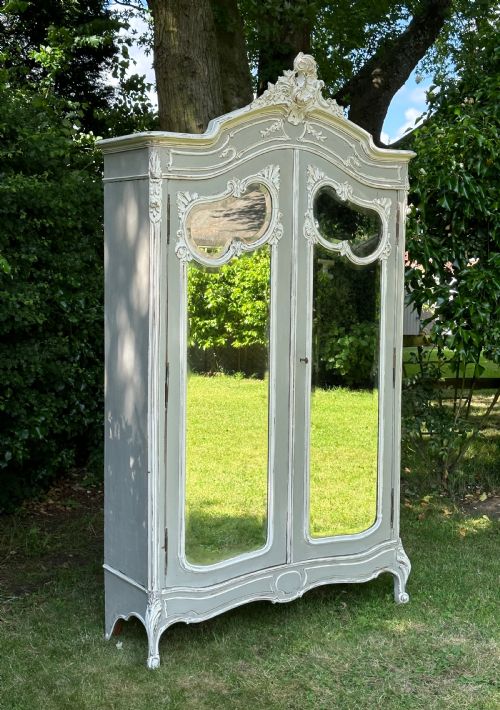
A french wooden mirror represents a tradition of interior decoration spanning from the eighteenth century into the twentieth century, encompassing wall hanging forms, overmantels, and trumeau pier mirrors. These objects function as architectural elements designed to reflect light and expand the perceived proportions of domestic interiors.
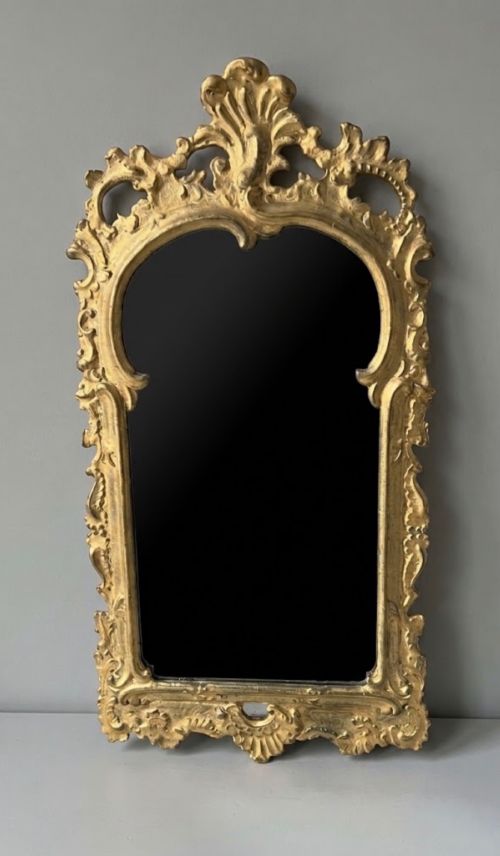
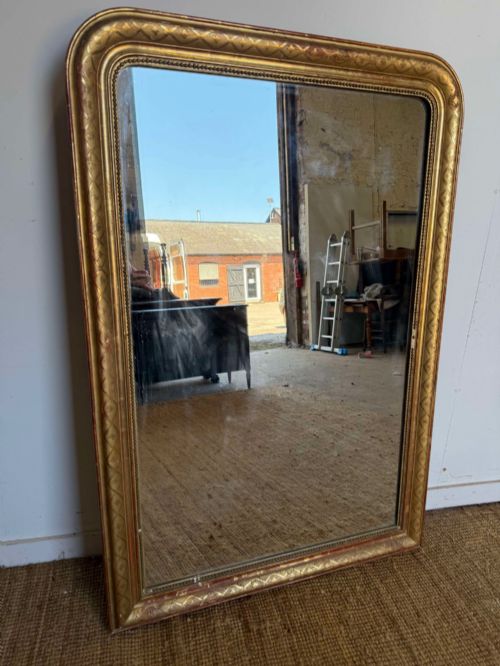
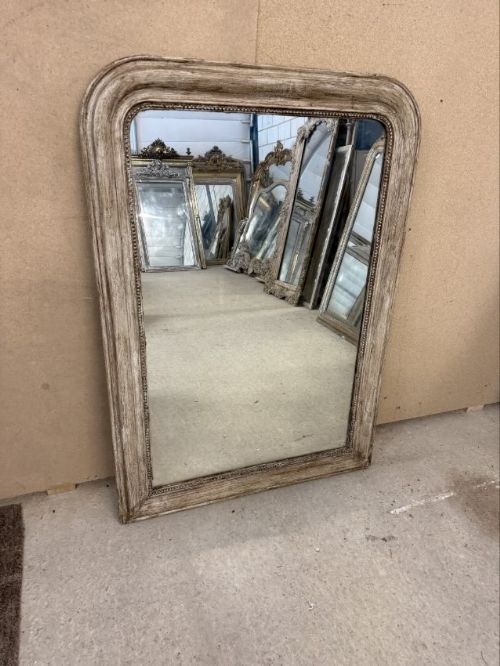
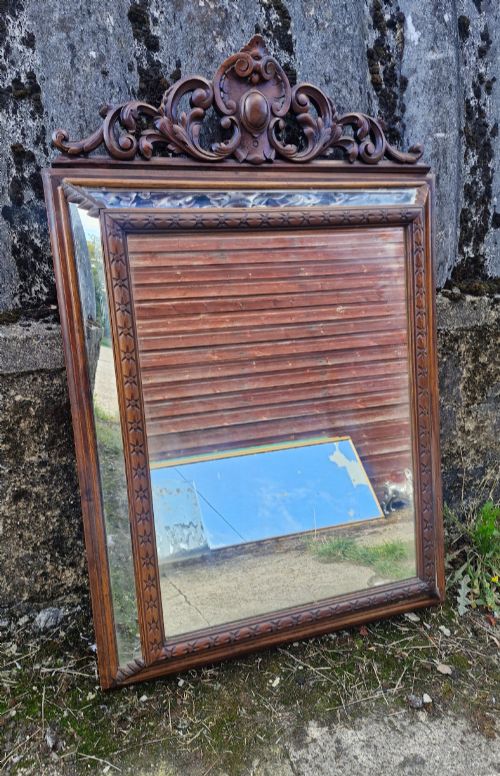
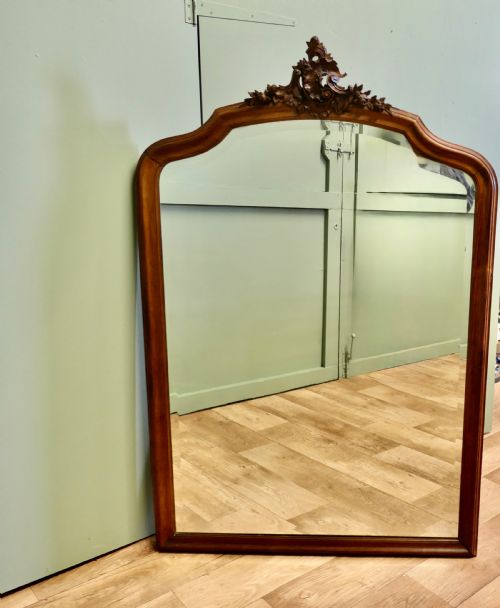
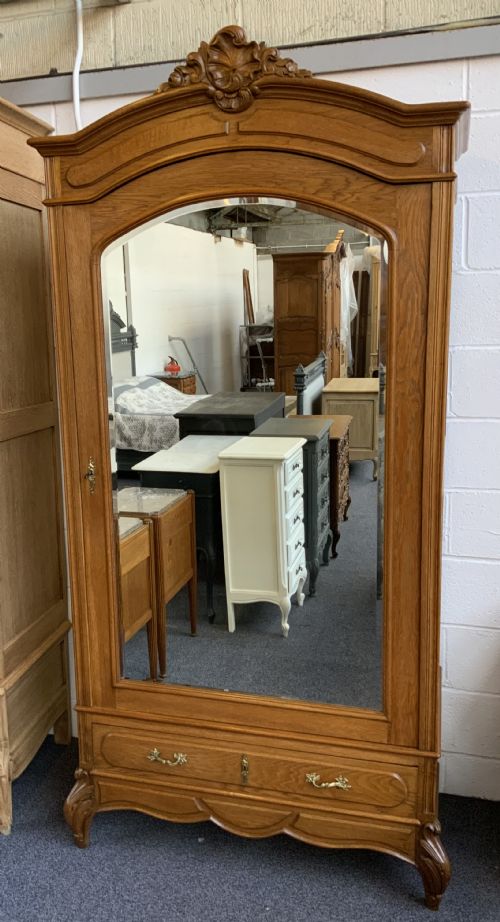
The selection ranges from restrained provincial oak frames to heavily ornamented giltwood and gesso pieces influenced by rococo and neoclassical styles. Buyers encounter both rustic country items and sophisticated urban designs within the available inventory.
Overmantel mirrors dominate the larger formats, while smaller oval and rectangular wall mirrors serve intimate spaces. Each piece carries the distinct regional characteristics of French craftsmanship from various periods.
How they were made
Frames rely on solid timbers such as oak, walnut, and maple, shaped by hand carving and joinery techniques appropriate to their respective centuries. Wood serves as the structural foundation, often prepared with gesso layers to receive gilding or paint.
Surface treatments combine gold leaf, silver gilt, and various paint palettes, applied to highlight carved motifs like foliage, scrolls, and beadwork. Artisans utilised traditional gilding methods over prepared grounds to achieve lasting metallic sheens.
French Wooden Mirror Retail Price Guide 2026
Typical asking prices for french wooden mirror among the pieces listed under this phrase on Sellingantiques today, from the lower quarter to the upper quarter. They describe what is for sale here now, not the wider market.
Listings feature oak, walnut, and maple frames spanning the eighteenth, nineteenth, and early twentieth centuries.
What varies in quality
The depth and crispness of the wood carving distinguish superior examples from simpler production, particularly in rococo revival and neoclassical interpretations. Skilled carvers create naturalistic relief work with distinct undercut details rather than shallow, mechanical stamping.
The preservation of original surface finishes, whether unadorned scrubbed oak, layered paint, or genuine giltwood, determines the historical integrity of the object. Higher quality pieces maintain their original mirror plates and backing structures without extensive modern intervention.
The French Wooden Mirror Glossary
- Trumeau
- A decorative wall mirror incorporating a painted panel or carved artwork above the glass plate. These tall mirrors traditionally fit between windows or above mantelpieces in grand rooms.
- Gesso
- A plaster mixture applied to wood frames to create a smooth surface for gilding or painting. It accepts fine detail work during the carving and preparation stages.
- Giltwood
- Timber coated with a thin layer of gold leaf over a prepared base. This finish provides a bright, reflective quality popular in formal interior schemes.
- Overmantel
- A large mirror specifically proportioned to hang above a fireplace mantel. These pieces often feature landscape orientations to match the width of the hearth below.
- Faux bamboo
- Wood turned and carved to imitate the jointed stalks of natural bamboo. This decorative technique appears frequently in nineteenth century pieces influenced by Japanese design.
French Wooden Mirror: Frequently Asked Questions
How do I hang a heavy wooden mirror?
Heavy mirrors require secure wall fixings anchored directly into masonry or wooden studs using appropriate brackets.
Professional installation ensures the weight distributes evenly across the hanging wire or D-rings attached to the frame.
How do I clean an antique mirror plate?
Wipe the glass gently with a soft cloth slightly dampened with distilled water or a mild vinegar solution. Avoid spraying liquid directly onto the glass to prevent moisture seeping behind the silvering.
Can these mirrors go in a bathroom?
High humidity and fluctuating temperatures can damage historic wood, gesso, and silvered glass over time. Placing them in damp environments risks cracking the finish and degrading the mirror plate.
How do I identify the period of a frame?
Examine the timber species, joinery methods, and decorative motifs against known historical styles like Louis Philippe or Rococo Revival. Tool marks on the wood and the composition of the backing boards offer further clues to age.