


French Wooden Console
These french wooden console tables bring provincial character and architectural presence to a hallway or reception room.
French Wooden Console
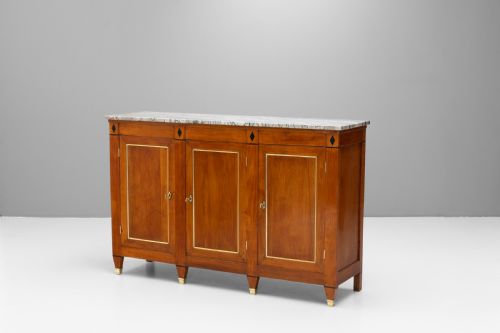
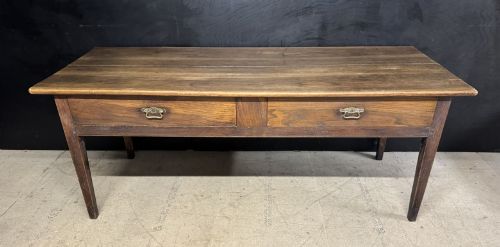
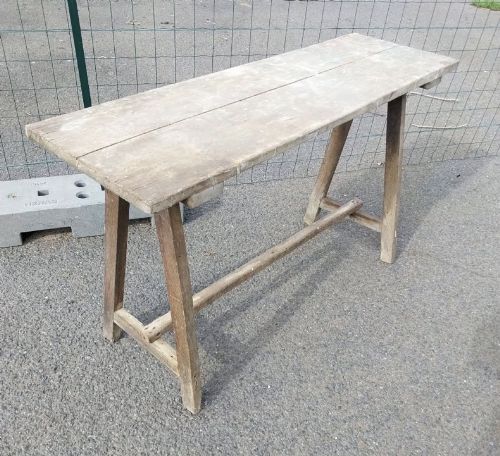
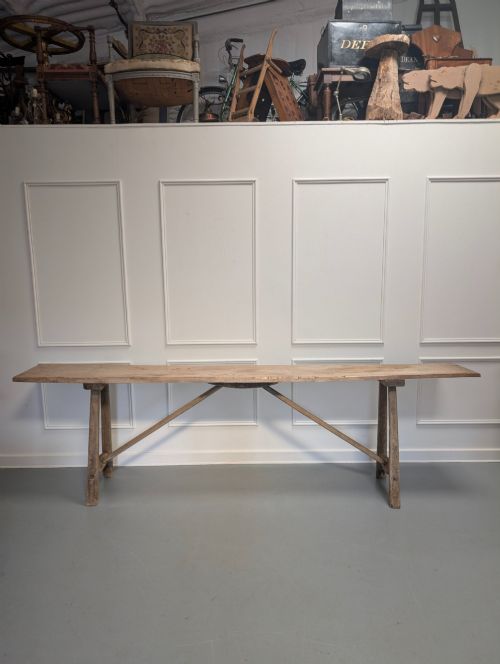
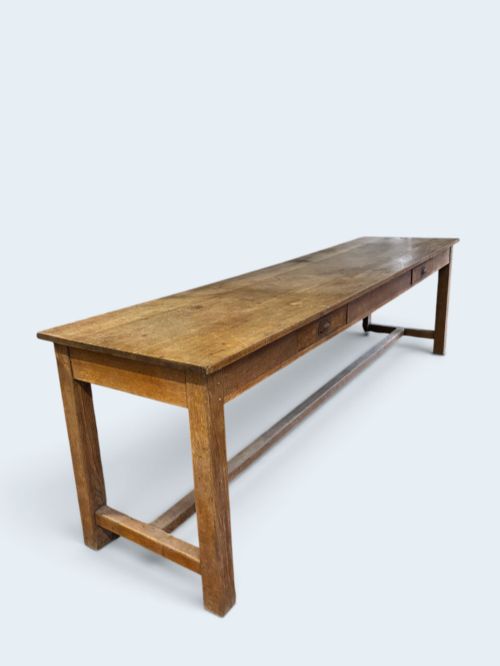
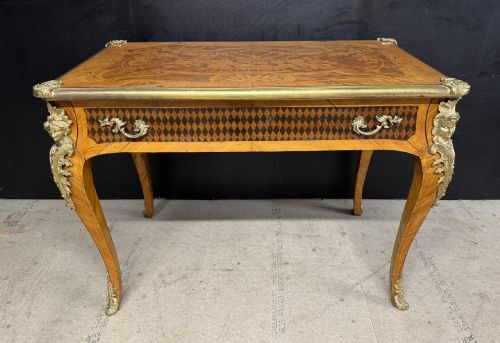
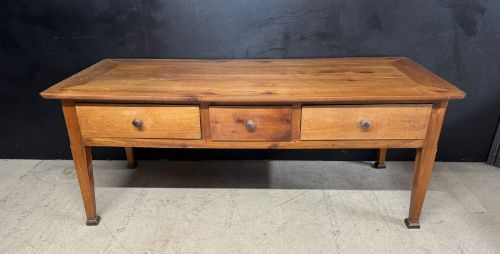
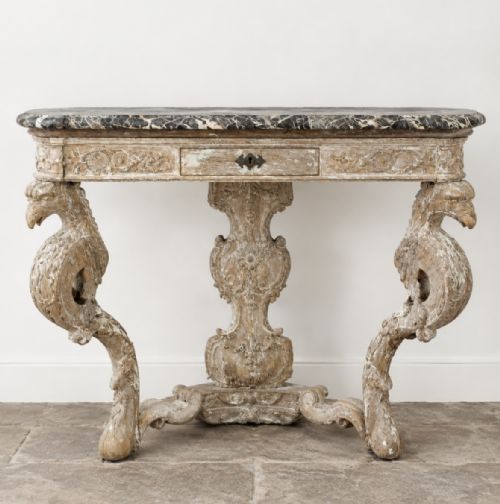
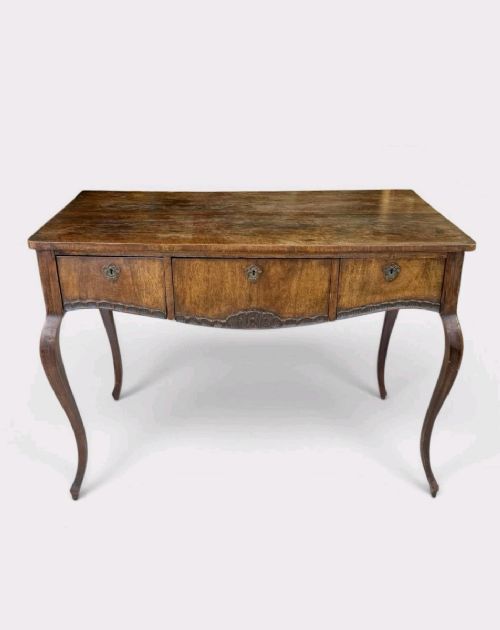
A french wooden console typically spans several distinct architectural traditions, ranging from rustic provincial workbenches and laundry tables to formal Louis XV style pieces. These items serve primarily as hallway or serving tables, often featuring single drawers or two-tier formats designed for practical domestic use.
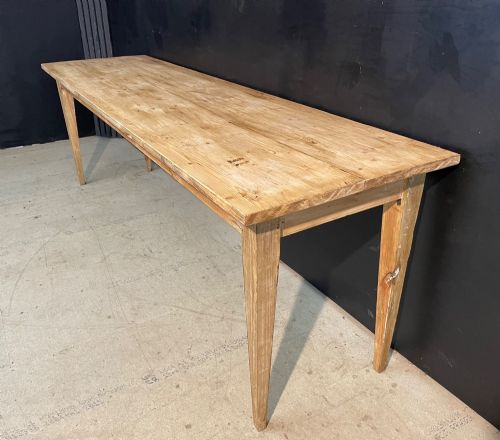
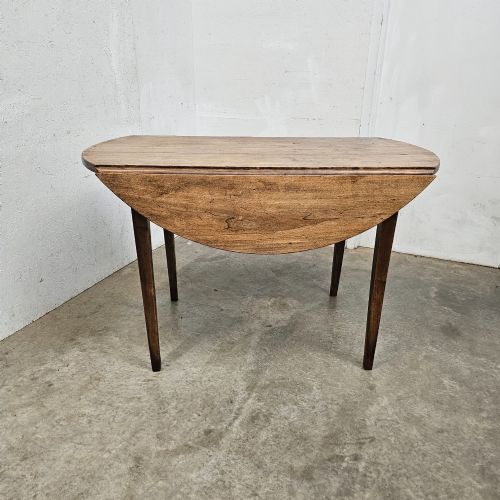
The versions most frequently encountered on this page date from the eighteenth and nineteenth centuries, constructed in regional timbers like oak, fruitwood, and pine. Many retain original painted finishes or scrubbed wooden tops, reflecting their daily use in French country houses and domestic workspaces.
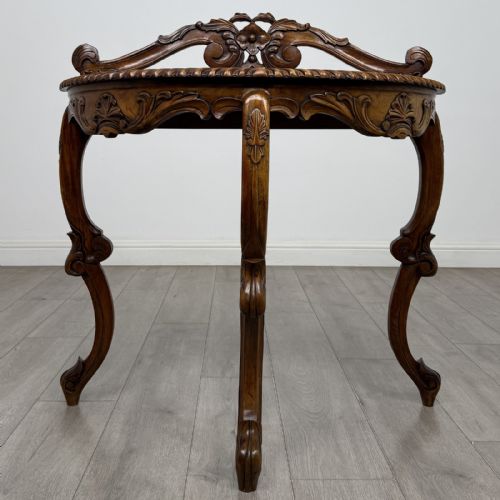
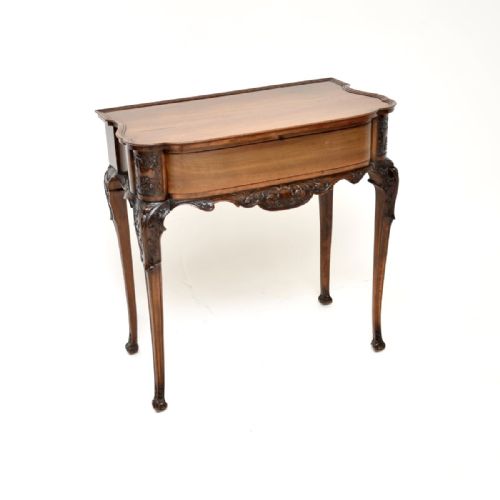
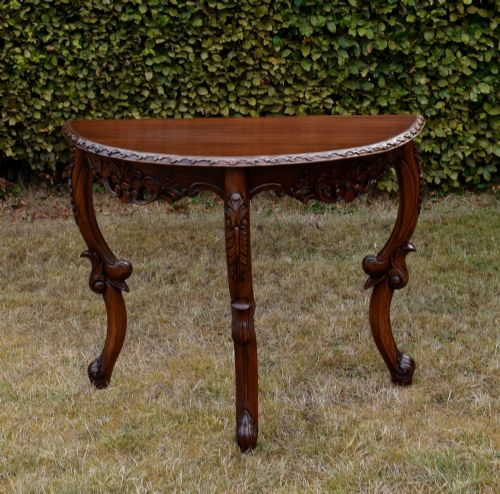
More ornate examples incorporate neoclassical lines or elaborate carved details, aligning with Victorian and Edwardian interpretations of continental design. Whether plain or decorative, each piece offers a specific functional footprint suited to narrow spaces against interior walls.
Construction and timber selection
Makers utilised solid regional hardwoods such as oak, cherrywood, walnut, and fruitwood alongside durable softwoods like pine for larger framework and scrub-tops. Joinery relied on traditional methods appropriate to the period, accommodating the seasonal movement of timber in domestic environments.
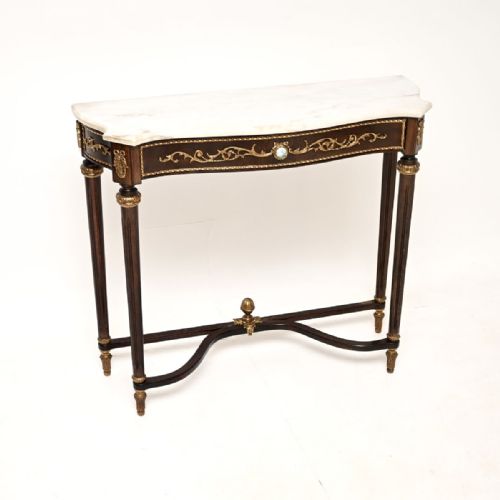
Surface treatments range from natural waxed grain and polished veneers to layered paint finishes applied over earlier primers. Metal elements such as brass or ormolu mounts appear selectively on formal pieces, while utilitarian tables rely purely on pegged and jointed wooden construction.
French Wooden Console Retail Price Guide 2026
Typical asking prices for french wooden console among the pieces listed under this phrase on Sellingantiques today, from the lower quarter to the upper quarter. They describe what is for sale here now, not the wider market.
Listings feature oak, pine, fruitwood, and cherrywood spanning the eighteenth, nineteenth, and early twentieth centuries.
Judging build and material integrity
Quality rests in the selection of timber and the honesty of the construction, distinguishing robust utilitarian benches from refined reception furniture. Superior examples maintain structural stability without excessive modern intervention, retaining their original timber thickness and operational drawers.
The handling of decorative elements, from hand-carving to applied marquetry and marble tops, defines the upper tier of production. Subtle details in timber grain and the depth of surface patination separate provincial utility from considered cabinet work.
The French Wooden Console Glossary
- Console table
- A table designed to stand against a wall, traditionally supported by brackets or legs at the front. These pieces often feature narrow proportions suitable for hallways and reception rooms.
- Fruitwood
- Timber harvested from fruit-bearing trees such as pear, apple, or cherry. Cabinet makers valued it for its fine grain and warm tone.
- Marquetry
- Decorative veneer work arranged in geometric or pictorial patterns across a surface. Artisans embedded thin slices of contrasting wood into a fitted ground.
- Ormolu
- Gilded bronze mounts applied to furniture. This decorative technique adds metallic enrichment to formal pieces.
- Scrub-top
- A solid wooden tabletop left unpolished for regular cleaning. These surfaces acquired a pale, weathered patina through decades of domestic use.
French Wooden Console: Frequently Asked Questions
Where should I place a french wooden console?
These tables suit narrow circulation areas, hallways, and living rooms where floor space is limited. Their shallow depth allows them to sit against walls without obstructing pathways.
They function effectively as serving surfaces or display areas for lamps and decorative objects. Pairing them with mirrors creates a traditional focal point in an entrance.
How do I clean wooden console surfaces?
Dust surfaces regularly with a dry, soft cloth to prevent particle buildup. Avoid silicone sprays and abrasive cleaners that damage historic polishes.
Apply a traditional beeswax polish sparingly to maintain nourished timber. Buff gently with a clean cloth to preserve the natural sheen of the wood.
Are these tables suitable for daily use?
Provincial and utilitarian tables were constructed for demanding domestic tasks and remain robust for everyday service. Solid timber construction withstands regular weight when handled reasonably.
Consider the finish when selecting a table for heavy use. Waxed or scrubbed tops handle daily activity well, whereas delicate marquetry requires more careful placement.
How can I identify older timber?
Examine the underside and drawer interiors for tool marks and construction methods consistent with past centuries. Hand-sawn boards and irregular grain patterns indicate older preparation.
Look for natural patination, wear around touch points, and shrinkage cracks in the wood. These indicators reveal age and authenticity better than uniform modern finishes.