


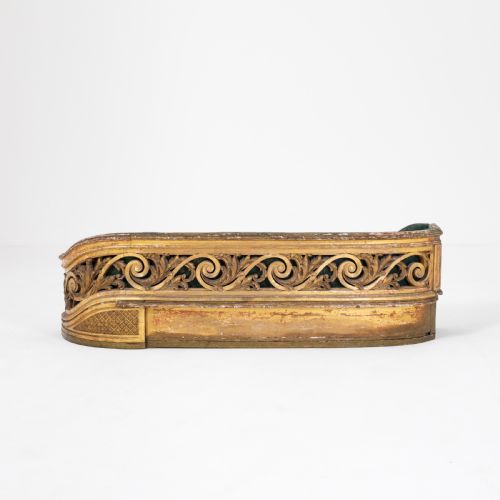
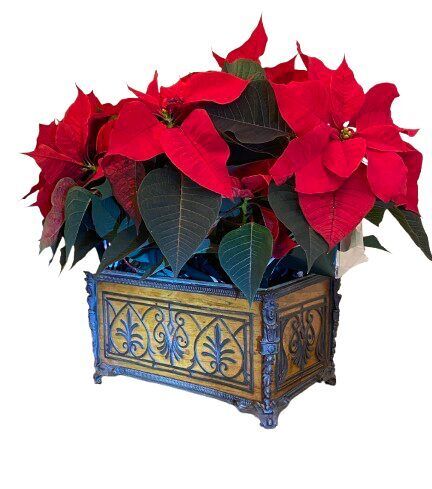


French Wood Jardiniere
These French wood jardiniere pieces are decorative plant containers designed to bring greenery inside, prized for their rich timbers and fine metal mounts.
French Wood Jardiniere
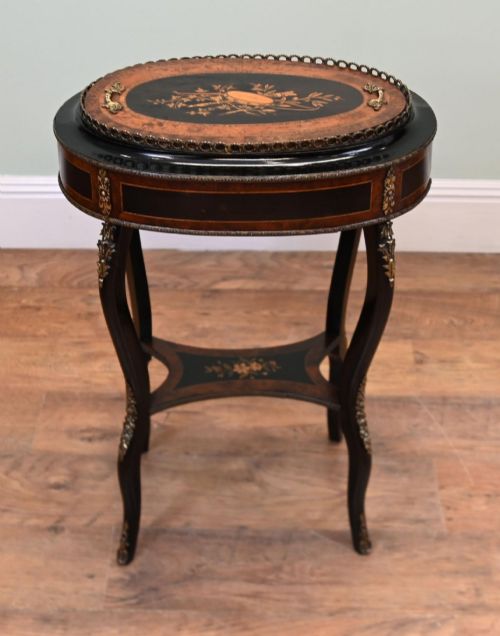
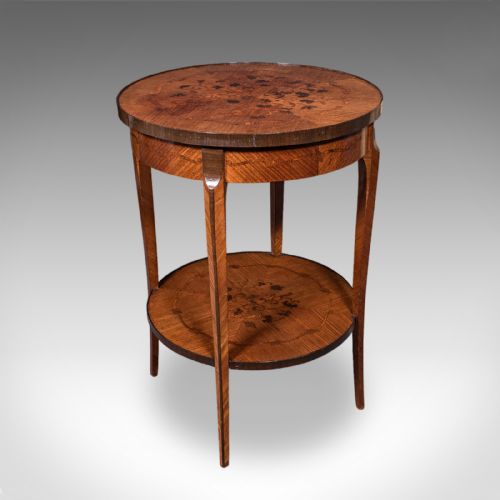
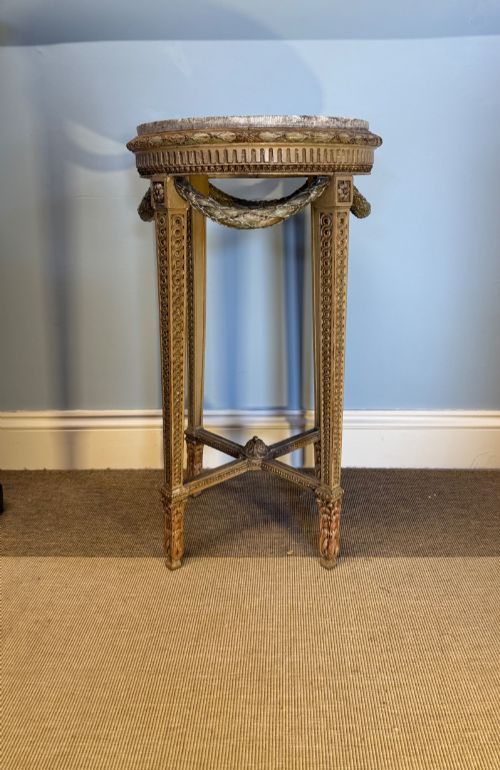
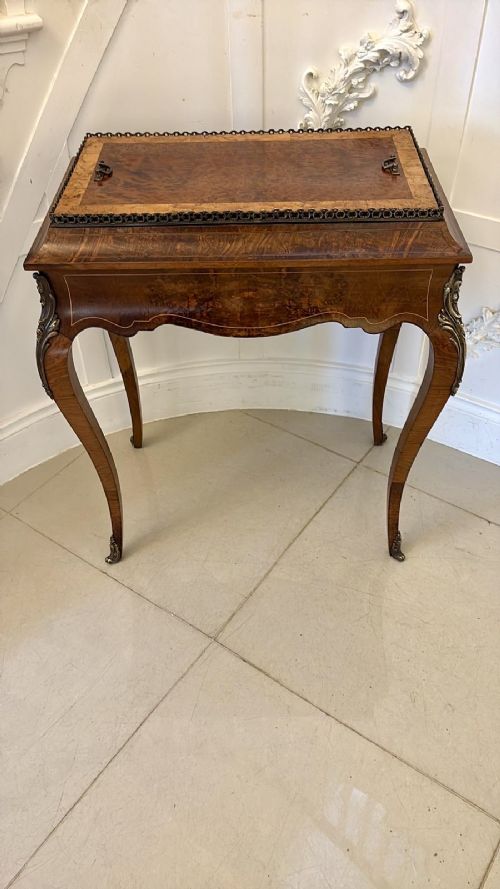
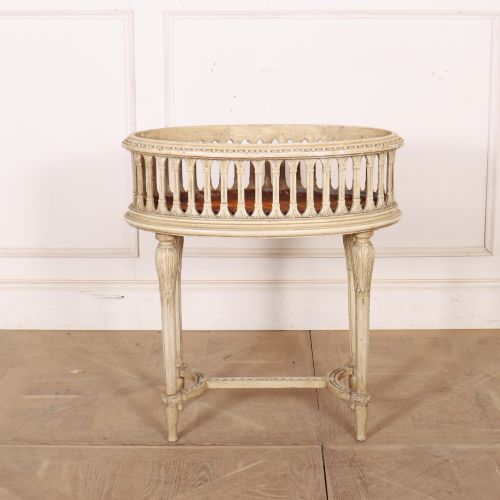
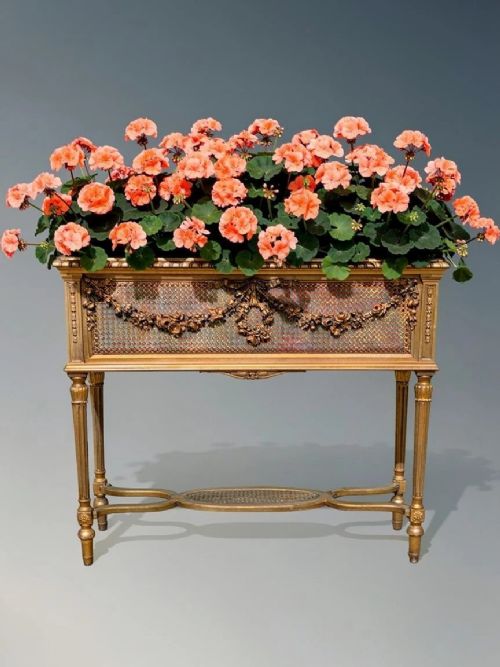
The pieces appearing on this page span the nineteenth century, the Edwardian era, and into the early twentieth century. Styles range from Napoleon III and Louis XV revival to Louis XVI style, reflecting classical French decorative traditions.
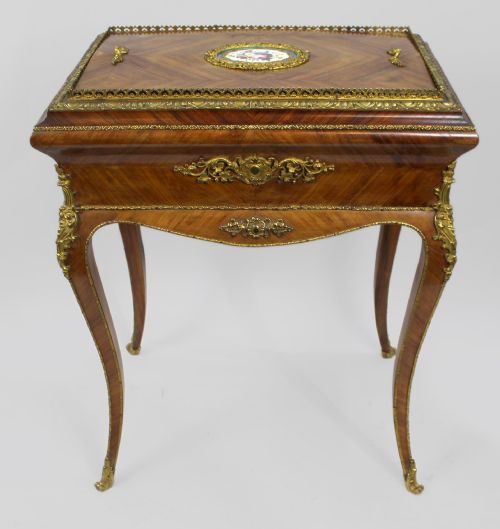
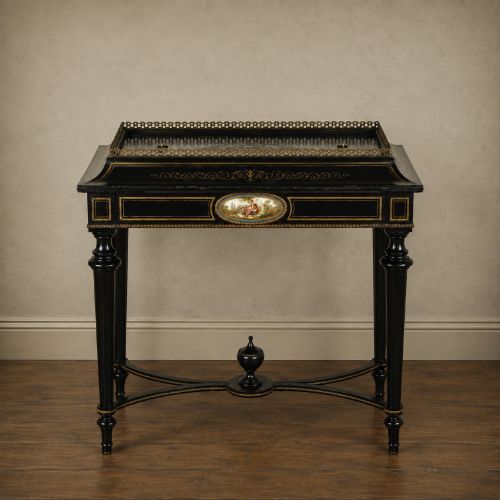
Buyers will encounter items featuring porcelain plaques, cane work, or marble tops alongside the primary wooden structures. They serve both functional planting purposes and decorative roles within period interiors.
What varies in quality
The standard of a French wood jardiniere depends on the precision of the marquetry and the crispness of the wood carving. Fine examples display carefully matched veneers and robust timber joints that hold up the weight of wet soil and plants.
Quality also shows in the metalwork, where finely chased ormolu or heavy brass mounts demonstrate superior foundry skill compared to plain stamped metal. The inclusion of hand-painted porcelain plaques or inset marble tops elevates the refinement of the piece.
French Wood Jardiniere Retail Price Guide 2026
Typical asking prices for french wood jardiniere among the pieces listed under this phrase on Sellingantiques today, from the lower quarter to the upper quarter. They describe what is for sale here now, not the wider market.
Some nineteenth-century makers hid botanical secrets in plain sight, crafting stands sturdy enough to support heavy ferns yet dainty enough to fool the eye.
The French Wood Jardiniere Glossary
- Jardiniere
- An ornamental pot or stand for holding plants or flowers. These vessels sit on tables or stand independently on the floor.
- Kingwood
- A dense, heavy timber with rich violet-brown colouring and dark figuring, often used for fine veneer work. Cabinet-makers favoured it for high-status French furniture.
- Ormolu
- Gilded bronze mounted onto furniture and decorative objects. The technique involves applying a gold amalgam to cast bronze before heating.
- Ebonised wood
- Timber treated to resemble ebony through staining or painting. This dark finish provides a stark contrast against metal mounts and porcelain plaques.
- Napoleon III
- A nineteenth-century French design style encompassing revivals of earlier monarchical aesthetics alongside eclectic flourishes. It heavily influences many pieces from this period.
French Wood Jardiniere: Frequently Asked Questions
What is a french wood jardiniere?
A French wood jardiniere is an ornamental container made from timber, designed to hold plants and flowers inside the home. These items range from tabletop bowls to tall stands with built-in liners.
They appear in various nineteenth-century and early twentieth-century styles, incorporating materials like brass, ormolu, and porcelain.
How were jardinieres used historically?
Historically, these pieces held potted plants to bring living greenery into formal reception rooms and parlours. The wooden vessels typically contained metal liners to catch water and protect the timber structure.
Some designs doubled as occasional tables or display stands, combining horticulture with interior furnishing.
How do I date a wooden jardiniere?
Dating relies on examining the timber species, construction methods, and stylistic cues such as Napoleon III or Louis XV revival motifs. Nineteenth-century examples often feature hand-cut joints and distinct veneer choices like kingwood or walnut.
Associated materials like ormolu mounts and painted porcelain plaques also point to specific manufacturing decades.