



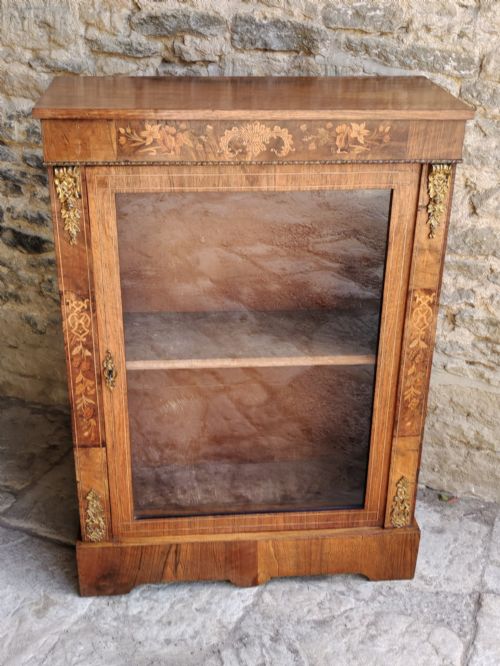

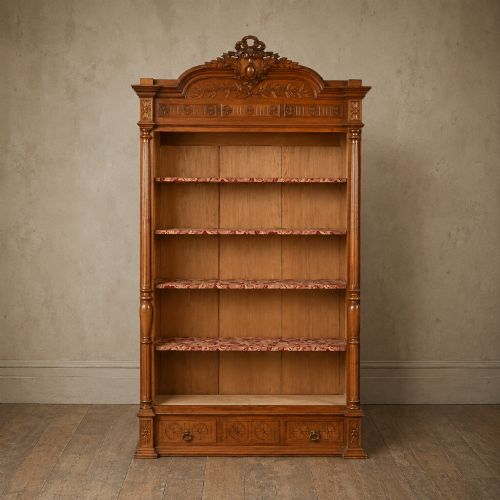
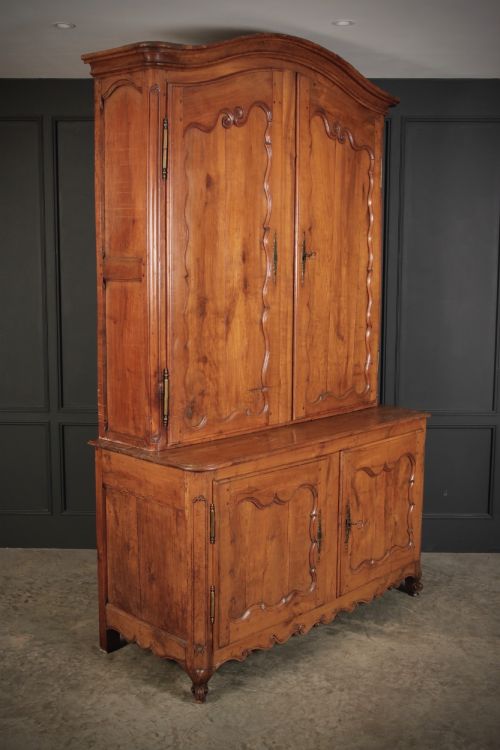
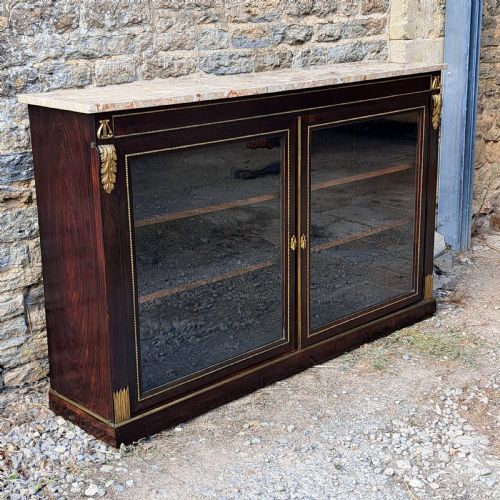

French Wood Bookcase
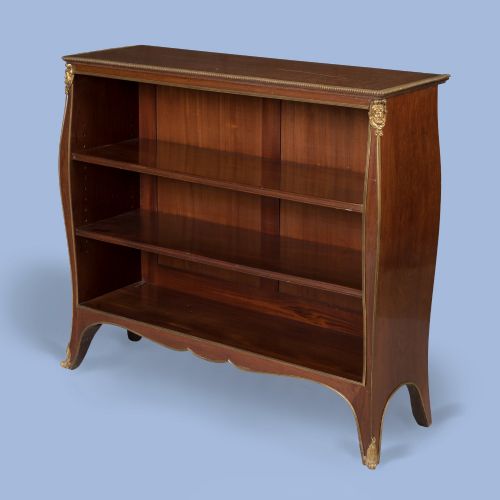
A french wood bookcase brings warmth and display space to a room, offering rich timber grains and traditional continental craftsmanship.
French Wood Bookcase
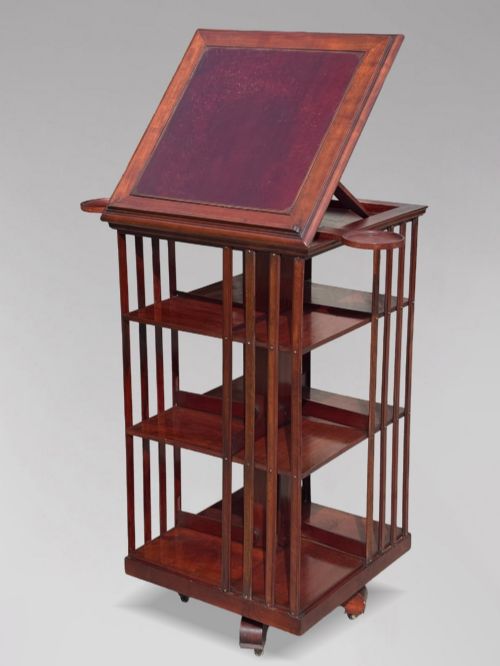
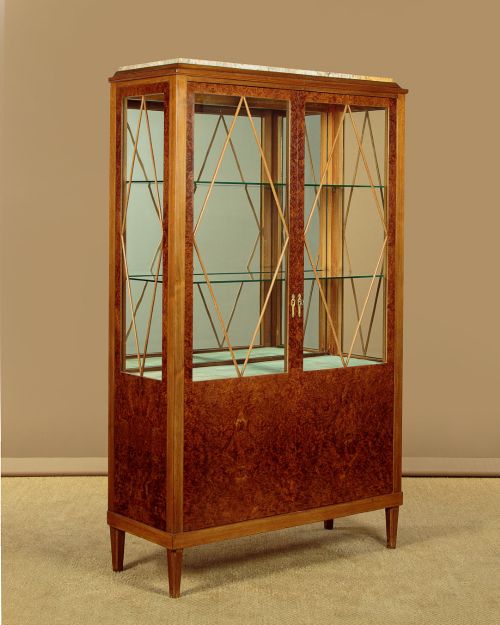
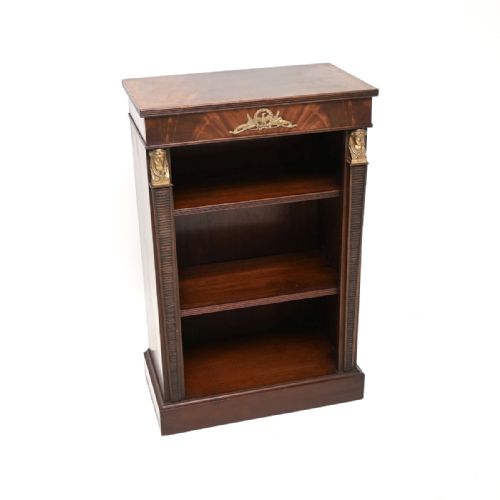
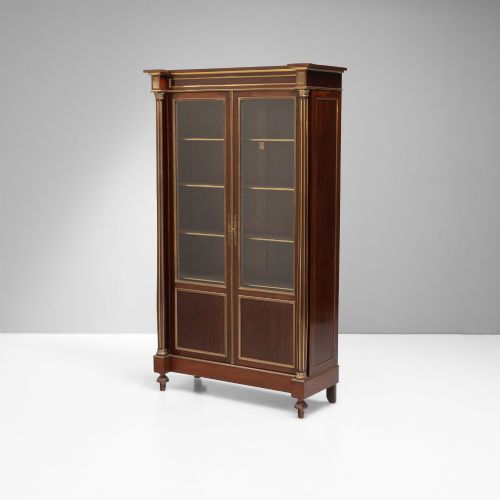
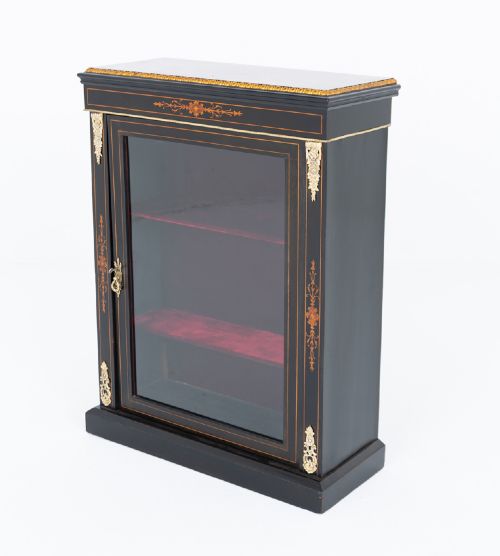
A french wood bookcase encompasses library storage, open wall shelves, glass-fronted vitrines, and revolving book holders originating from continental workshops.
The selections available lean heavily toward nineteenth-century mahogany, walnut, and kingwood examples reflecting empire, provincial, and rococo revival tastes.
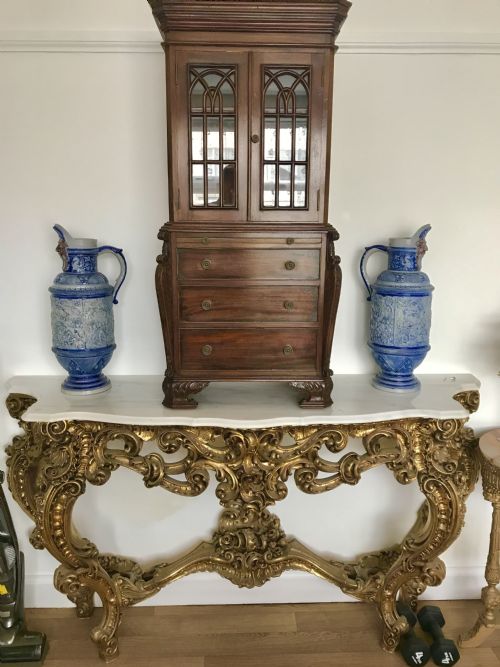
Buyers searching for a french wood bookcase will encounter tall library furniture alongside smaller display cabinets and wall-mounted shelving units.
Materials and construction
Cabinet makers utilised dense hardwoods including mahogany, walnut, kingwood, rosewood, and oak as the structural basis for these library pieces.
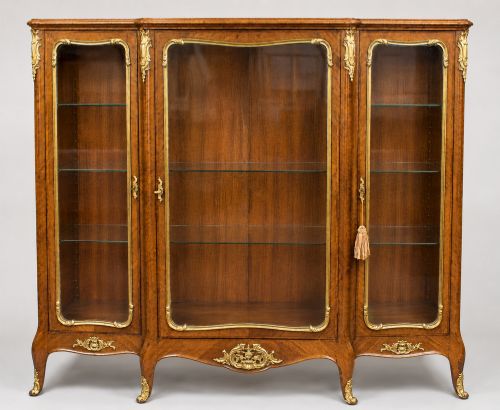
Many items incorporate cast ormolu mounts in brass alongside glazed doors, marble tops, and intricate marquetry or parquetry veneer work.
Surfaces frequently receive a traditional french polished finish to highlight the natural figuring of the timber.
French Wood Bookcase Retail Price Guide 2026
Typical asking prices for french wood bookcase among the pieces listed under this phrase on Sellingantiques today, from the lower quarter to the upper quarter. They describe what is for sale here now, not the wider market.
Listings feature woods such as mahogany, walnut, kingwood, amboyna, satinwood, and padouk across nineteenth and early twentieth-century periods.
Assessing the craftsmanship
Distinction in these pieces lies in the precision of the timber matching, the depth of hand-carved details, and the weight of the applied bronze or ormolu mounts.
Superior examples display balanced proportions, sound structural joinery, and well-preserved surface patination across the wood and metal components.
Gabriel Viardot·Paul Sormani·Victor Raulin
The French Wood Bookcase Glossary
- Ormolu
- Gilded bronze mounts cast and chased by hand to ornament furniture corners, friezes, and feet. This technique gained widespread use during the eighteenth and nineteenth centuries.
- Vitrine
- A glass-fronted display cabinet designed for holding porcelain, books, or curiosities. These pieces often feature glazed side panels to maximise light transmission.
- Kingwood
- A dense, richly figured exotic wood from the Dalbergia family, frequently employed as a veneer for cabinetwork. It displays deep brown and violet tones.
- Marquetry
- Decorative patterns formed by fitting together thin veneers of various woods, tinted materials, or shells. Artisans assemble these motifs to adorn cabinet doors and drawer fronts.
- Breakfront
- A piece of furniture featuring a central section that projects forward from the flanking wings. This architectural layout creates depth in large library bookcases.
French Wood Bookcase: Frequently Asked Questions
How do I care for a wood bookcase?
Keep the timber away from direct heat sources and strong sunlight to prevent the veneer from drying or cracking over time. Apply a microcrystalline wax occasionally to maintain the surface sheen.
Dust the carved details and ormolu mounts gently with a soft, dry brush to avoid scratching the finish or accumulating grime in the recesses.
Can I adjust the shelf heights?
Many nineteenth-century library pieces feature fixed wooden shelves integrated directly into the structural partitions. Some specific designs incorporate adjustable bracket systems for flexible storage.
Check the internal configuration before purchase if you plan to house books of varying heights.
What is an ormolu mount?
Ormolu refers to gilded bronze applied to furniture as decorative hardware, protecting corners and accentuating structural lines. Artisans cast the bronze before chasing the surface by hand and applying gold leaf.
This technique adds weight and visual contrast against dark timbers like mahogany and walnut.
How do I distinguish regional styles?
Pieces attributed to provincial workshops often display simpler carved motifs and regional fruitwoods like cherry or oak. Formal urban items utilise exotic veneers, extensive marquetry, and gilt bronze.
Comparing the secondary woods on the interior backs and drawer linings helps confirm the origin.