



French Wood Block
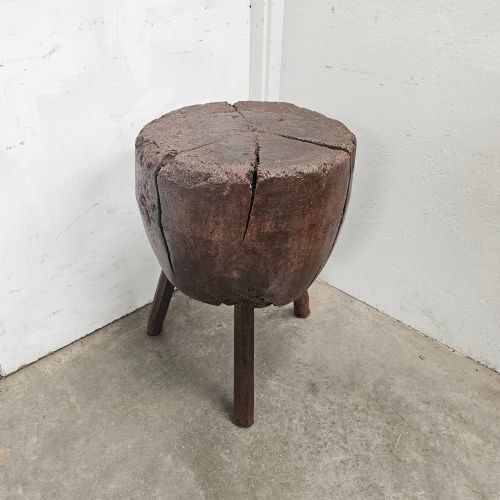
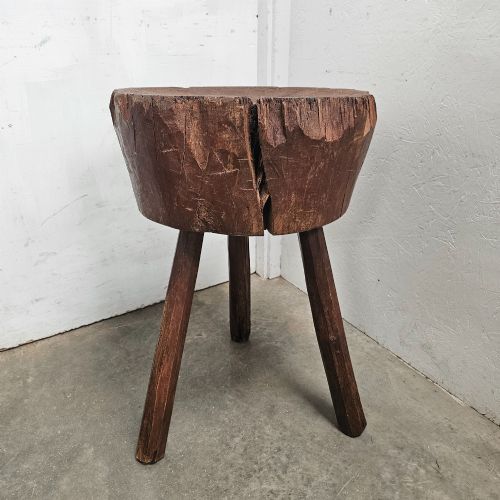
These french wood block pieces are heavy domestic and trade survivors in oak, beech, elm and fruitwood.
French Wood Block
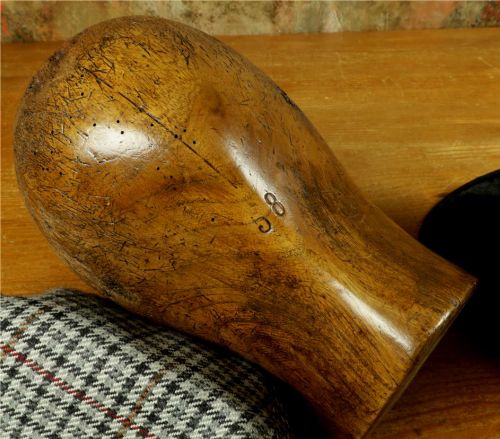
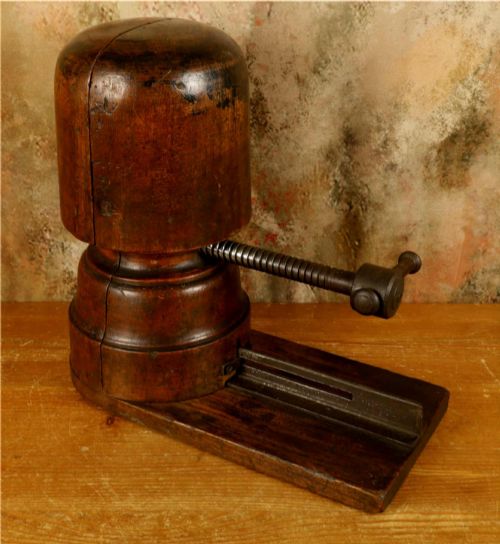
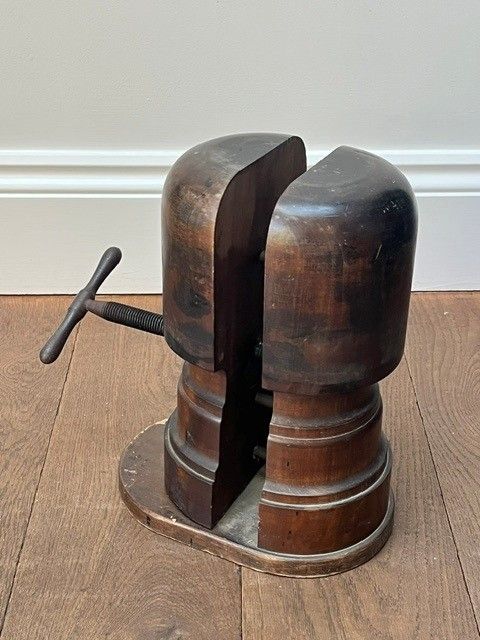
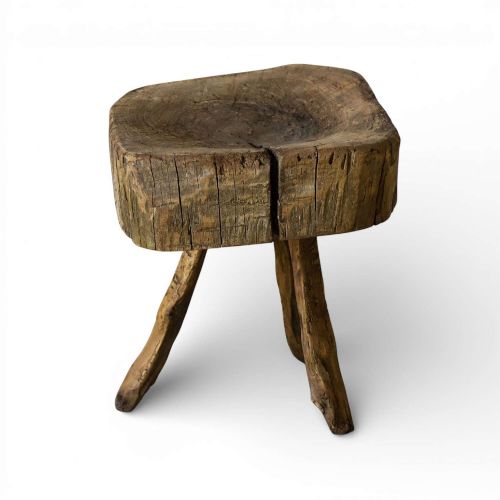
When you search for french wood block, you encounter sturdy trade equipment and domestic utility items from the nineteenth and early twentieth centuries. These pieces encompass heavy butchers blocks, primitive game blocks, and millinery hat stretchers or display stands. Most examples hail from rural settings, showing the honest marks of daily use in kitchens, games rooms, and workshops.
The assortment on this page leans heavily towards vernacular rural and provincial styles, reflecting practical craftsmanship rather than courtly luxury. You find substantial chopping blocks resting on original gnarled legs or trestle bases, alongside specialised fruitwood hat forms. Oak, beech, and elm predominate, shaped for enduring utility.
How they were made
These pieces rely on dense hardwoods such as oak, beech, elm, and fruitwood, chosen for their resilience against heavy impact and regular wear. Makers constructed butchers and game blocks with thick sections of timber bound together, sometimes reinforced with iron or bronzed mounts to maintain structural integrity under force.
Turning and joinery techniques define the millinery equipment and tables, utilising fruitwood and sycamore for smooth, clean surfaces. Stands and trestles employ robust pegged joints and original wooden or iron supports designed to bear substantial weight without shifting.
French Wood Block Retail Price Guide 2026
Typical asking prices for french wood block among the pieces listed under this phrase on Sellingantiques today, from the lower quarter to the upper quarter. They describe what is for sale here now, not the wider market.
Listings feature items spanning the nineteenth century up to nineteen-twenty, constructed from oak, beech, elm, fruitwood, and iron.
What varies in quality
Quality in these utilitarian objects rests upon the integrity of the original timber and the retention of honest, untouched surfaces. Pieces that retain their original gnarled legs, height, and mounting hardware stand apart from altered or heavily sanitized examples.
The depth of the grain patination and the evidence of genuine period labour distinguish finer specimens. A well-preserved maker stamp or structural mount also elevates an individual piece above anonymous workshop production.
Trussant & Cie·Hennes France
The French Wood Block Glossary
- Game Block
- A heavy timber block historically used for preparing game in rural households. These pieces often feature thick sections of beech or oak bearing deep surface marks.
- Millinery Block
- A wooden form used by hatters to shape and display headwear. They are typically turned from fruitwood with smooth contours.
- Provincial Style
- Furniture and utility items made in the regions outside Paris. This style prioritizes sturdy local hardwoods and straightforward construction over ornate decoration.
- Vernacular Rural
- Objects shaped by local tradition and everyday utility rather than formal academic design. These pieces utilise readily available materials like elm and scrubbed sycamore.
French Wood Block: Frequently Asked Questions
What is a french wood block used for?
These blocks served diverse practical functions in trade and domestic life, ranging from heavy meat preparation to millinery and game dressing. Their dense hardwood construction made them ideal for enduring repetitive pounding and slicing.
Today, collectors repurpose butchers blocks as kitchen islands and use hat blocks as sculptural decorative objects. Their robust utility translates well into modern interiors seeking authentic historical character.
How do I date a french wood block?
Dating relies on assessing the timber, tool marks, construction methods, and any associated maker stamps or metal mounts. Nineteenth-century pieces typically exhibit hand-cut joinery and heavy wear patterns from iron tools.
Later pieces from around nineteen-twenty may feature standardised hardware or branded maker plaques. Comparing the species of wood, such as scrubbed sycamore or fruitwood, also helps place the piece within its historical period.
Are these blocks suitable for modern kitchens?
Many buyers utilise antique butchers blocks as functional kitchen islands or preparation surfaces. Their thick wooden tops provide a durable workspace that accommodates daily culinary tasks.
Care involves maintaining the natural timber with appropriate food-safe oils rather than harsh chemical finishes. The original legs and structural mounts ensure stability on modern flooring.
What woods were used for these pieces?
French makers selected dense domestic hardwoods capable of withstanding heavy impact and moisture. Oak, beech, and elm appear frequently in chopping and game blocks due to their tough grain structure.
Fruitwood and sycamore were preferred for hat stretchers and display stands because they could be turned smoothly on a lathe. Each timber species ages differently, developing distinct surface patinas over decades of use.