





French Wall Shelf
A french wall shelf brings vertical display space and continental charm to a room, ranging from carved oak ledges to gilded console tables.
French Wall Shelf
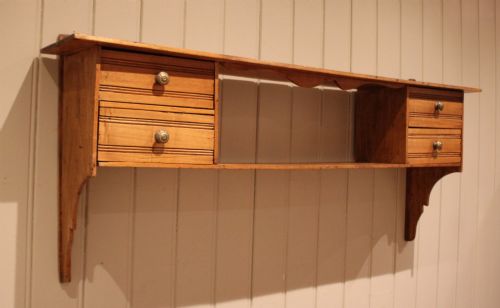
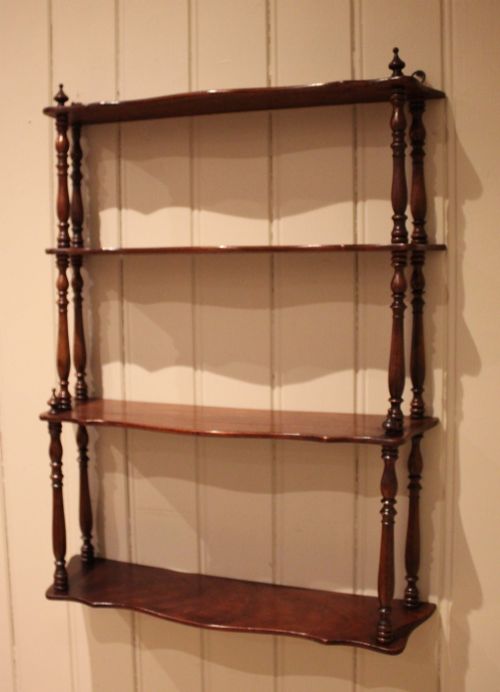
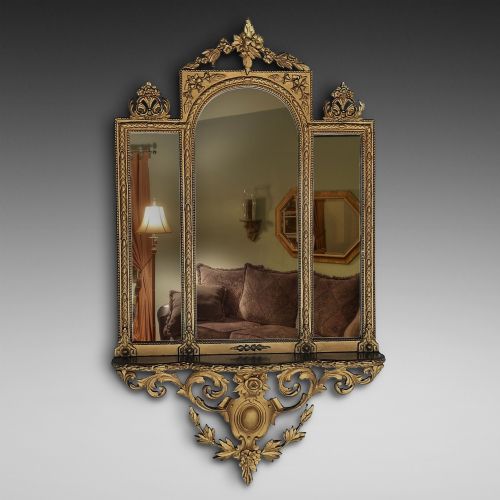
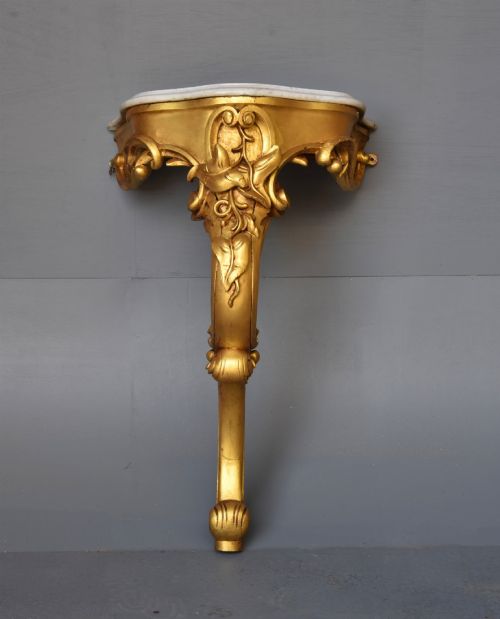
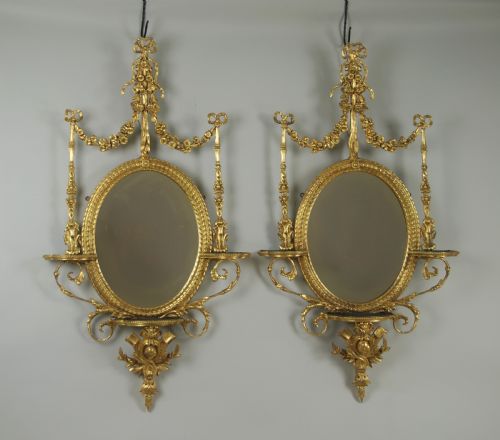
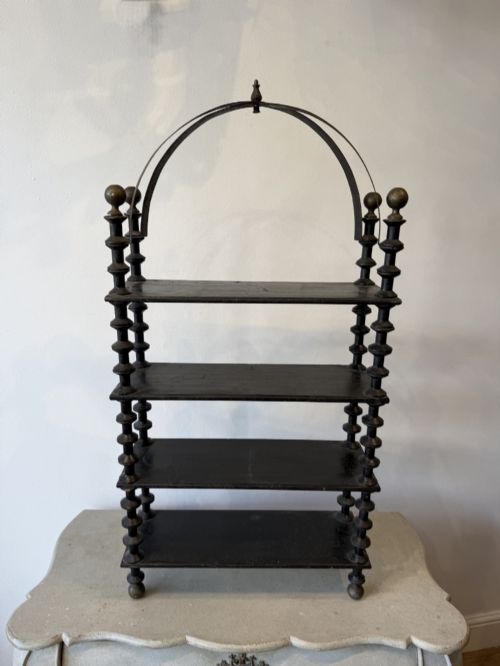
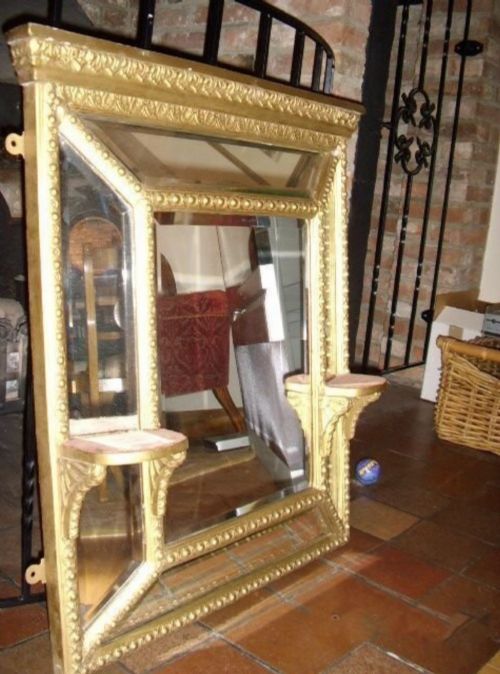
A french wall shelf provides functional surface area while preserving floor space, taking forms such as wall brackets, étagères, and hanging bookcases. These pieces frequently incorporate display ledges or mirror glass, serving both decorative and practical roles in an interior.
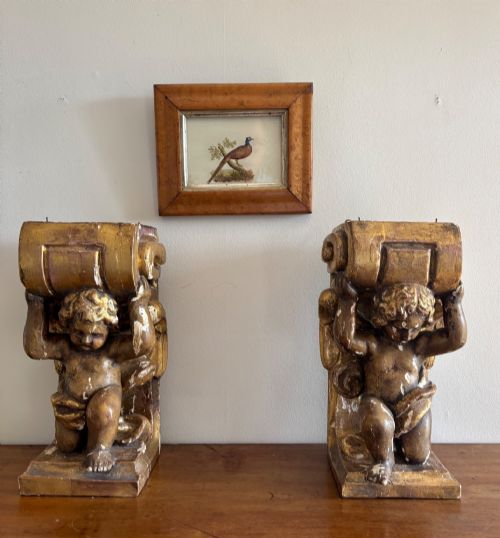
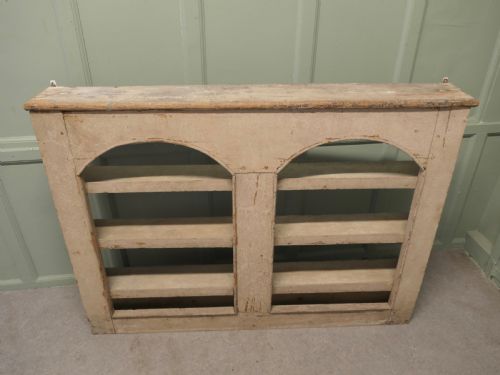
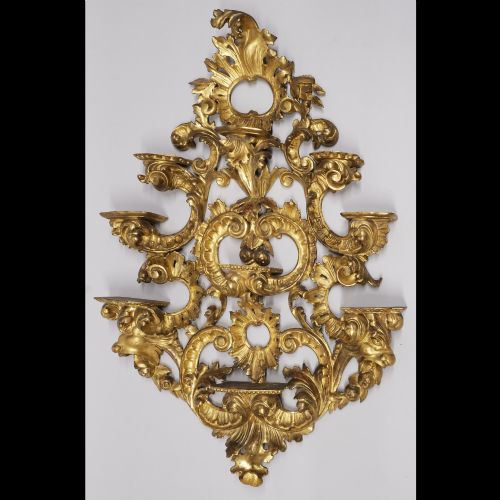
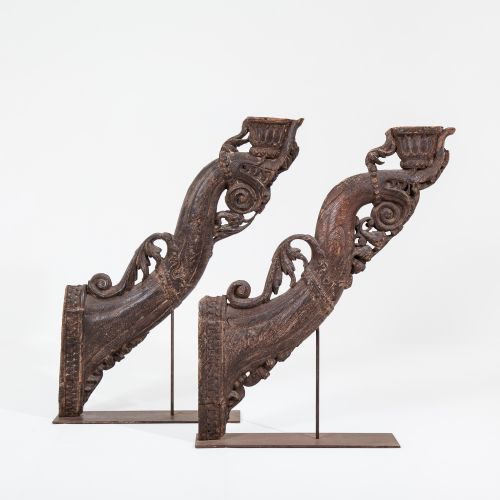
The selection ranges from robust oak and walnut designs to lighter painted or giltwood pieces styled after rococo revival and provincial aesthetics. Buyers encounter everything from simple multi-tier shelving to elaborate architectural brackets and console tables.
How They Were Made
Cabinetmakers utilised solid timbers including oak, walnut, pine, beech, and cherry, frequently shaping the wood through carving or turning. Painted and gilded finishes, applied over gesso, give many examples their characteristic decorative surface.
Metal elements such as brass, ormolu, iron, and chrome appear alongside mirror glass and marble tops. Blacksmith-made hooks and structural brackets ensure stability for wall mounting.
French Wall Shelf Retail Price Guide 2026
Typical asking prices for french wall shelf among the pieces listed under this phrase on Sellingantiques today, from the lower quarter to the upper quarter. They describe what is for sale here now, not the wider market.
Materials across the selection include giltwood, gesso, brass, mirror glass, carved wood, gold leaf, marble, and iron.
What Varies in Quality
The depth of hand-carving and the crispness of applied gesso define the visual distinction between standard production and superior craftsmanship. Finer examples display meticulous joinery and balanced proportions, particularly in complex architectural brackets and multi-tiered étagères.
The integrity of original surface treatments, whether aged gilding, painted finishes, or patinated timber, substantially influences the character of the piece. Integrated materials like bevel-cut mirror glass, marble inserts, and original brass or ceramic ornamentation indicate higher execution.
The French Wall Shelf Glossary
- Giltwood
- Wood that has been coated with gold leaf. This finish appears frequently on decorative brackets and mirrors.
- Gesso
- A plaster-like mixture applied to wood as a base for painting or gilding. It allows for intricate moulded ornamentation.
- Étagère
- A piece of furniture consisting of a set of open shelves for displaying small objects. These hanging display units range from two to multiple tiers.
- Corbel
- A structural piece of stone, wood, or metal jutting from a wall to carry a superincumbent weight. In wall shelving, these support projecting ledges.
- Ormolu
- Gilded bronze applied to furniture mounts and decorative accents. It provides metallic contrast against wood and ceramic surfaces.
French Wall Shelf: Frequently Asked Questions
How were french wall shelves used?
These pieces served practical storage and display functions in domestic interiors, holding books, porcelain, and decorative ornaments. Versions fitted with hooks additionally functioned as coat racks or hat holders in hallways.
Heavier console tables and brackets provided sturdy ledges for ornamental objects, while mirrored designs reflected light into smaller rooms.
How do I secure a wall shelf safely?
Wall-mounted furniture requires secure fixings matched to the weight of the timber and the specific wall construction. Substantial oak and marble-topped pieces need proper structural anchor points.
Professional installation is recommended for heavy giltwood brackets and large multi-tier shelving units to ensure stability.
How do I tell periods apart?
Earlier pieces from the eighteenth and early nineteenth centuries often exhibit hand-carved solid timbers and traditional joinery. Later nineteenth-century items frequently embrace revival styles with elaborate gesso and gilt decoration.
Twentieth-century examples introduce alternative materials like chrome and iron, reflecting art deco and industrial design influences.
What woods were commonly used?
Oak and walnut predominate in substantial provincial shelving, offering durability and pronounced grain patterns. Lighter woods such as pine, beech, and cherry appear frequently in painted or polished formats.
Gilt and painted pieces often conceal the underlying timber beneath layers of gesso and decorative finishes.