





French Vanity Casket
These French vanity caskets are ornate receptacles for jewellery, scent bottles and small treasures, combining polished metal frames with bevelled glass or hand-painted porcelain.
French Vanity Casket
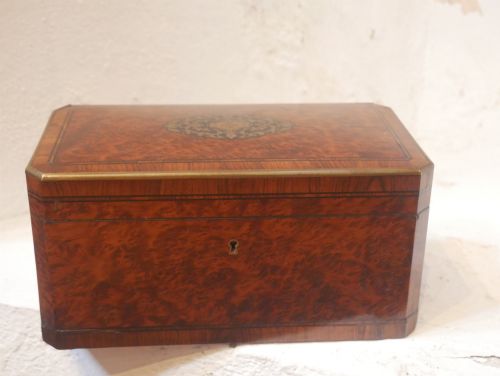
Makers housed these vessels in varied frameworks including cast brass, gilt bronze and carved fruitwood such as amboyna and kingwood. Interiors often lined with silk cradle delicate items, while exterior surfaces display hand-painted porcelain, enamel or cut crystal.
The aesthetic vocabulary draws upon Napoleon III, French Rococo Revival and Belle Epoque styles, reflecting elite European taste of the period. These pieces served both a functional role in daily grooming and a decorative purpose in period interiors.
How they were made
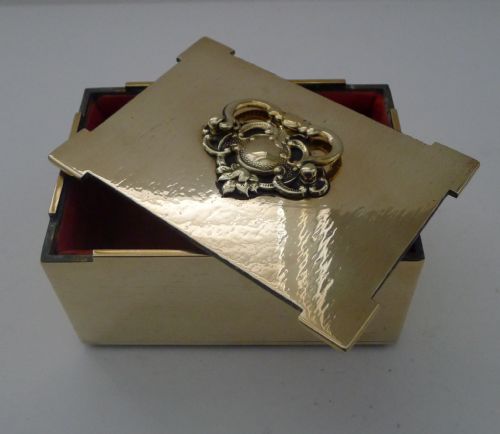
Artisans constructed the structural frames of these caskets using cast brass, gilded copper electro-form, or ormolu mounts to secure glass and porcelain panels. Metalwork components frequently feature chased detailing, scrollwork, or applied coronets and eagles.
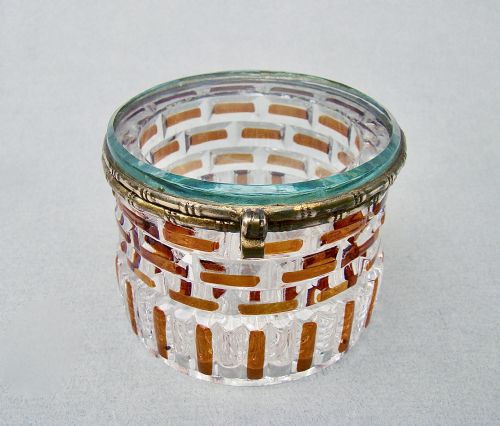
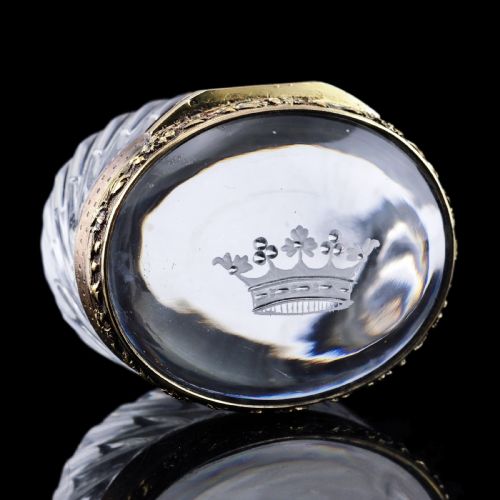
Glass elements rely on heavy-walled crystal and Baccarat production, sometimes incorporating amber or cobalt blue colouration alongside precise cutting and wheel-engraving. Porcelain panels and round boxes utilise hand-painted botanical or figurative motifs paired with gilt detailing.
French Vanity Casket Retail Price Guide 2026
Typical asking prices for french vanity casket among the pieces listed under this phrase on Sellingantiques today, from the lower quarter to the upper quarter. They describe what is for sale here now, not the wider market.
Listings feature pieces from the Victorian era alongside specific French periods including Napoleon III, Belle Epoque, and the Second Empire.
What varies in quality
The standard of a french vanity casket depends heavily on the weight and crispness of the metal casting, alongside the clarity and depth of the cut crystal. Heavier gilt bronze and ormolu mounts with sharply defined chasing indicate superior workshop output compared to lighter brass alternatives.
The presence of original fitted interiors, such as intact silk linings and matching sets of Baccarat perfume bottles, distinguishes finer examples. Furthermore, hand-painted porcelain panels with delicate brushwork and rich enamel execution elevate the overall execution of the piece.
Tahan Paris·L. Dujat
The French Vanity Casket Glossary
- Ormolu
- A gilded bronze technique used extensively for decorative mounts on nineteenth-century French furniture and caskets. This process involves applying a mercury and gold amalgam to bronze.
- Baccarat
- A renowned French glassworks producing high-clarity crystal vessels and perfume bottles found within luxury caskets. Their output is celebrated for its weight and precise facet cutting.
- Sevres
- A historic French porcelain manufactory known for producing fine soft-paste and hard-paste porcelain decorated with rich colours and gilding. Pieces often feature distinct cobalt blue grounds.
- Kingwood
- A dense, richly figured timber native to Brazil utilised by cabinetmakers for luxury decorative boxes during the nineteenth century. Its characteristic dark violet-brown grain with lighter stripes offers a striking visual surface.
- Charles X
- A decorative style spanning the early nineteenth century defined by refined neoclassical proportions and elegant wood veneers before the heavier Victorian revivals took hold.
French Vanity Casket: Frequently Asked Questions
What were french vanity caskets used for?
These caskets served primarily on dressing tables to hold personal valuables, rings, necklaces and small grooming accessories. Many housed dedicated glass perfume bottles or scent flasks within fitted compartments.
Their presence in the boudoir signalled status and personal refinement, keeping delicate cosmetic items protected yet immediately accessible during daily routines.
How do I date a nineteenth century casket?
Dating relies on identifying stylistic markers such as Napoleon III revival motifs, Charles X veneer choices, or Belle Epoque glass production techniques. Maker marks, where present on locks or bases, provide the most direct chronological evidence.
Materials also offer clues, as electro-formed copper and specific Baccarat glass cuts align with distinct decades in the latter half of the nineteenth century.
Are interior silk linings usually original?
Original silk linings are frequently worn or replaced due to the fragile nature of textiles over more than a century. Surviving original fabric often shows fading or fraying where jewellery rested against the base.
When a casket retains its fitted velvet or silk interior, it adds significantly to the historical integrity of the piece.
How should I clean glass and metal caskets?
Maintenance requires gentle dusting with a soft, dry cloth to protect delicate gilt surfaces and historic bronze patination. Moisture should be kept away from silk interiors and painted porcelain panels.
Glass components can be cleaned sparingly with a damp cloth, taking care not to let liquids seep into the surrounding metal frames or adhesives.