



French Twin Sconces
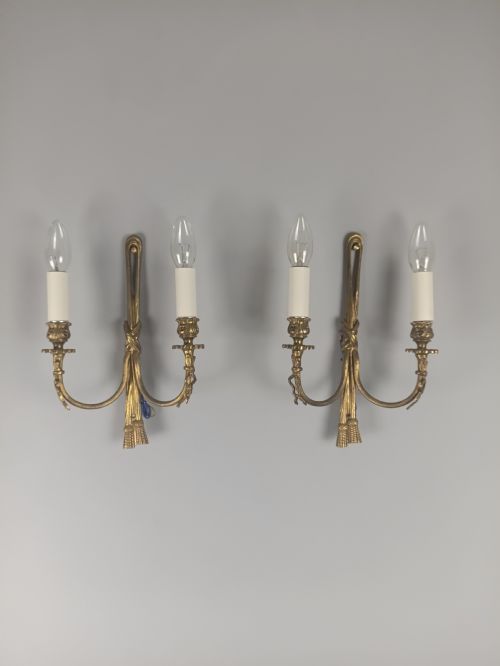
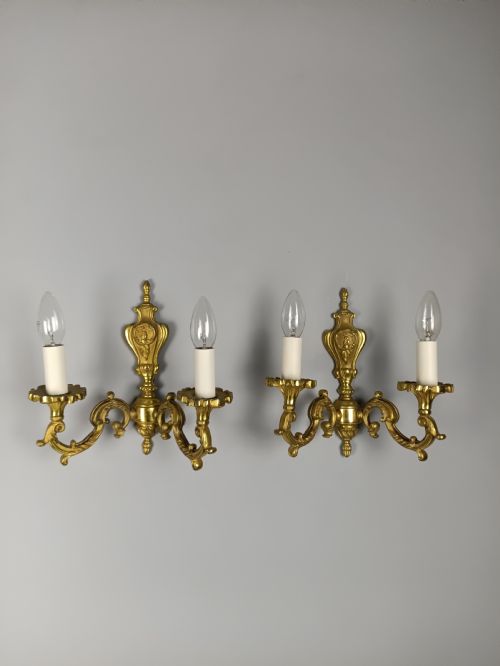
French twin sconces bring warmth and formal illumination to walls, combining cast metals and classical motifs in pairs designed for symmetry.
French Twin Sconces
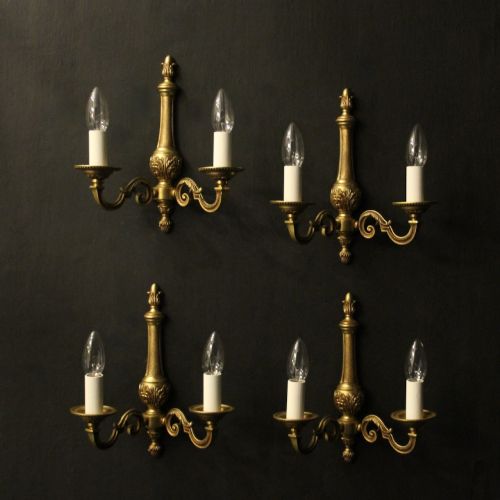
When searching for french twin sconces, buyers encounter lighting fixtures designed for wall mounting with two distinct arms branching from a central backplate. These pieces originate predominantly from the nineteenth and early twentieth centuries, spanning periods from the Victorian era through the nineteen-thirties.
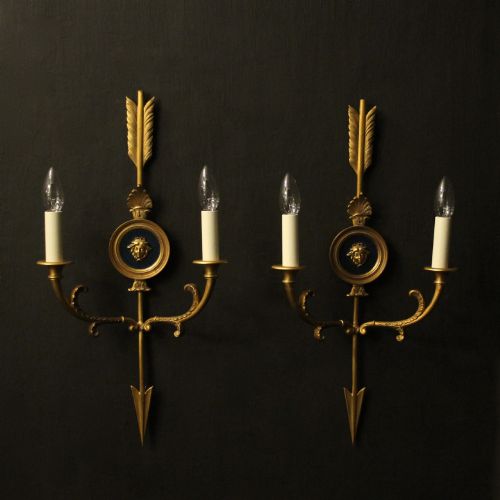
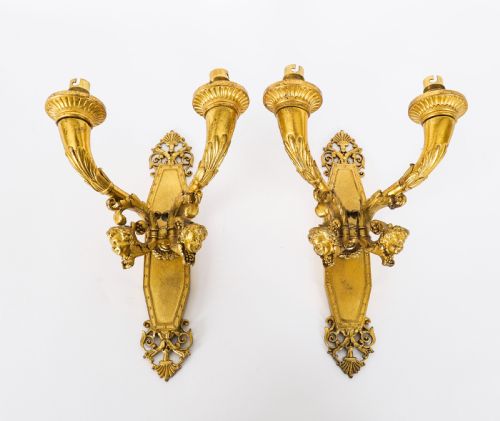
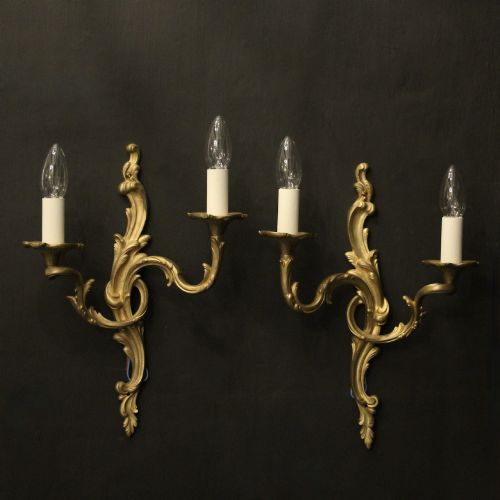
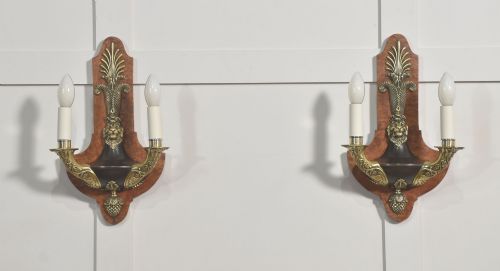
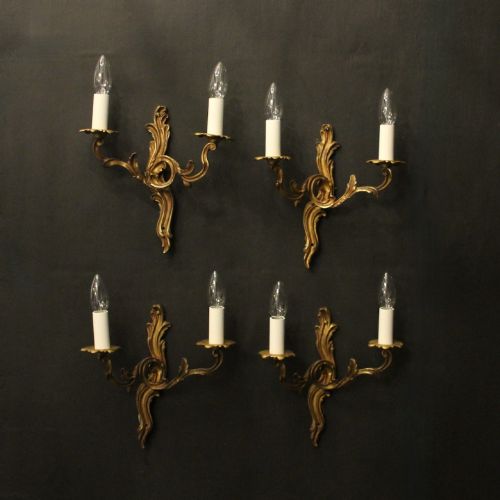
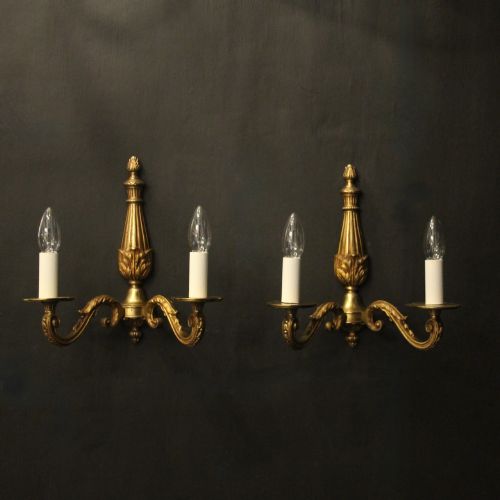
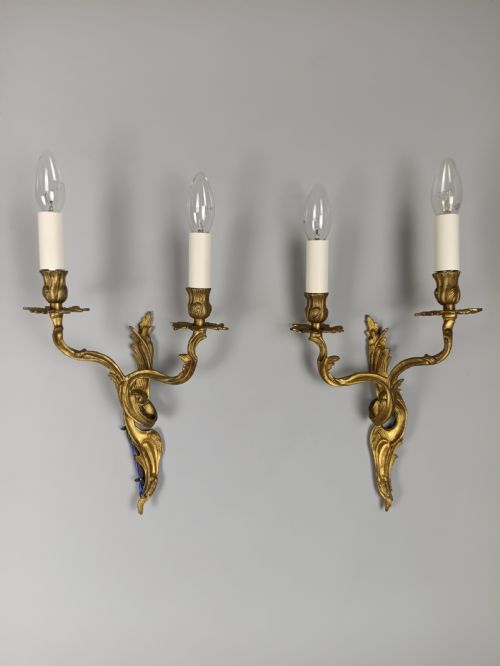
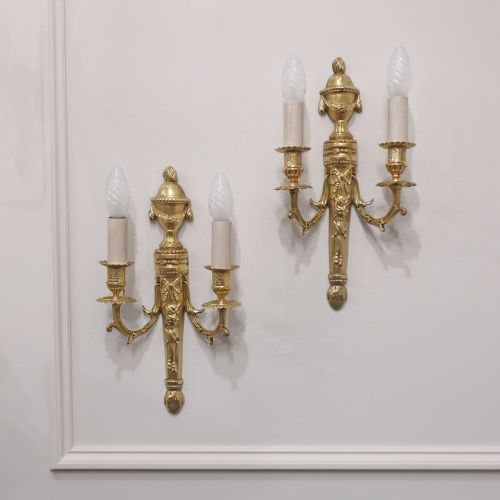
The most common examples on this page are twentieth-century productions from the nineteen-twenties and nineteen-thirties, frequently rendered in gilded brass or bronze. Alongside these, nineteenth-century interpretations appear in styles ranging from Rococo Revival and Neoclassical to Empire.
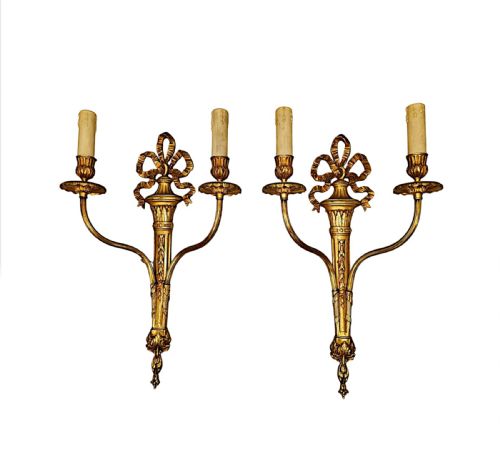
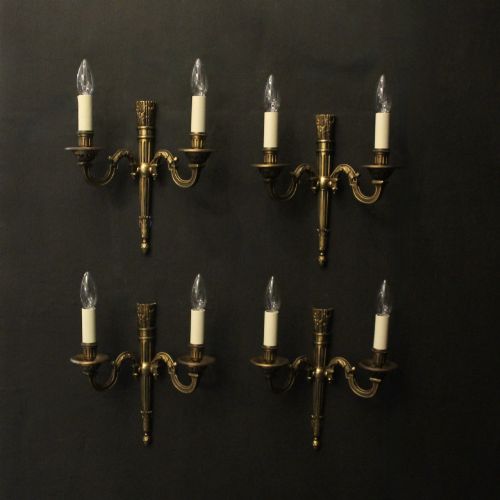
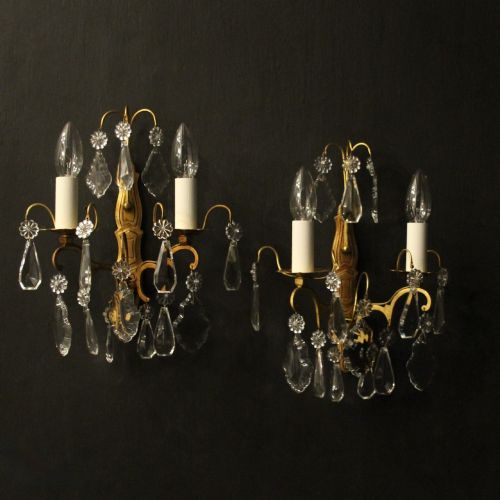
Formats vary from standard two-branch wall lights to convex half lanterns, girandoles, and ribbon-crested designs. Most items emerge from French workshops, though occasional pieces reflect Italian or English adaptations of the same continental vocabulary.
Materials and construction methods
Construction relies heavily on cast and chased brass, bronze, and ormolu, often finished with layers of gilding or silvering. Metal components are cast in sections, then assembled to create backplates and scrolling twin arms that support candle or bulb holders.
Secondary elements incorporate glass crystals, mirrors in girandoles, burr walnut timber, and vitreous enamel accents. These varied materials are joined mechanically with threaded screws and pins, reflecting traditional metalworking techniques of the period.
French Twin Sconces Retail Price Guide 2026
Typical asking prices for french twin sconces among the pieces listed under this phrase on Sellingantiques today, from the lower quarter to the upper quarter. They describe what is for sale here now, not the wider market.
Listings span the nineteenth century and the early decades of the twentieth century, with a strong concentration around nineteen-thirty.
Assessing quality and craftsmanship
Quality in these lighting fixtures is determined by the crispness of the metal casting and the depth of the chasing work on foliage, ribbons, and scrollwork. Finer examples show sharp relief and hand-finished detailing rather than soft, mass-produced contours.
The choice of gilding and the weight of the base metal also separate standard production from superior work. Heavier bronze castings with durable mercurial or fire gilding retain their lustre better than thinner brass alternatives.
Casier
The French Twin Sconces Glossary
- Ormolu
- Gilded bronze, where a layer of gold amalgam is applied to a bronze base and heated to drive off the mercury. This technique produces a durable, rich metallic finish characteristic of high-end French metalwork.
- Girandole
- A branched wall light incorporating a mirror on the backplate to reflect and amplify the light. These fixtures often feature crystal pendants to catch the illumination.
- Rococo Revival
- A nineteenth-century design style mimicking the asymmetrical curves, C-scrolls, and naturalistic shell motifs of the mid-eighteenth century. It appears frequently on ornate wall sconces.
- Empire Style
- A neoclassical design movement originating during the Napoleonic era, defined by symmetry, military trophies, anthemia, and classical restraint. Sconces in this style draw heavily on ancient Greek and Roman forms.
French Twin Sconces: Frequently Asked Questions
How do I install antique wall lights?
Wiring methods vary, as many period fixtures arrive with historical internal components or require rewiring to meet modern electrical standards. Professional installation by a qualified electrician is recommended to secure the backplate safely to wall studs.
Weight distribution matters significantly with heavier cast bronze and crystal models. Ensure the mounting surface can support the load of the specific fixture.
Were these originally for candles or electricity?
Most examples from the nineteenth century were manufactured for wax candles and later converted to accept electrical wiring. Twentieth-century pieces frequently date from the era when electricity was becoming standard in domestic interiors.
Converted items retain their original bobeches and drip pans beneath the bulb holders. These retain the historic silhouette while accommodating modern lighting.
How do I clean gilded bronze sconces?
Dusting gently with a soft, dry brush prevents the accumulation of grime in the recessed chasing of the metal. Avoid abrasive cloths, chemical polishes, or water, which can strip thin gilding from brass and bronze surfaces.
Preserving the original surface patina maintains the character of the piece. Gentle care ensures the metal finish remains stable over time.
How do I distinguish Rococo from Empire styles?
Rococo wall lights feature asymmetrical curves, scrolling foliage, and organic motifs that create a sense of fluid movement. These designs prioritize ornate decoration and irregular shapes.
Empire sconces rely on strict symmetry, geometric balance, and classical architectural elements such as columns and urns. The visual vocabulary is orderly and restrained compared to Rococo exuberance.