

French Timepiece Clock
A French timepiece clock brings precision mechanics and decorative metalwork together in a compact form designed for daily use.
French Timepiece Clock
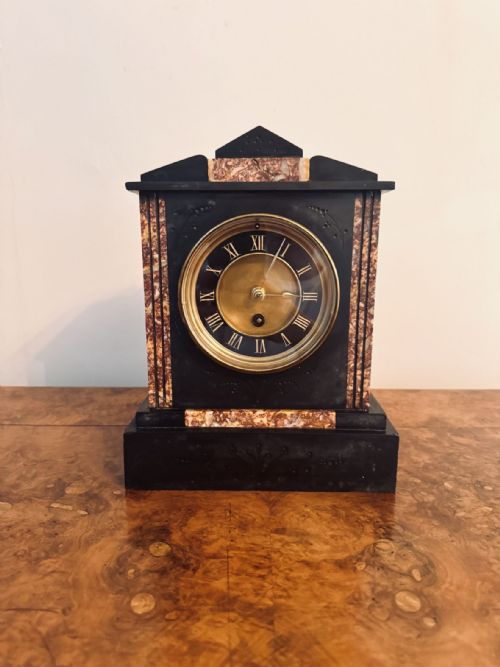
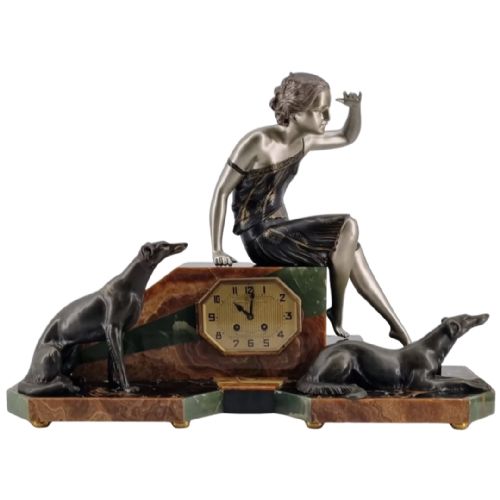
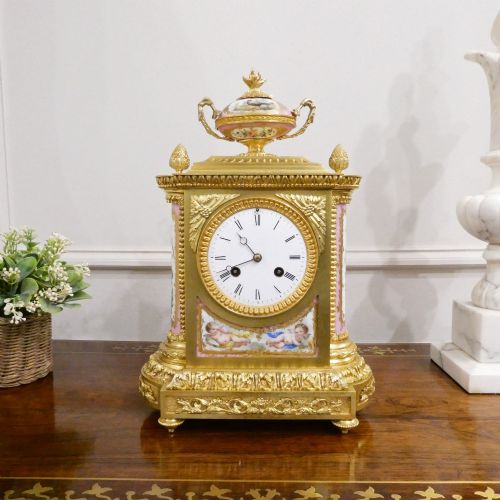
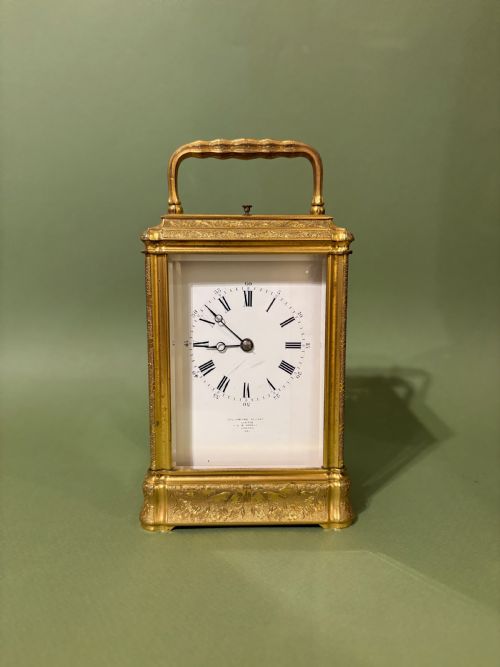
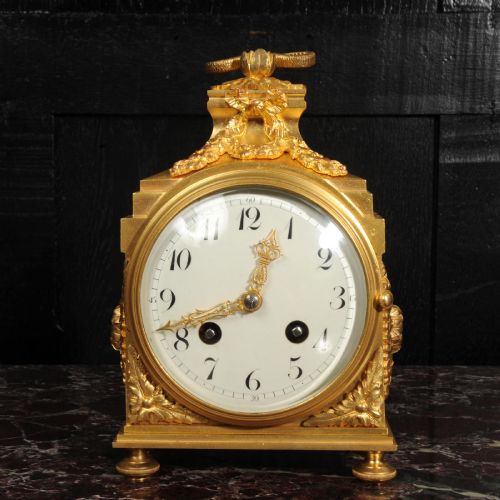
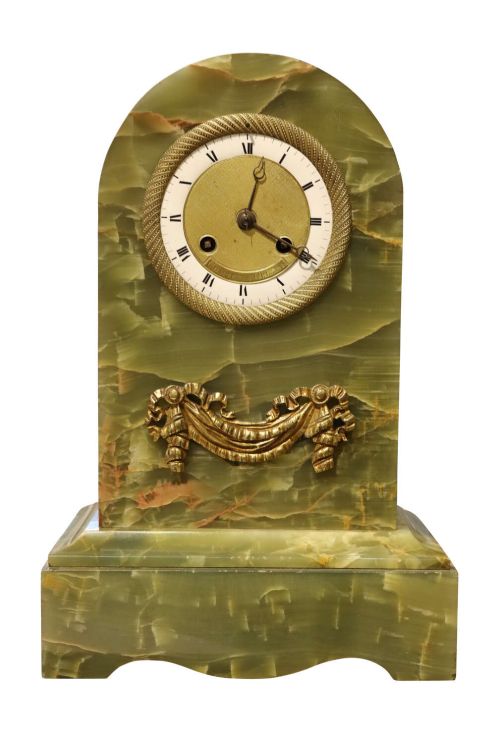
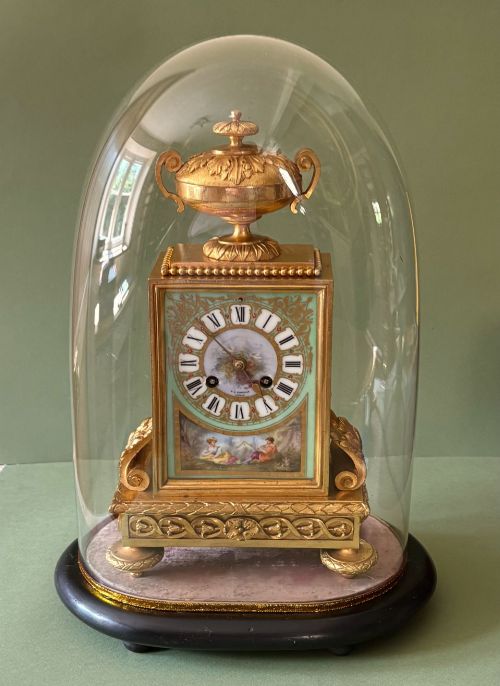
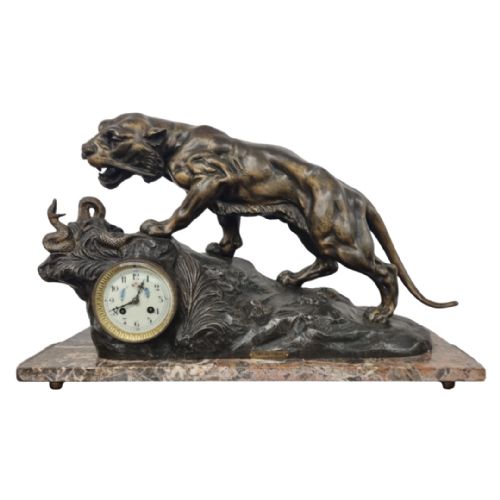
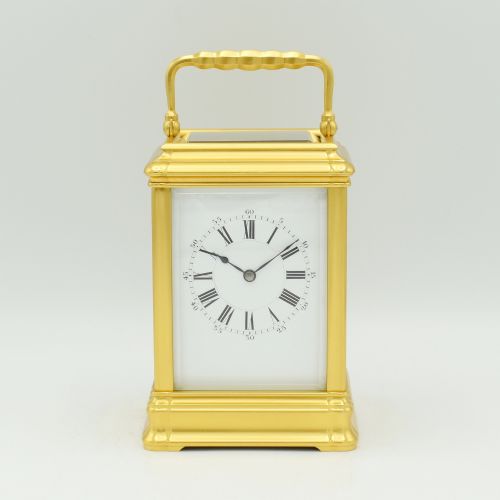
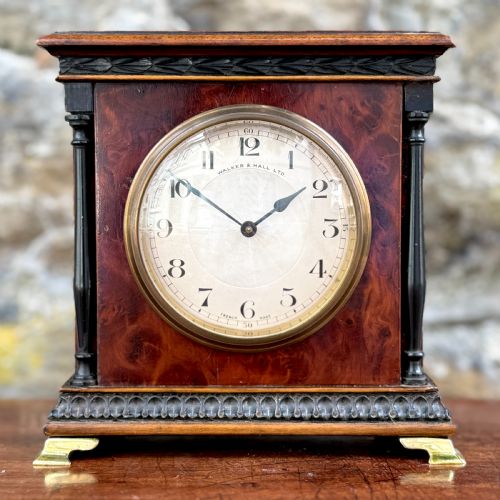
A french timepiece clock encompasses portable brass carriage designs alongside substantial marble and ormolu mantel pieces originating from the nineteenth and early twentieth centuries. These objects served domestic utility and salon display across various European interiors.
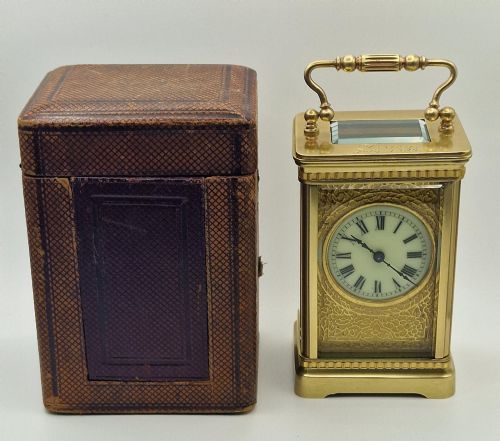
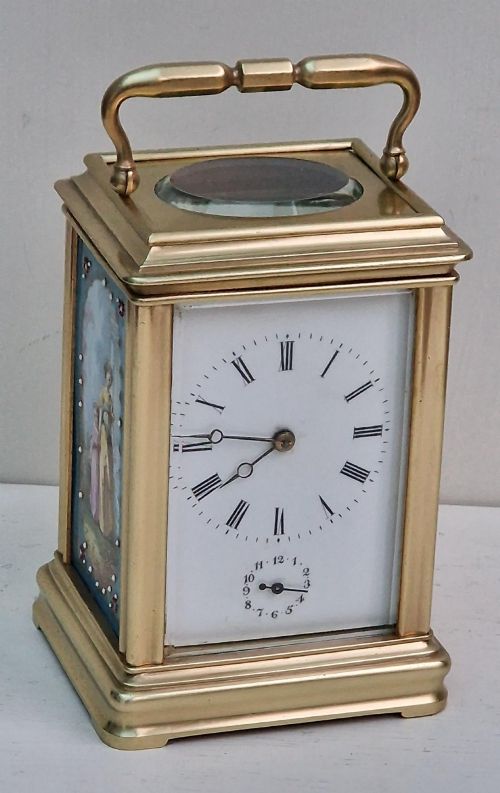
The carriage clock dominates the selection on this page, frequently housed in glass-panelled brass cases with enamel dials. Mantel versions in bronze, porcelain, and patinated metals also appear regularly.
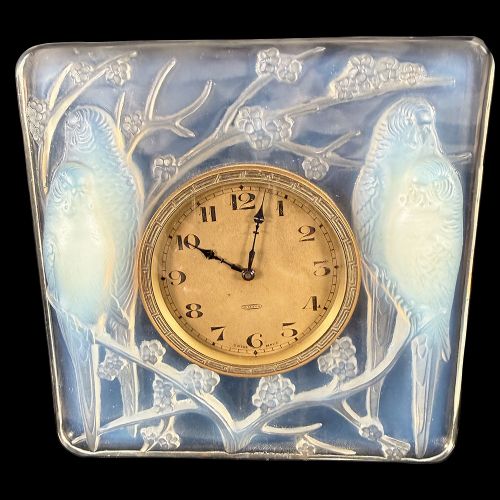
Makers and retailers from London and Paris, including Henri Jacot and Drocourt, stamped their movements and cases during the Victorian and Edwardian eras. Later examples stretch into Art Deco bakelite and glass forms.
Materials and Construction
Foundry workers cast cases in brass, bronze, and ormolu, applying gilding and patination to achieve decorative surfaces. Cabinetmakers constructed timber housings in mahogany, rosewood, and walnut for specific mantel forms.
Clockmakers fitted gear trains into metal plates, integrating escapements and enamel dials with delicate hands. Glass panels were cut to fit brass carriage frames, allowing visual access to the moving components.
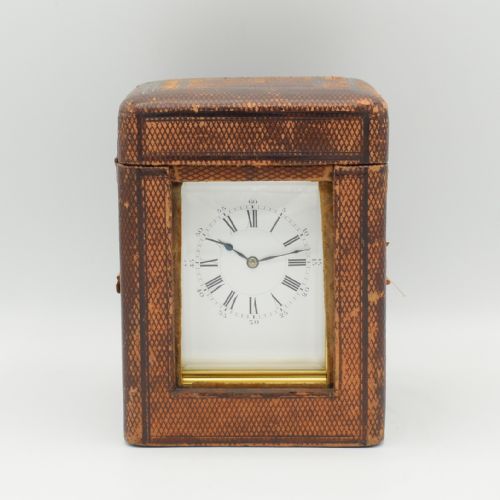
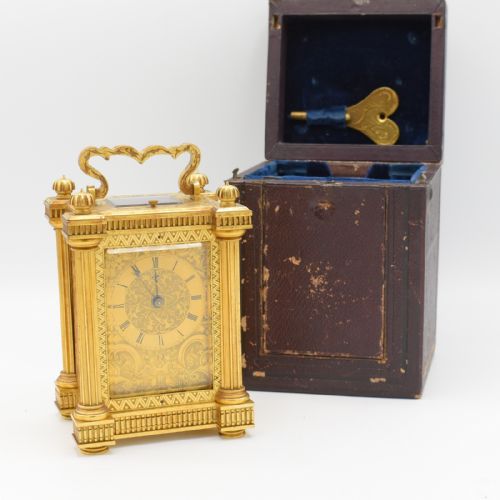
Certain carriage clocks travelled with their own fitted leather cases to endure the bumps of nineteenth-century stagecoach journeys.
Factors of Quality
The precision of the escapement and the crispness of the cast brass or ormolu ornament separate standard production items from workshop pieces. Maker signatures on the backplate indicate higher standards of clockmaking.
The condition of the enamel dial and the presence of the original leather travel case significantly influence the integrity of a surviving carriage clock.
Henri Jacot·Drocourt·Rene Lalique·Jaz
The French Timepiece Clock Glossary
- Carriage clock
- A portable spring-driven timepiece designed for travel, enclosed in a brass and glass case with a folding handle at the top.
- Ormolu
- Gilded bronze produced by applying a mercury-gold amalgam to cast metal and heating it to leave a gold layer.
- Escapement
- The mechanism inside a clock that controls the release of power from the mainspring to the gear train.
- Enamel dial
- A metal face coated with fused powdered glass, fired in a kiln, and painted with numerals.
French Timepiece Clock: Frequently Asked Questions
What is a French timepiece clock?
A French timepiece clock is a mechanical clock made in France, typically functioning as a portable carriage model or a stationary mantel ornament.
These items range from simple brass-cased travellers to decorative bronze pieces featuring enamel dials and refined escapements.
How do I wind my carriage clock?
Carriage clocks utilise a specific key inserted into arbors located on the underside or backplate of the movement. Turn the key gently until resistance indicates the mainspring is fully wound.
Avoid over-winding, as this strains the internal mechanism and can damage the tension of the spring.
How do I distinguish a carriage clock from a mantel clock?
Carriage clocks feature a rectangular brass and glass housing with a carrying handle on top and a visible escapement platform. Mantel clocks are heavier stationary objects cast in bronze, marble, or carved from wood.
Carriage clocks were built for portability, whereas mantel clocks were intended to remain static on a fireplace surround.
What periods do these clocks cover?
The available pieces span the nineteenth century through the early twentieth century, incorporating Victorian, Edwardian, and Art Deco designs.
Earlier nineteenth-century examples often feature ornate ormolu and marble, while later items embrace geometric bakelite and opalescent glass.