





French Tapestry Bench
A french tapestry bench brings classic European textiles and carved wood into your interior, offering portable seating with historic character.
French Tapestry Bench
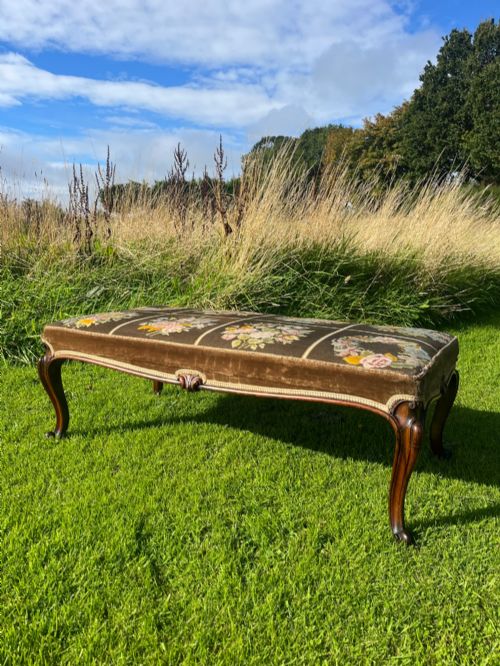
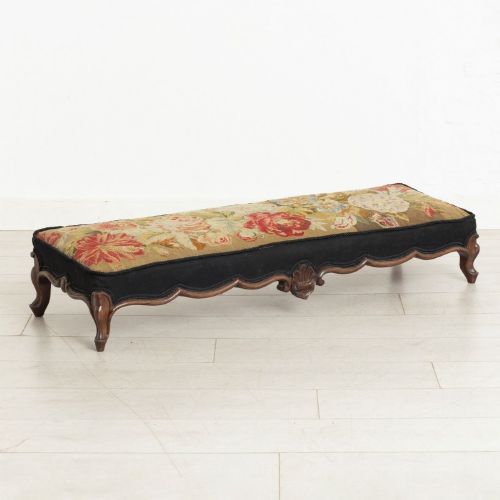
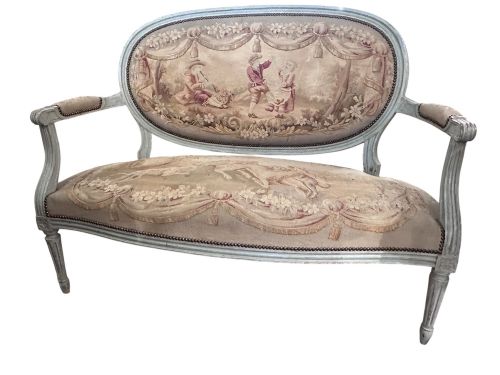
A french tapestry bench spans several distinct forms including low footstools, large settees, and central stools upholstered in patterned textiles. Buyers searching for a french tapestry bench often encounter pieces ranging from smaller Victorian footstools to grand Louis XIV and Louis XVI revival settees.
The materials recorded in these listings combine structural wood frames such as walnut, rosewood, and painted timber with decorative tapestry, velvet, and brass tacks. Many examples display distinct revival aesthetics, including Louis XV and Rococo Revival influences alongside French Provincial designs.
Origins stretch across the nineteenth century, including specific dates around eighteen-eighty and eighteen-fifty, alongside earlier eighteenth-century examples featuring antique upholstery. These items function equally as low footstools or statement canapés within a room.
How they were made
Makers constructed the structural frames of these pieces using solid hardwoods like walnut and rosewood, often applying gilding or paint to the timber surface. Artisans shaped cabriole legs and carved details into the wood to reflect specific historic periods.
Upholstery techniques combined heavy textiles such as tapestry and velvet fixed securely to the wooden frames using brass tacks. The textile surfaces feature woven designs that define the visual character of each stool or settee.
French Tapestry Bench Retail Price Guide 2026
Typical asking prices for french tapestry bench among the pieces listed under this phrase on Sellingantiques today, from the lower quarter to the upper quarter. They describe what is for sale here now, not the wider market.
Brass tacks hold the historic tapestry secure, quietly keeping centuries of woven scenes in place.
What varies in quality
The sophistication of the wood carving and the choice of frame material establish the primary tier of craftsmanship in these pieces. Gilt carved surfaces and dense hardwoods like walnut separate finer examples from simpler painted timbers.
The integrity and texture of the original fabric upholstery, whether woven tapestry or velvet secured with brass tacks, dictate the authenticity and preservation level of the seating.
The French Tapestry Bench Glossary
- Canapé
- A traditional French sofa or settee featuring an upholstered back and seat supported by exposed wooden legs. These pieces often display revival styles from the Louis periods.
- Cabriole leg
- A furniture leg that curves outward and then tapers inward, typically ending in a pad or scroll foot. This shape appears frequently on nineteenth-century stools and settees.
- Tapestry upholstery
- A heavy hand-woven or jacquard fabric applied to seating frames to provide decorative pictorial or floral surfaces. It forms the defining visual element of these benches.
- Revival style
- A design movement that imitates the aesthetic characteristics of earlier historic eras, such as Louis XIV or Louis XVI. Makers utilised these historical motifs to create fashionable nineteenth-century seating.
French Tapestry Bench: Frequently Asked Questions
What is a french tapestry bench?
A french tapestry bench is an antique seat upholstered in woven textile, encompassing forms from small footstools to large settees.
These pieces typically date from the nineteenth century and incorporate revival styles such as Louis XV and Rococo.
How do I identify the period?
Dating relies on stylistic clues like carved cabriole legs, gilt finishes, and the specific woven pattern of the tapestry upholstery.
Listings span the nineteenth century, with some examples tracing back to the eighteenth century through antique upholstery and timber framing.
Where were they used?
These benches and settees served as functional seating and decorative salon furniture in historic European homes.
Smaller footstools provided low seating or foot rests, while larger canapés functioned as principal sofas in reception rooms.
What materials are used?
Frames consist of solid woods including walnut, rosewood, and painted timber, sometimes enhanced with gilding.
Upholstery materials feature tapestry textiles and velvet, traditionally secured to the wooden structure with brass tacks.