
French Table Timepiece
A french table timepiece brings precision work and decorative bronze, marble or glass to a mantel or desk.
French Table Timepiece
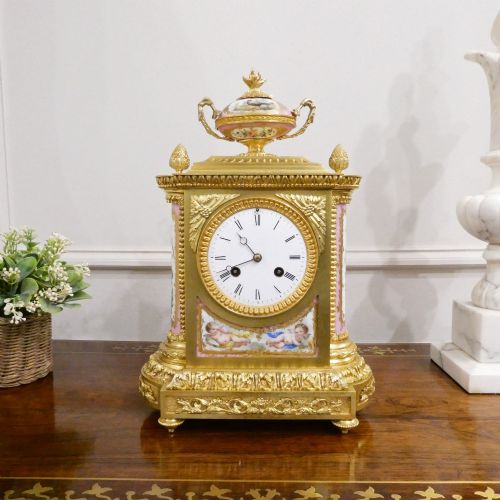
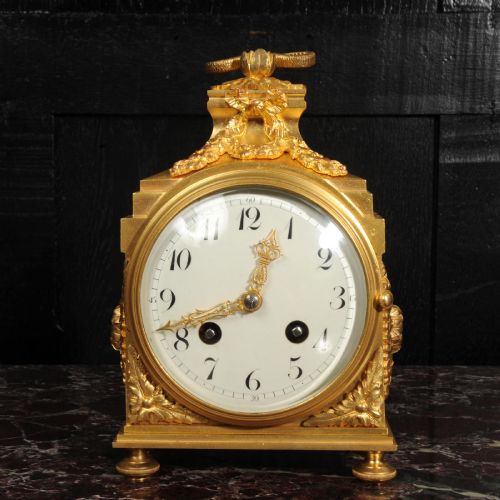
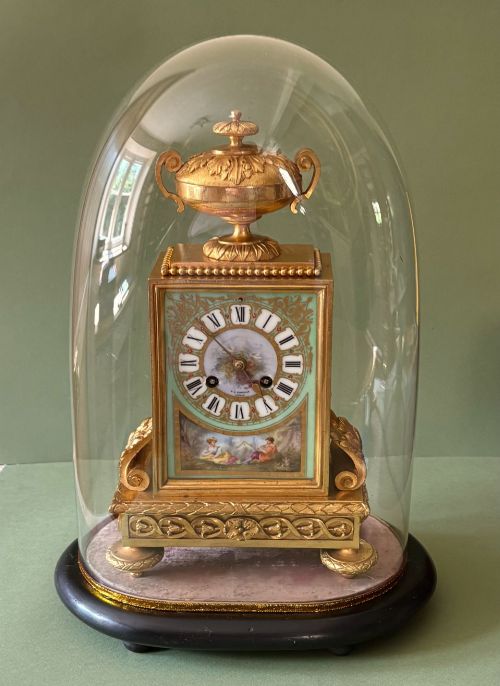
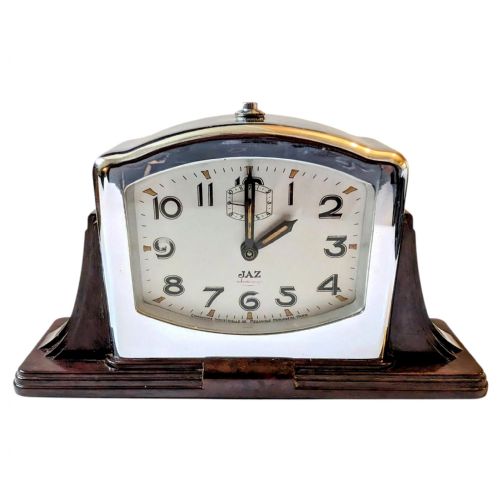
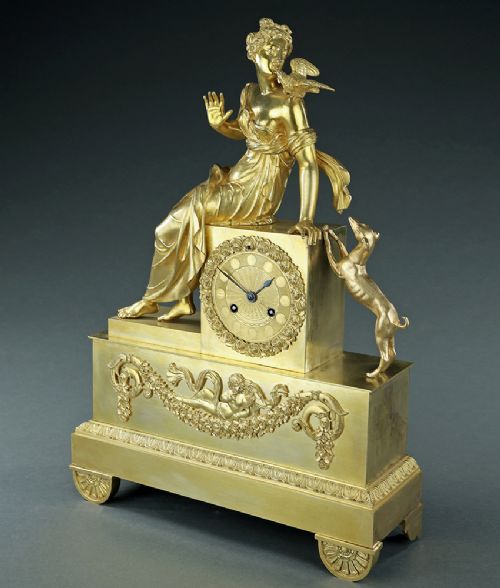
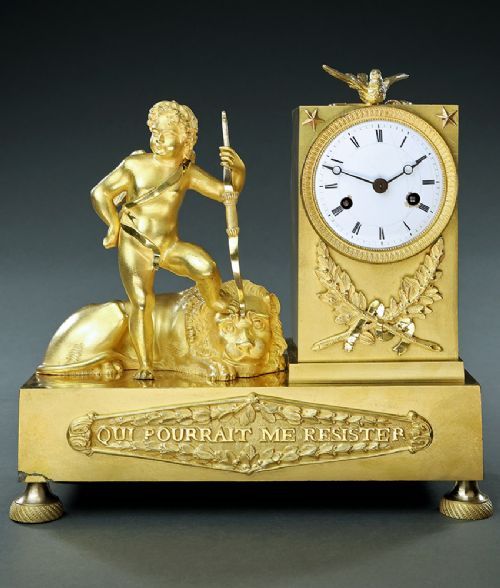
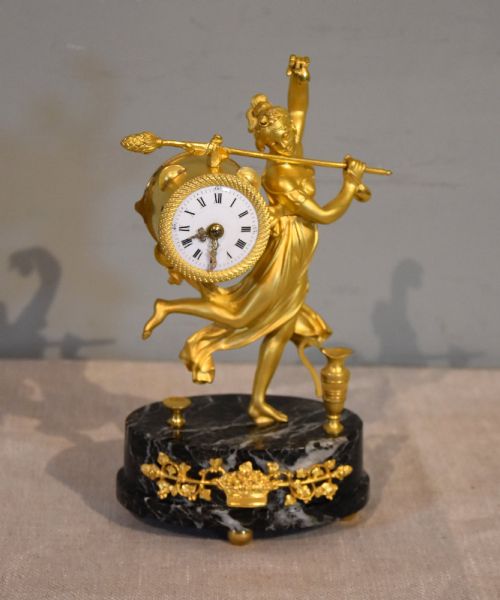
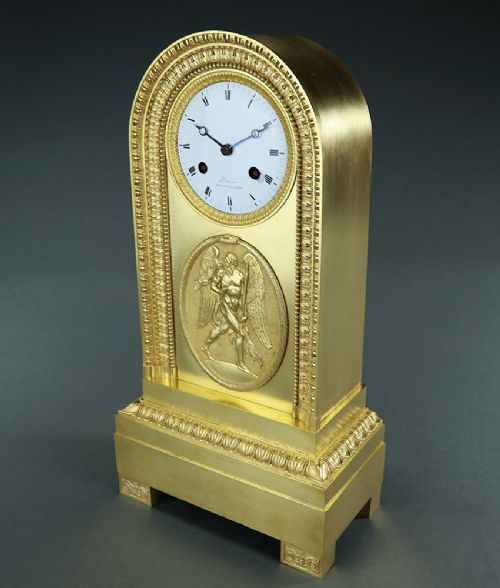
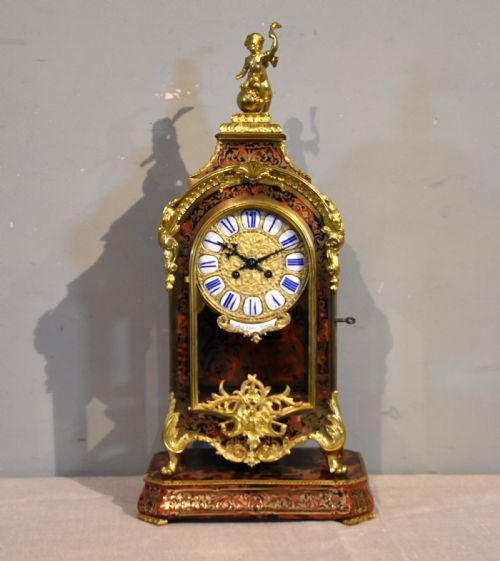
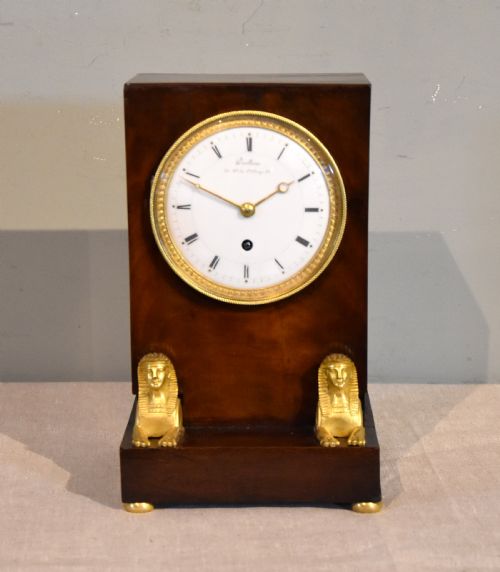
A french table timepiece sits on a flat surface to keep time, appearing most frequently in forms such as mantel clocks, carriage clocks, and desk clocks dating from the nineteenth and early twentieth centuries. These pieces reflect diverse aesthetics, including French Empire, French Rococo Revival, Art Deco, and Victorian styles.
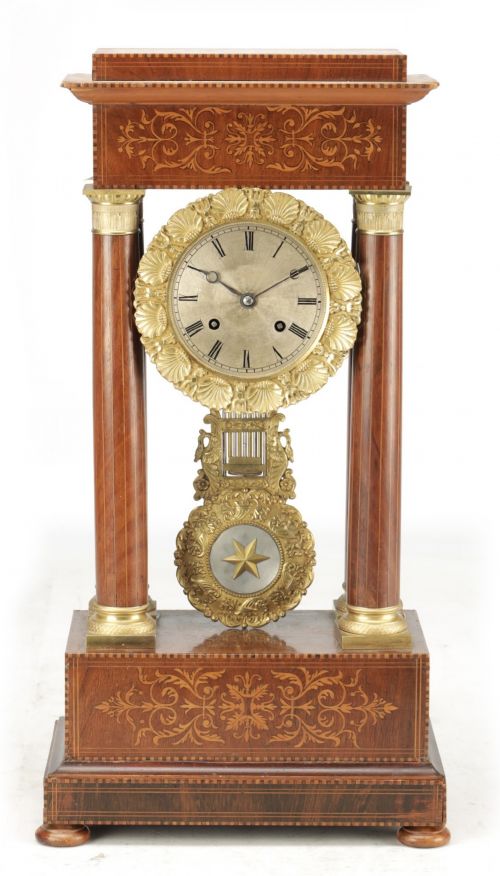
The objects span varied configurations, from brass carriage clocks housed in glass panels to portico clocks in mahogany or rosewood, alongside figural bronze and ormolu designs. Buyers encounter mechanisms ranging from standard dials to repeating carriage movements and electric skeleton systems.
Materials and construction
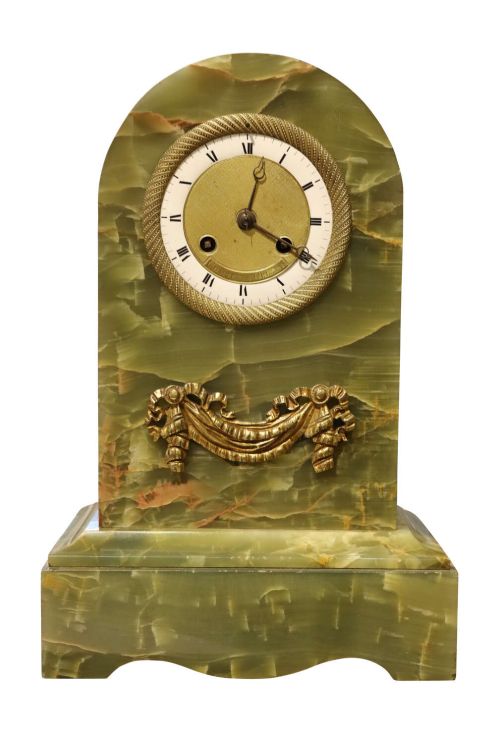
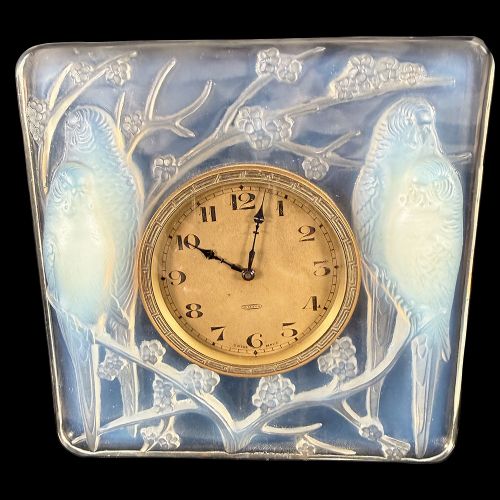
Horological makers combined cast metals such as brass, bronze, gilt bronze, and ormolu with natural stones like green marble, green onyx, and porcelain mounts. Cabinets utilised timber frames in rosewood, mahogany, and inlaid woods, while specialised pieces incorporated opalescent glass and Bakelite.
Movements relied on metal gear assemblies housed in fitted cases, often paired with enamel dials, painted faces, and fully engraved gilt brass framing. Decorative clocks integrated cast figural motifs depicting mythological or allegorical scenes alongside carved stone plinths.
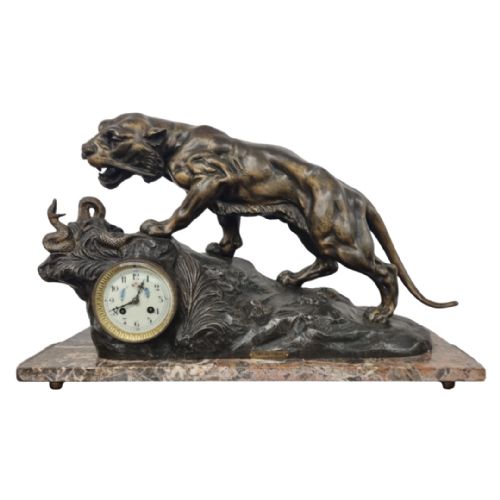
Several clocks depict unusual subjects, featuring tigers, serpents, elephants, and love birds alongside classical figures.
Assessing craftsmanship
Quality depends upon the crispness of the metal casting in ormolu and bronze elements, the depth of hand-engraving on carriage clock brass cases, and the selection of materials such as fine marbles or figured rosewood. Superior examples feature signed dials and intricate figural sculpture.
The precision of the mechanical movement and the preservation of original components dictate the standard of a piece. Finer items demonstrate careful integration of porcelain plaques, champleve enamel work, or specialised repeating mechanisms.
Charles a Orleans·R Varnier·Walker and Hall·R Lalique·Jaz·Maurice and Marcel Moulin Favre Bulle·Le Roy Paris·Viner London·Rodier·Antoine Redier·Philippes Paris
The French Table Timepiece Glossary
- Ormolu
- Gilded bronze produced by applying a mercury and gold amalgam to cast bronze. This technique creates a durable, bright golden finish found on nineteenth-century clock mounts.
- Carriage clock
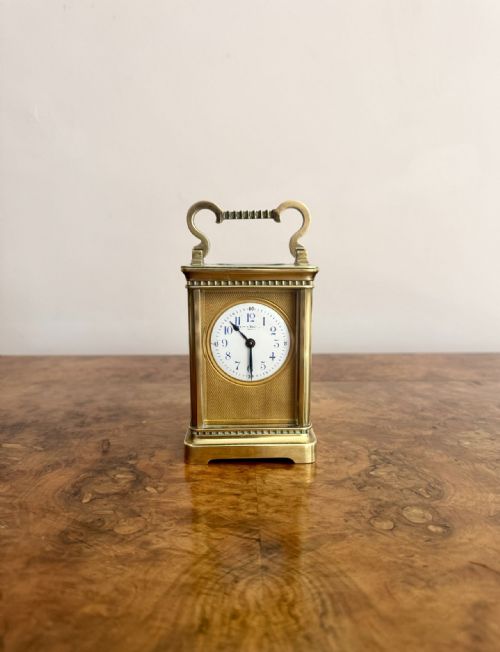
- A portable spring-driven timepiece fitted with a carrying handle and glass panels. These were originally designed for travel during the nineteenth century.
- Portico clock
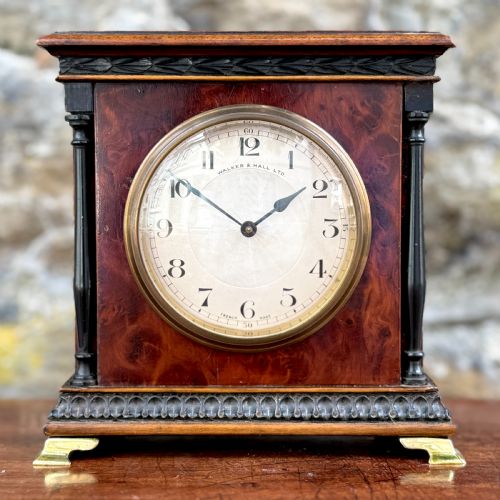
- A mantel clock styled with architectural columns supporting the movement housing. They frequently utilise mahogany or rosewood veneers.
- Champleve
- An enamelling technique where troughs or cells are hollowed out of a metal surface and filled with vitreous enamel. The piece is then fired and polished flat.
- Pendule d'Officier
- A military-style or campaign table clock from the French tradition. They typically feature robust brass or gilt cases with distinct carrying handles.
French Table Timepiece: Frequently Asked Questions
How do I wind a french table timepiece?
Most mechanical pieces utilise a matching winding key inserted into arbors on the dial face or back plate. Turn the key gently until resistance indicates the mainspring is fully wound.
Avoid overwinding the movement, as this places excessive tension on the internal spring and can damage the gear train.
What is the difference between a clock and a timepiece?
In horological terms, a timepiece indicates the hours and minutes without possessing a striking train or chiming mechanism. Clocks include additional gear trains to sound the hours or activate an alarm.
Many antique table designs function strictly as timepieces to maintain a quiet domestic environment.
Where should I place a carriage clock?
Carriage clocks suit stable horizontal surfaces such as mantelpieces, sideboards, or executive desks. Because they rely on a delicate escapement, they require a level platform to maintain an even beat.
Keep them away from direct sunlight, draughts, and damp areas to protect the gilt brass case and glass panels.
How do I care for marble clock cases?
Dust marble and onyx surfaces regularly with a soft, dry lint-free cloth. Avoid chemical polishes, abrasives, or excessive moisture, which can dull the stone or seep into joints.
Handle figural ormolu mounts carefully to preserve the gilding and prevent oils from skin marking the metal.